Blog

FTIR Analysis for Polymers and Plastics

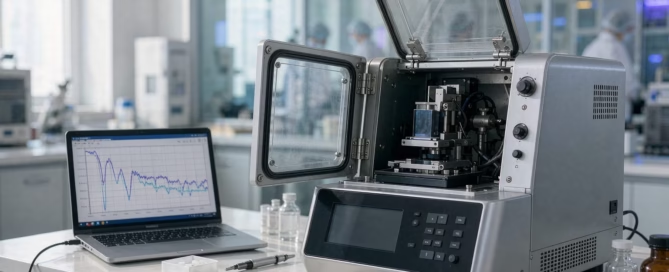
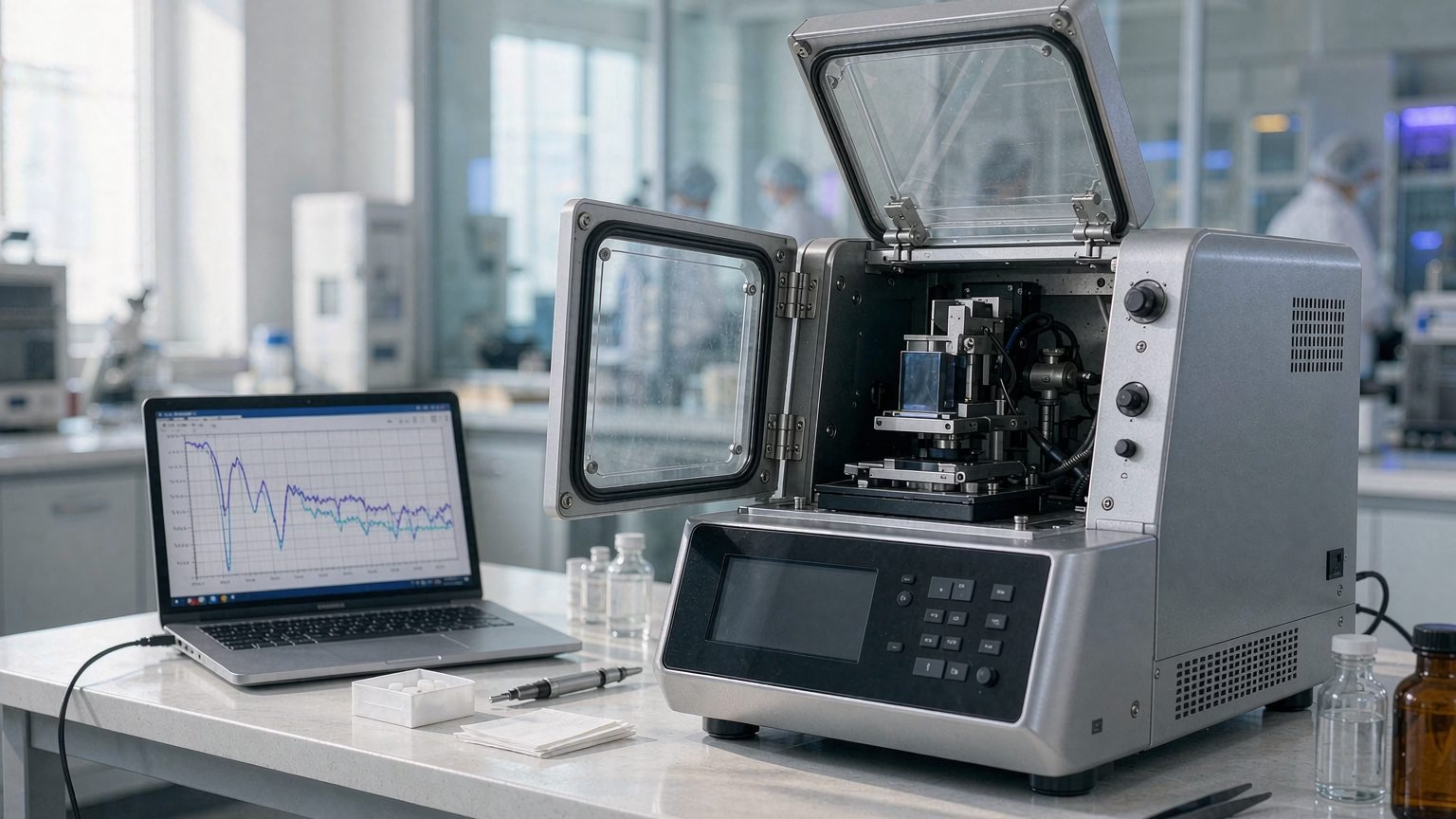
FTIR analysis for polymers works because each functional group absorbs at a wavenumber set by its bond strengths, so a spectrum is a readable inventory of the chemistry present. This guide sets out the diagnostic band positions for eleven common polymers, explains how to tell polyethylene from polypropylene and how to read the carbonyl region, matches the sampling method to each physical form from pellets to foam, and shows where FTIR stops and DSC or melt flow rate has to take over.
Von |2026-10-27T13:40:59+08:00Oktober 26, 2026|Blog|0 Kommentare

What Is a Double Beam UV-Vis Spectrophotometer?

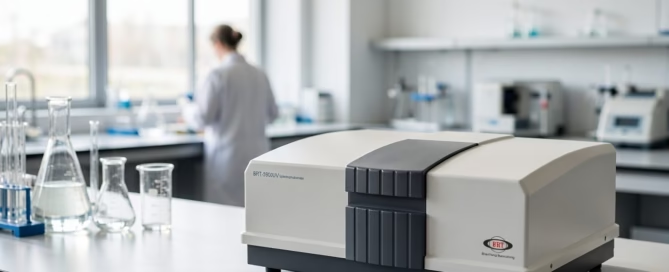
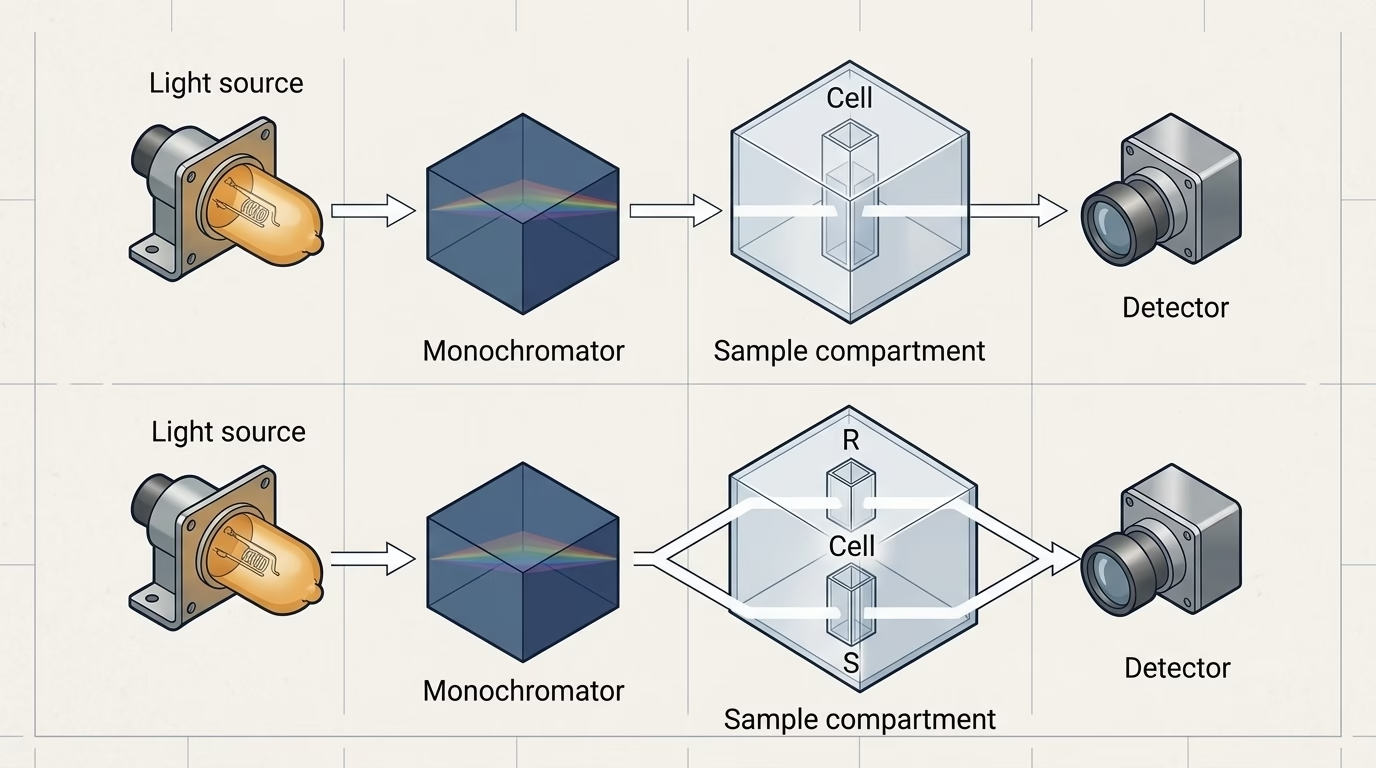
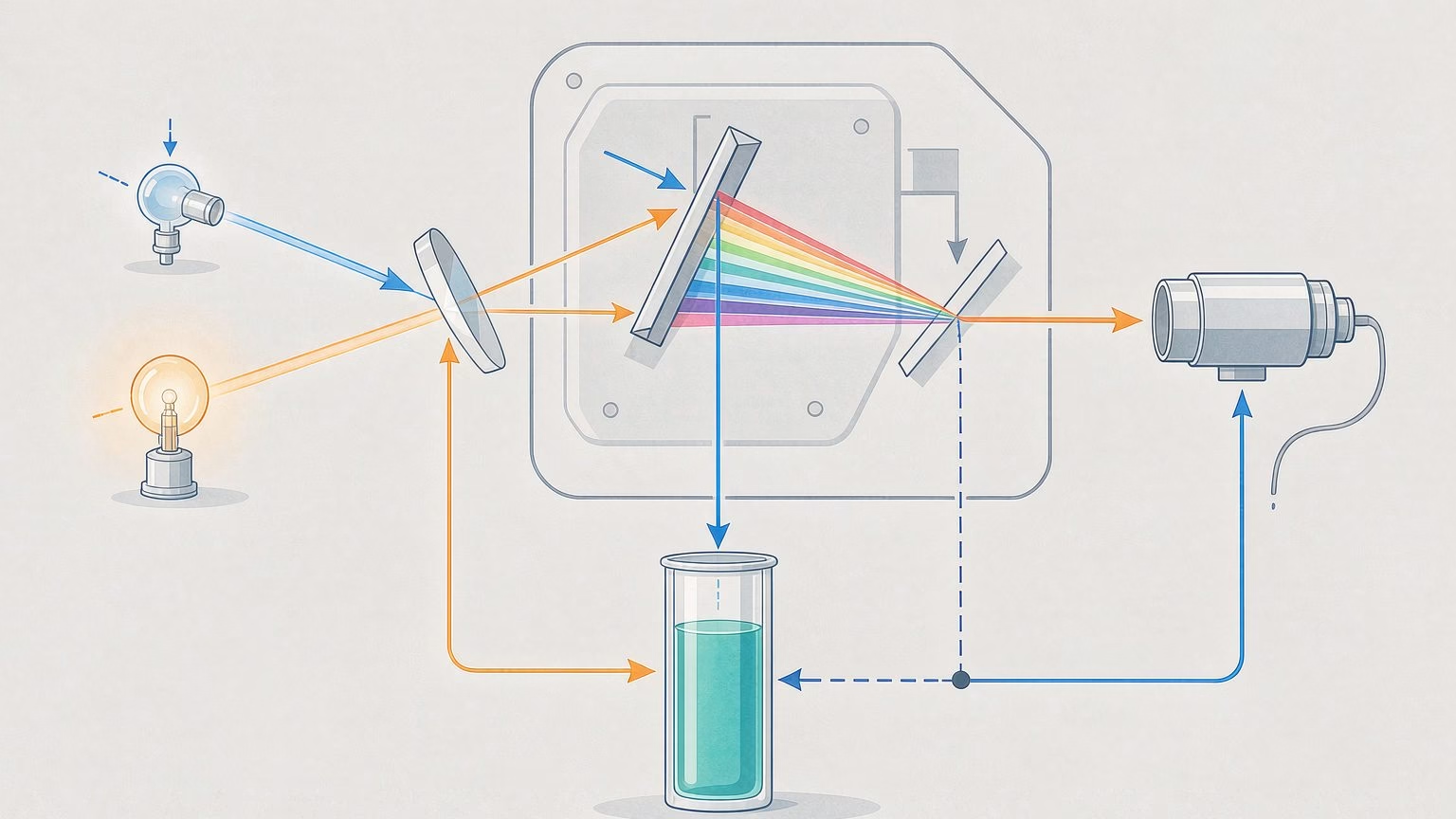
A double beam UV-Vis spectrophotometer splits light from one lamp into a sample path and a reference path and measures the ratio continuously, so source drift and lamp warm-up cancel out. This guide explains the optical architecture component by component, what the second beam physically removes, the five error classes it cannot fix, the specifications worth reading on a datasheet, and how to verify the instrument after installation.

Von |2026-10-27T13:40:34+08:00Oktober 22, 2026|Blog|0 Kommentare

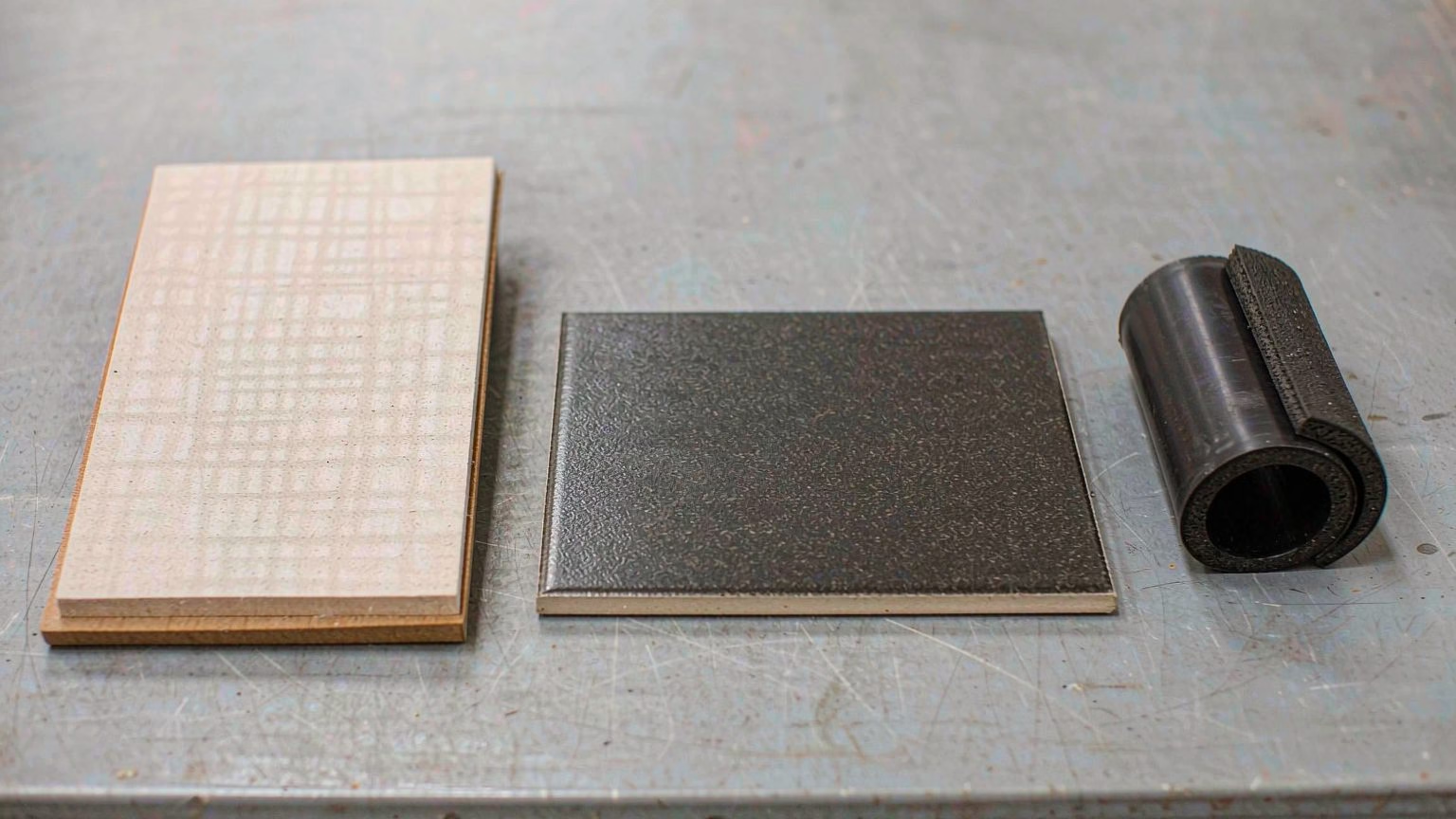
Building Material Fire Classification: A Beginner’s Guide

Building material fire classification answers two different questions, and mixing them is where most beginners go wrong. Reaction to fire asks how much a product contributes to a developing fire; fire resistance asks how long a complete element keeps performing under a standard fire. This guide separates the two, shows how to read a full class string including its subscripts, compares the European, North American and national regimes, explains how a classification is actually issued, and lists the six mistakes that cost manufacturers the most time.

Von |2026-10-27T13:40:29+08:00Oktober 21, 2026|Blog|0 Kommentare

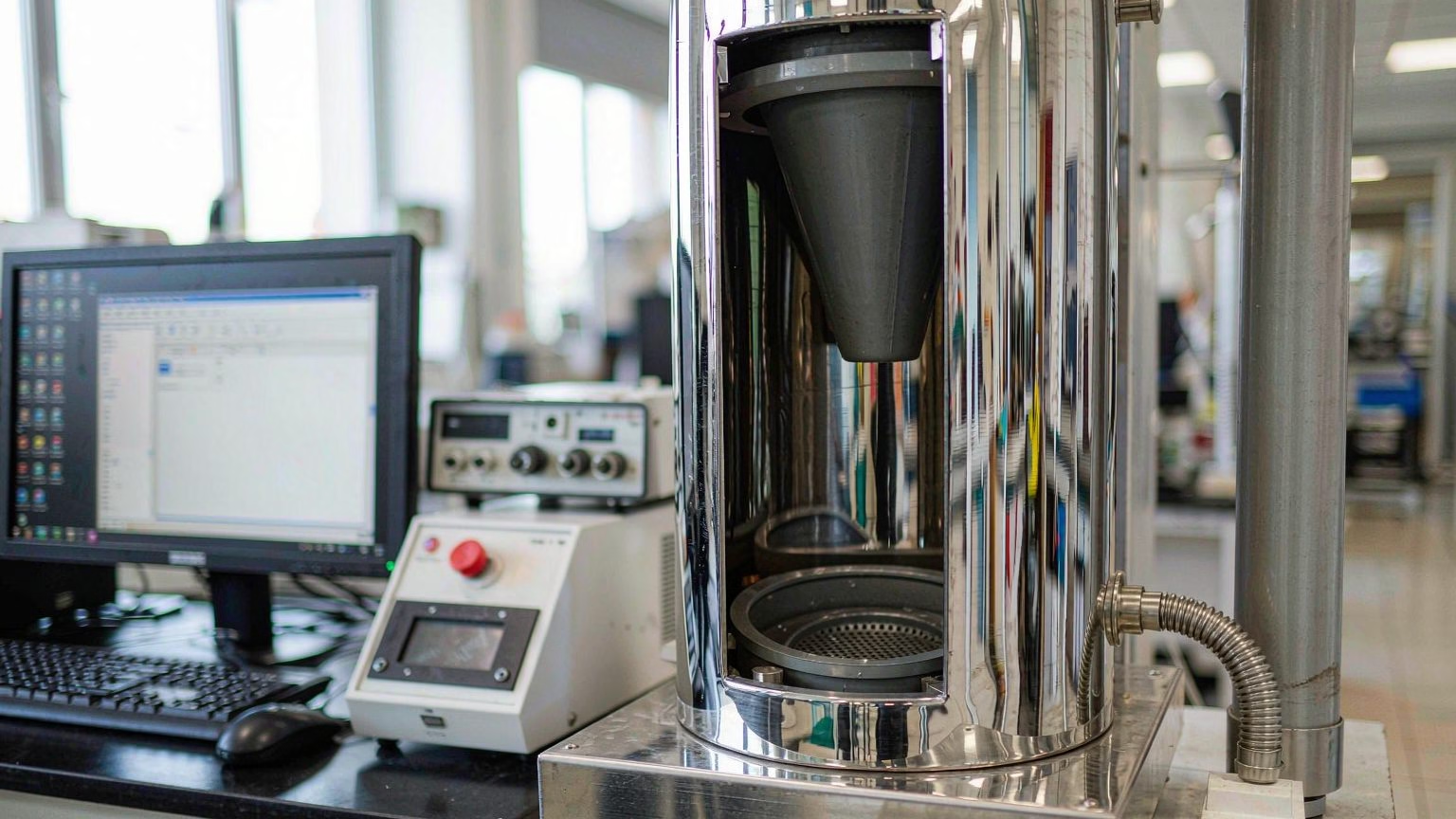
Fire Testing Equipment for Construction Material Manufacturers

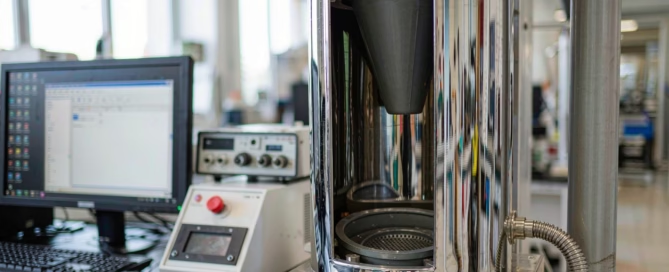
Buying fire testing equipment for construction materials is a decision about a classification capability, not a single machine. Two things set the list: the market whose rules apply and the class you have to reach. This guide maps each product family to its test route, sets out which tests realistically belong in-house and which belong at a partner laboratory, and gives the order in which to buy — including the instruments most manufacturers should not buy yet.

Von |2026-10-27T13:40:09+08:00Oktober 21, 2026|Blog|0 Kommentare

How Does a Spectrophotometer Measure Absorbance?

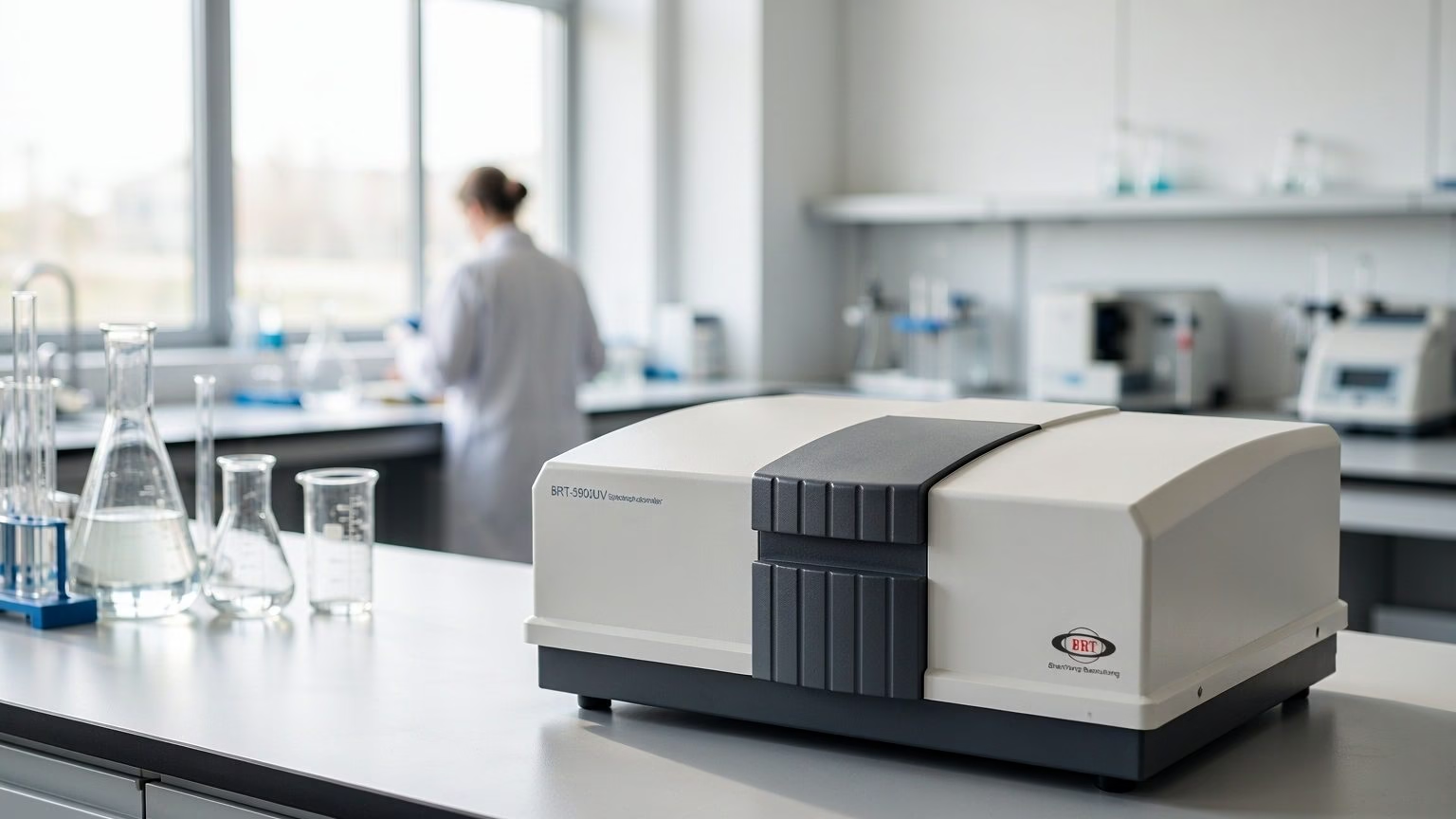
A spectrophotometer does not measure darkness; it measures a ratio. Two readings of the same light beam — one through the reference, one through the sample — are divided to give transmittance and then converted with a negative logarithm to give absorbance. This article follows that chain from lamp to detector, explains why the scale has to be logarithmic, sets out the Beer-Lambert relationship and the six ways the reading departs from it, and shows how to verify that the number the instrument prints is one you can defend.

Von |2026-10-27T13:40:14+08:00Oktober 21, 2026|Blog|0 Kommentare

FTIR vs UV-Vis: Which Spectroscopic Technique Should You Use?

FTIR and UV-Vis are both spectroscopic techniques, and that is where the similarity ends. FTIR reads molecular vibrations in the mid-infrared and identifies what a material is; UV-Vis reads electronic transitions in the ultraviolet and visible and quantifies how much of a known substance is in solution. This comparison sets the two side by side: what each one measures, the sample preparation each demands, how the same specification words mean different things on the two datasheets, where quantitative capability really ends, and which laboratories genuinely need both instruments rather than one.

Von |2026-10-27T13:39:59+08:00Oktober 20, 2026|Blog|0 Kommentare

Horizontale vs. vertikale Entflammbarkeitsprüfung für Kunststoffe

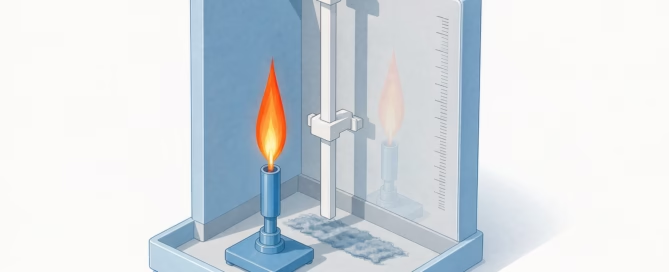
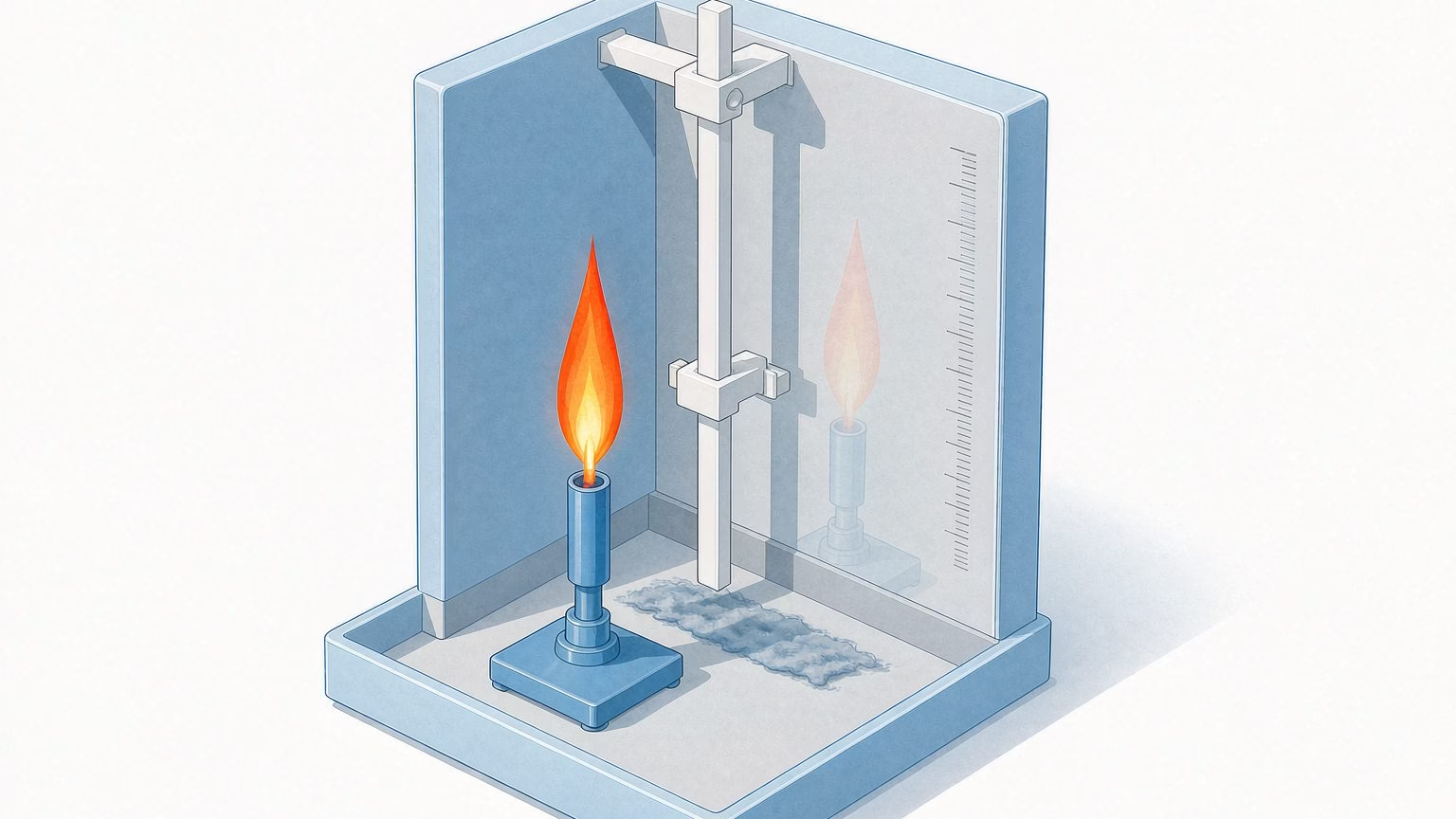
Horizontal and vertical flammability testing for plastics look like the same test turned through ninety degrees. They are not. The orientation changes what the flame can do to the specimen, which property is measured, and which standards apply, so a horizontal result cannot be converted into a vertical one. This guide compares the two set-ups side by side, sets out the standards behind each orientation including ASTM D635, ASTM D3801 and IEC 60695-11-10, explains how thickness, pigment and conditioning move results more than orientation does, and shows how to specify equipment that covers both.

Von |2026-10-27T13:39:45+08:00Oktober 19, 2026|Blog|0 Kommentare

So wählen Sie einen Lieferanten für Laborgeräte für Brandtests aus

Choosing a fire testing laboratory equipment supplier is a decision about evidence, not about brochures. The instrument has to reproduce a published method, the calibration has to be traceable, and the supplier has to still be there when a thermocouple fails during an accreditation audit. This guide sets out the six criteria that predict whether an installation works, how to read a quotation, what to ask an application engineer, and the red flags that appear before a purchase order rather than after it.

Von |2026-10-27T13:39:49+08:00Oktober 19, 2026|Blog|0 Kommentare

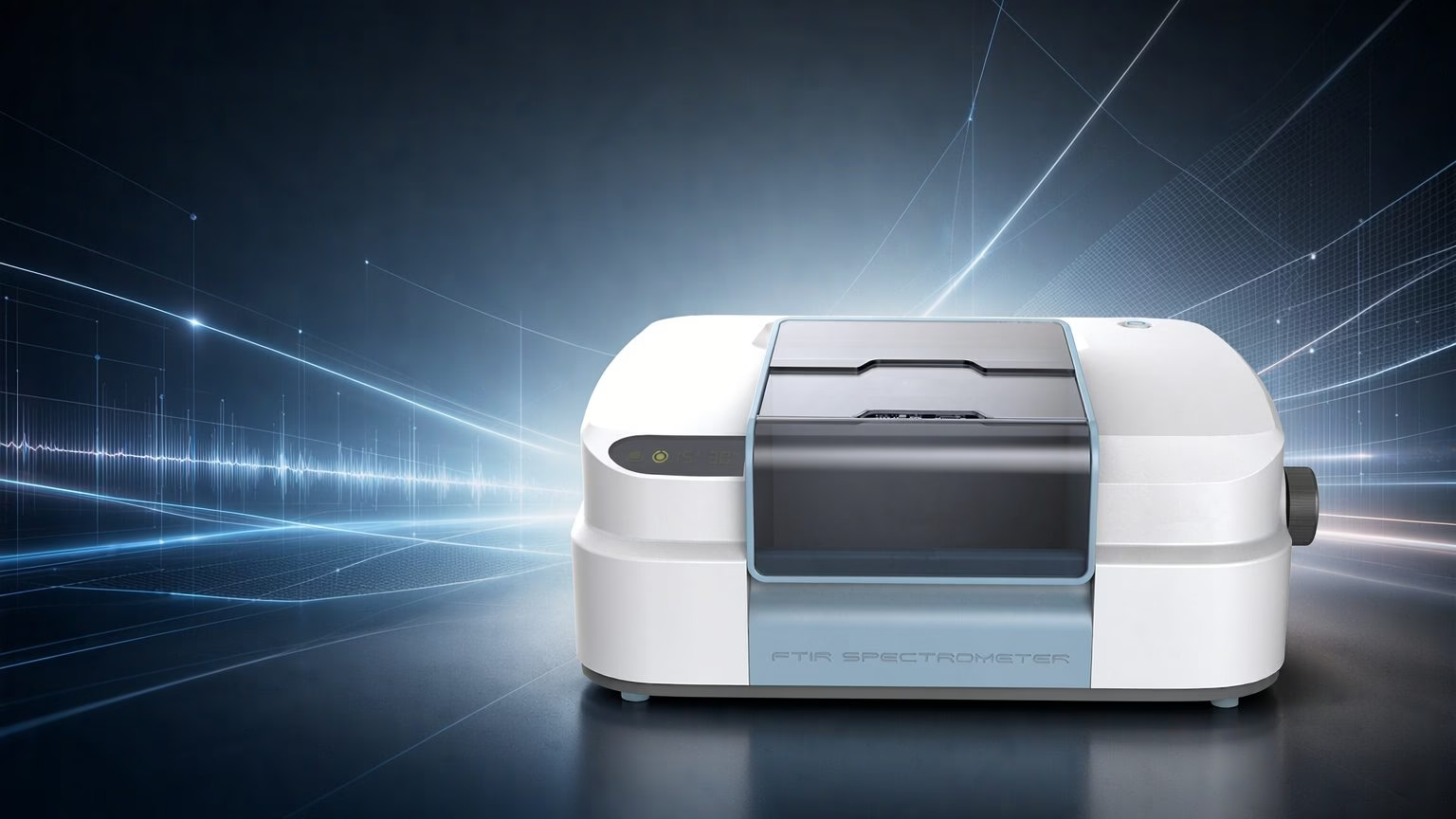
Wofür wird ein FTIR-Spektrometer verwendet?? 8 Kernanwendungen

An FTIR spectrometer is used to identify what a material is made of, by measuring how it absorbs mid-infrared light. This guide sets out the eight core uses, from polymer identification and incoming raw-material screening to contaminant analysis, coating verification and forensic fibre work, and explains which sampling mode fits each one. It also covers what FTIR cannot tell you, how transmission and ATR differ in practice, which instrument specifications actually matter for routine identification work, and the mistakes that most often produce an unusable spectrum.

Von |2026-10-27T13:39:35+08:00Oktober 19, 2026|Blog|0 Kommentare

UV-Vis-Spektrophotometer: Funktionsprinzip und Hauptanwendungen

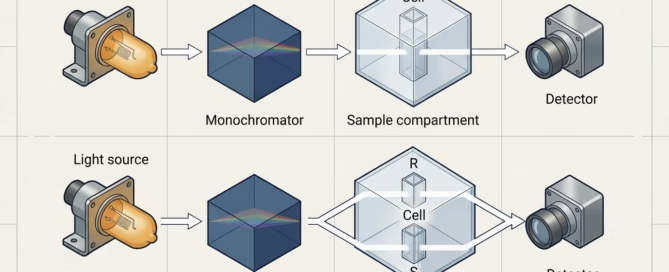
A UV-Vis spectrophotometer measures how much ultraviolet and visible light a sample absorbs, and at which wavelengths. Light from a deuterium or tungsten lamp passes through a monochromator, through the sample, and onto a detector, where the transmitted intensity is converted into absorbance and then into concentration through the Beer-Lambert law. This guide walks the optical path stage by stage, explains what the UV and visible regions can tell you, maps the main application areas across pharmaceutical, Umwelt, food and industrial laboratories, sets out the five specifications that decide real work, and shows how the available configurations differ from routine colorimetric benches to research-grade double-beam systems.

Von |2026-10-27T13:39:21+08:00Oktober 16, 2026|Blog|0 Kommentare
Nach oben gehen