Interprétation de la norme

How to Select a Flammability Tester for Plastics

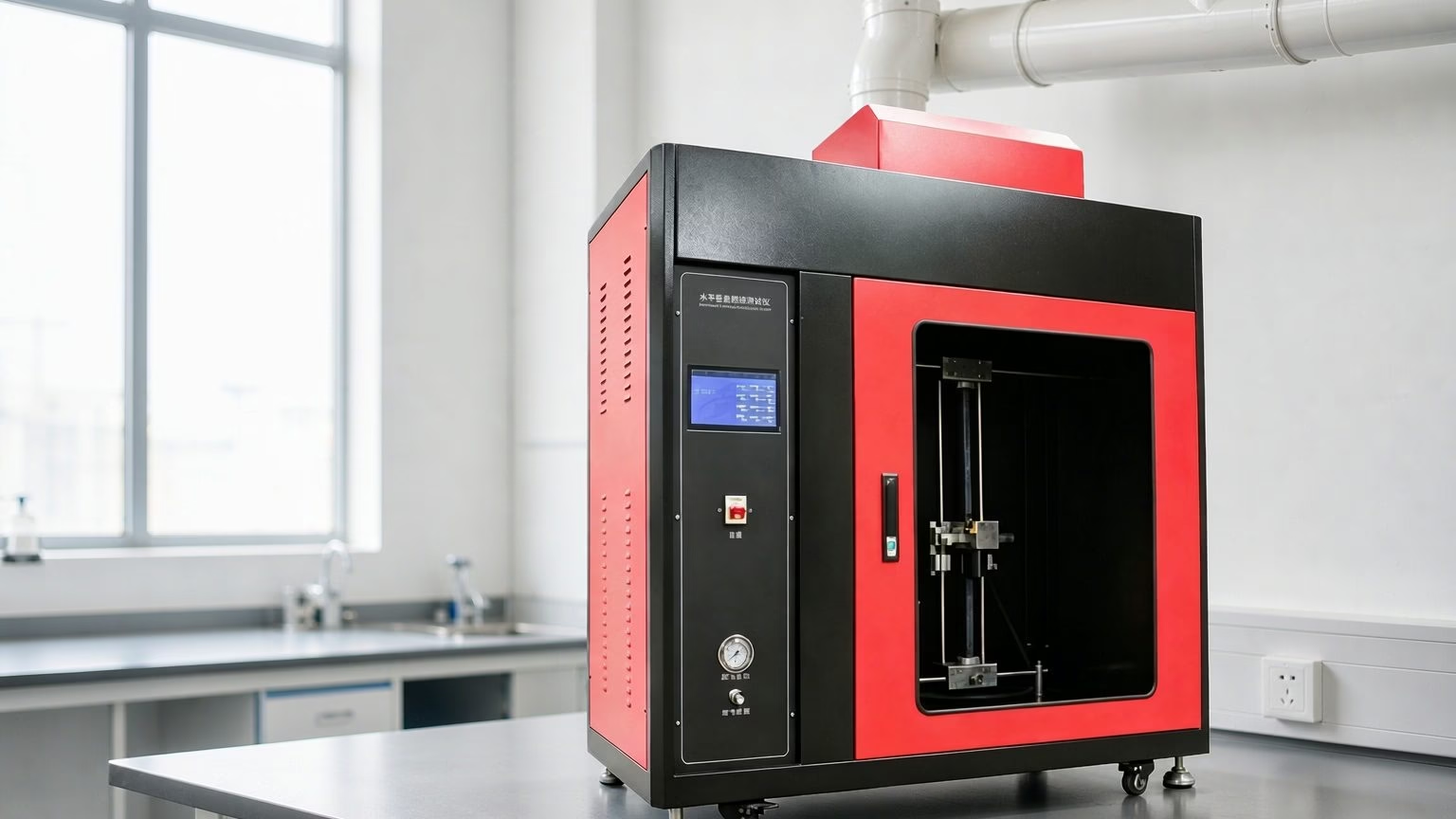
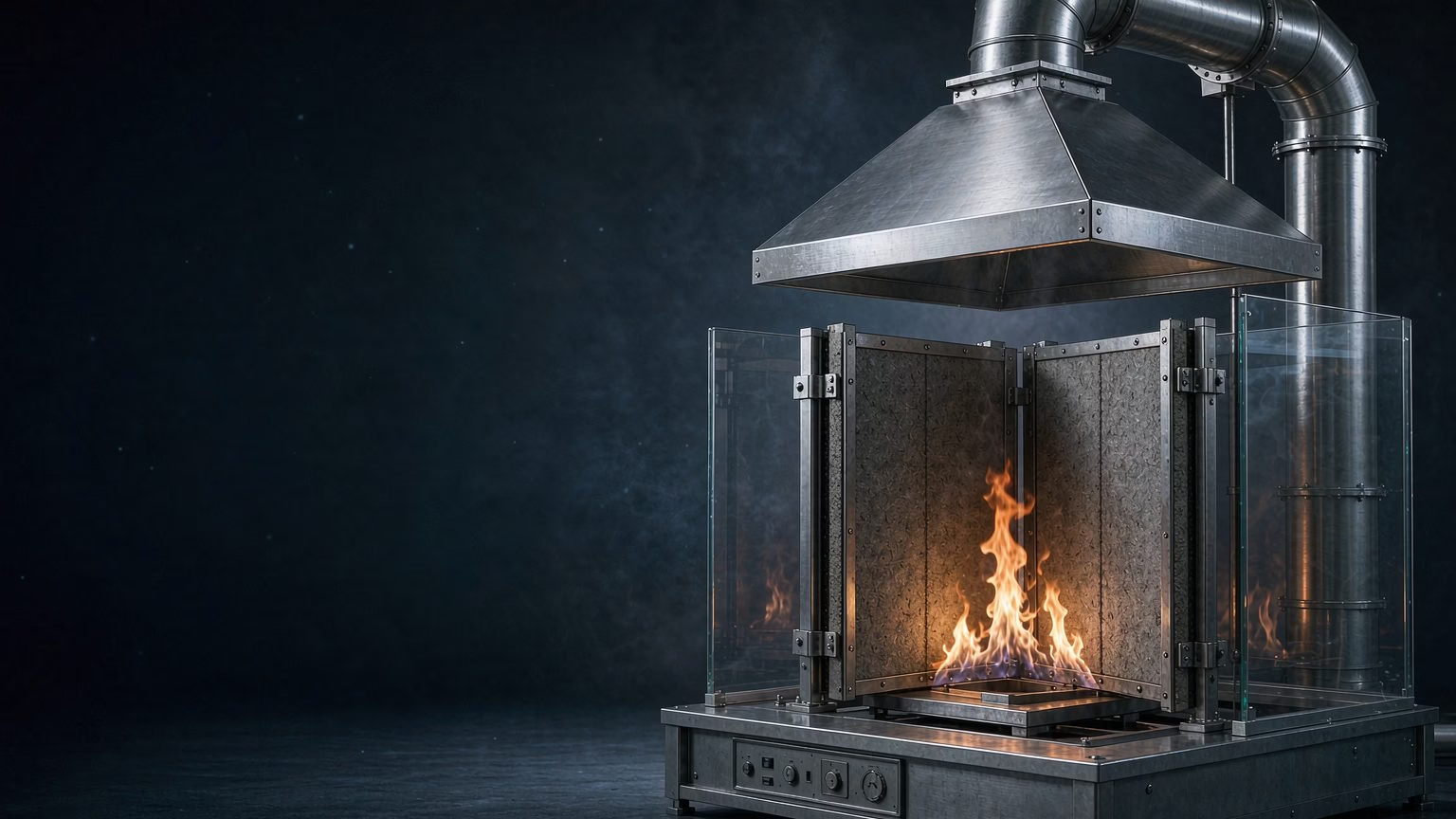
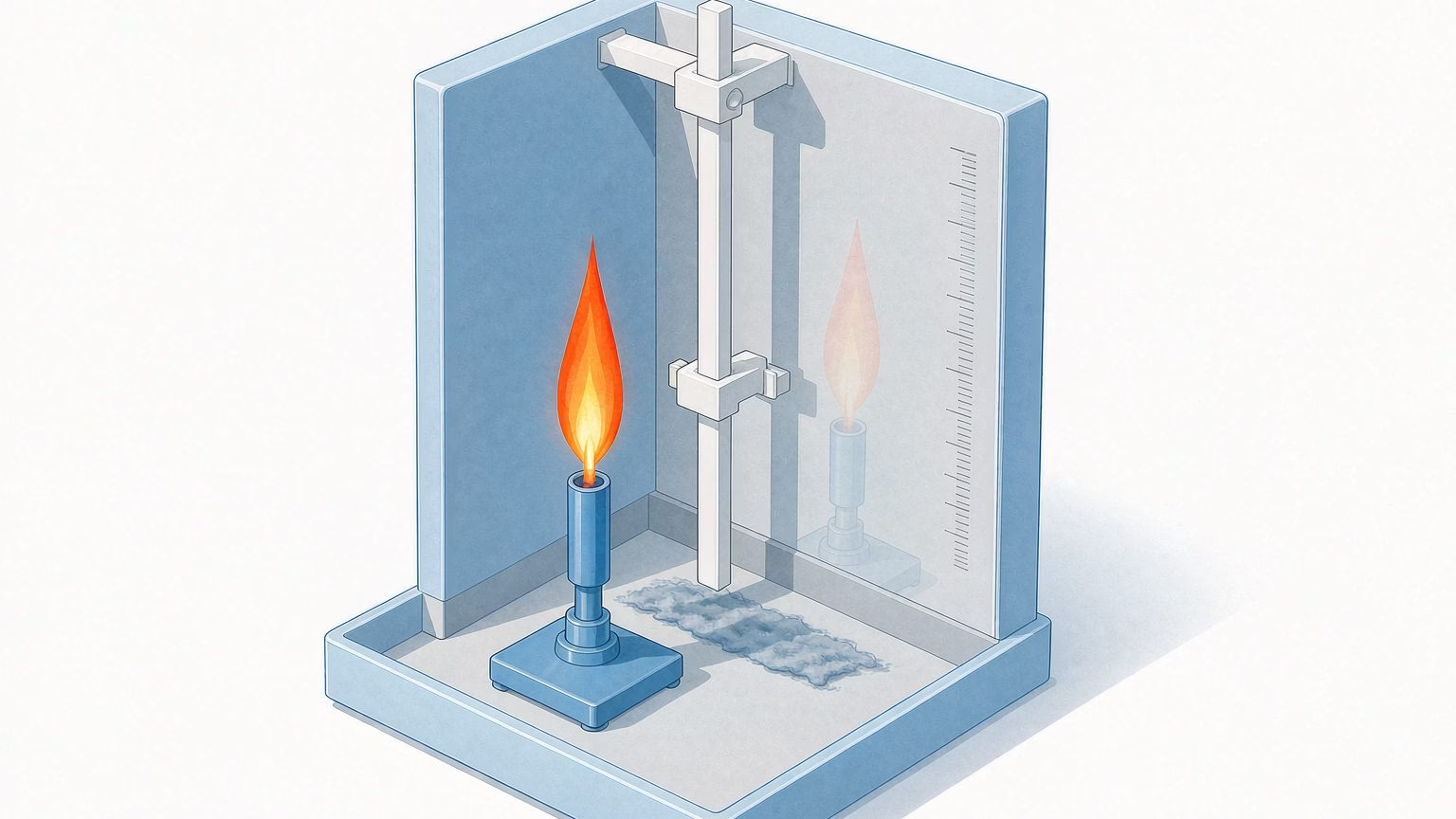
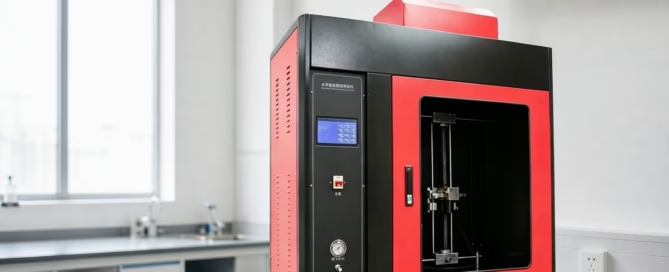
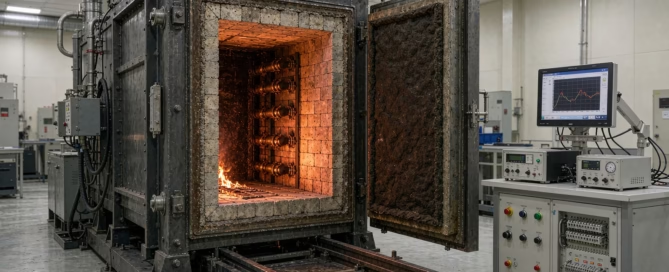
To select a flammability tester for plastics, work backwards from the certificate rather than forwards from the catalogue. This guide maps each obligation — a UL yellow card, an IEC CB report, an appliance glow wire requirement, a formulation study — to the governing method and the apparatus it needs: le 50 W horizontal and vertical cabinet for HB, V-0, V-1 et V-2; le 500 W arrangement for 5VA and 5VB; glow wire for GWFI and GWIT; needle flame for small parts; oxygen index and cone calorimeter for development. It explains why specimen form and thickness decide the quotation, sets out the six items to settle before asking for a price, and gives an eight-point acceptance checklist for a new machine.
Par |2026-10-30T11:23:11+08:00Octobre 30, 2026|Interprétation de la norme|0 Commentaires

Fire Retardant Coating vs Fire Resistant Coating

The difference between a fire retardant coating and a fire resistant coating is the question each one answers. A retardant coating limits how fast fire spreads over a surface and earns a reaction-to-fire class under EN 13501-1 or a flame spread index under ASTM E84. A resistant coating protects a structural element for a stated period and earns a fire resistance rating under EN 13501-2, ASTM E119 or UL 1709. This guide sets the two test regimes side by side, explains why an intumescent coating has no rating of its own and is specified through section factor, dry film thickness and period, covers EN 13381-8 versus EN 13381-4, and lists the five specification errors that produce disputes.

Par |2026-10-30T11:23:07+08:00Octobre 30, 2026|Interprétation de la norme|0 Commentaires

Flame Spread Testing for Wall Coverings

Flame spread testing for wall coverings is decided less by the facing than by what the facing is stuck to. This guide sets the four routes side by side — ASTM E84 in the Steiner tunnel, DANS 13501-1 built from EN ISO 11925-2 et FR 13823, NFPA 286 in a full-scale room corner, et ISO 5658-2 on a vertical radiant panel for marine and transport work — and explains why their results cannot be swapped. It covers the substrate and adhesive as part of the specimen, how to read the s and d suffixes rather than just the main class letter, why an ASTM Class A is not a Euroclass B, what changes when the covering is thin, and which editions are current, including the withdrawal of EN 15102 et FR 13238.

Par |2026-10-30T11:23:02+08:00Octobre 30, 2026|Interprétation de la norme|0 Commentaires

Exigences en matière d'essais au feu pour les composants électriques en plastique: Petite Flamme, Fil incandescent et suivi

A plastic part in electrical equipment is not asked to pass one fire test. It is asked to survive four ignition scenarios: a small external flame on the 50 W methods of IEC 60695-11-10, a larger flame on the 500 W method of IEC 60695-11-20, an internal fault flame on the needle-flame test, and an overheated part on the glow-wire family, with tracking handled separately by IEC 60112. This guide separates the end-product glow-wire test from the GWFI and GWIT material properties, explains why thickness is part of a flame classification, and lists what a material datasheet claim has to carry before it counts as a requirement.

Par |2026-10-28T15:27:21+08:00Octobre 28, 2026|Interprétation de la norme|0 Commentaires

Quelle est la différence entre l'indice de résistance au feu et l'indice de résistance au feu?

A fire resistance rating is a defined quantity: minutes that an element of construction has held, under a standardised furnace fire, against loadbearing capacity, integrity and insulation, tested to ISO 834-1 ou FR 1363-1 and classified by EN 13501-2. "Fire rating" is everyday shorthand that can mean a fire resistance rating, a reaction to fire Euroclass, a flame spread index, or nothing enforceable at all. This guide separates the two questions fire safety engineering keeps apart, compares the European and North American systems and their different temperature-rise limits, and shows what to write instead of the bare phrase before a document goes out.

Par |2026-10-28T15:27:17+08:00Octobre 28, 2026|Interprétation de la norme|0 Commentaires

CEI 60332 Explication des tests de flamme des câbles: Fil unique, Câbles groupés et catégories A à D

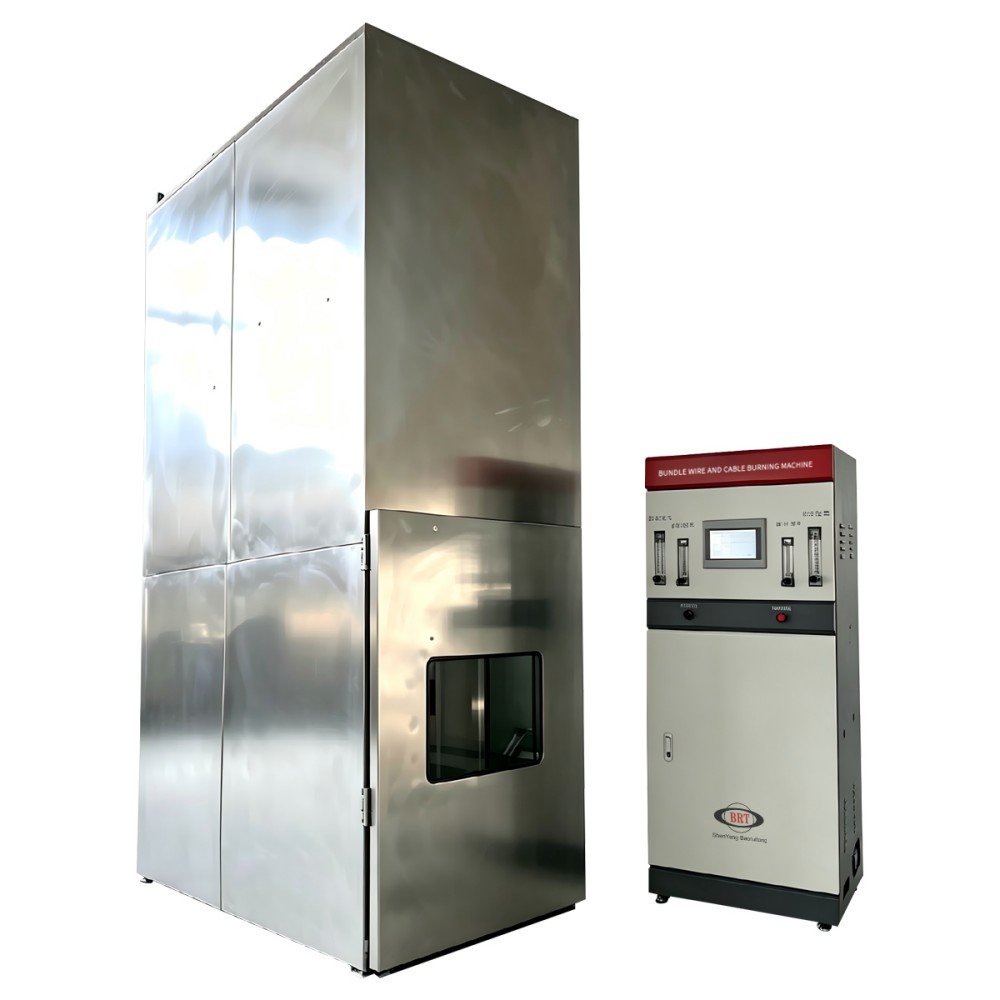
CEI 60332 measures how far a flame travels along a cable, not whether the cable keeps working. A single insulated wire goes to IEC 60332-1-2, now edition 2.0 publié 10 June 2025; a small conductor that would melt goes to the diffusion flame of IEC 60332-2-2; cables installed as a group go to the IEC 60332-3 ladder, where category A, B, C or D is set by the volume of non-metallic material per metre and the flame application time. This guide maps the parts, explains why a single-wire pass does not cover a bunched installation, and lists the specification errors that cost the most.

Par |2026-10-28T15:27:13+08:00Octobre 28, 2026|Interprétation de la norme|0 Commentaires

Essais de résistance au feu pour murs et cloisons: Normes, Critères et comment lire une classification

Walls and partitions are not tested alike. Non-loadbearing partitions go to EN 1364-1 and can only claim EI; loadbearing walls go to EN 1365-1 under load and can claim REI. Both are read with EN 1363-1, heated on the ISO 834-1 curve, and classified by EN 13501-2 into a standard minute series. This guide explains which standard applies to your element, how the R, E and I criteria are actually judged, why the North American ASTM E119 route adds a hose stream, and how to read a classification such as REI 60 without over-claiming it.

Par |2026-10-28T15:27:09+08:00Octobre 28, 2026|Interprétation de la norme|0 Commentaires

Fire Testing Methods for Electrical Enclosures

Electrical enclosure fire testing is a matrix, not a single test. A small external flame is answered by the 50 W method in IEC 60695-11-10; a large flame by the 500 W method in IEC 60695-11-20; an overheated internal connection by the glow-wire family in IEC 60695-2-11, 2-12 et 2-13; and a fault-induced small flame by the needle-flame method in IEC 60695-11-5. This guide sets out which method answers which question, quotes the GWFI and GWIT definitions from the IEC scope statements, and explains why the split between material tests and finished-part tests decides most enclosure submissions.

Par |2026-10-27T13:24:48+08:00Octobre 27, 2026|Interprétation de la norme|0 Commentaires

UL 94 5V Testing: What Makes It Different?

UL 94 5V is not a stricter V-test; it is a different test. Where V-0, V-1 and V-2 burn a 125 mm bar with a 20 mm, 50 W flame applied twice, the 5V series uses a 125 mm flame of roughly 500 W with a 40 mm inner cone, applies it five times for five seconds, and adds a 150 mm x 150 mm plaque judged on burn-through. Bars alone give 5VB; plaques that do not perforate give 5VA. A 5V rating also requires V-0 or V-1 at the same thickness first. This guide sets out the flame change, the five-application sequence, the plaque criterion, the conditioning regimes, the apparatus checklist, and how the method maps to IEC 60695-11-20 and ASTM D5048.

Par |2026-10-27T13:24:43+08:00Octobre 27, 2026|Interprétation de la norme|0 Commentaires

How to Test Fire Resistance of Fire Doors

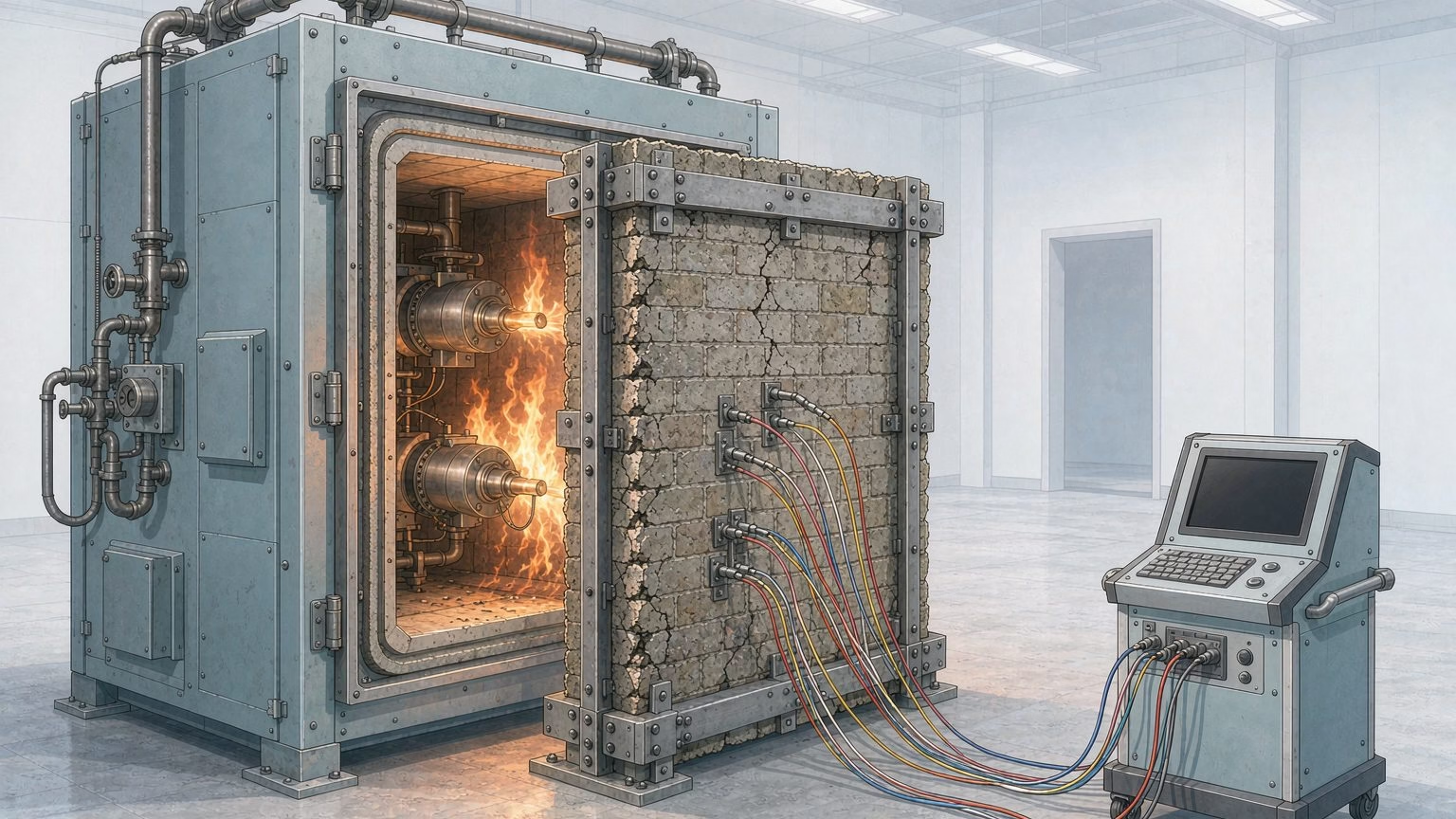
A fire door is not tested as a leaf; it is tested as a doorset, mounted full size in a furnace wall and heated on the standard curve until one of the criteria is lost. This guide walks through the seven steps of a fire door fire resistance test, the standards you choose by market and the editions that are current right now, how the specimen has to match production, which instruments decide the result, what the E, je, W, S and C criteria actually mean, and the failure modes that account for most failed runs.

Par |2026-10-27T13:41:28+08:00Octobre 26, 2026|Interprétation de la norme|0 Commentaires
Aller en haut