Blog

UV-Vis Spektrofotometre Kalibrasyonu: Laboratuvarların Bilmesi Gerekenler

UV-Vis spectrophotometer calibration is not one holmium scan. It is five independent checks — wavelength accuracy, photometric accuracy and linearity, stray light, spektral bant genişliği, and baseline stability — each proved with a different certified reference and each carrying its own acceptance limit. This guide separates calibration from verification and qualification, shows why certified peak positions move with spectral bandwidth using the NIST SRM 2034 certificate values at 0.1, 1 Ve 3 nm, explains why ASTM E925 does not apply to instruments wider than 2 nm, compares the reference materials that actually prove each parameter, sets out interval logic against ILAC-G24 and intervention triggers, and lists the fields a calibration record needs to survive an audit.
İle |2026-10-30T11:22:57+08:00Ekim 30, 2026|Blog|0 Yorumlar

ASTM E119 Yangına Dayanım Testi Açıklaması

ASTM E119 is not one measurement but three, taken on the same specimen at the same time: the transmission of heat, the transmission of hot gases, and the load-carrying ability of a load-bearing element. For beams and columns the load measurement is made with consideration for the end support conditions, restrained or not restrained. This guide explains what the standard covers and where its scope is stretched, why the same member can produce two different ratings, why a rating belongs to a listed design rather than to a product, when the hose stream applies, and the three exclusions in the significance clause that leave smoke, other lengths and fire-damaged buildings outside the claim.

İle |2026-10-29T16:29:50+08:00Ekim 29, 2026|Blog|0 Yorumlar

SBI Yangın Testi Ne İçin Kullanılır??

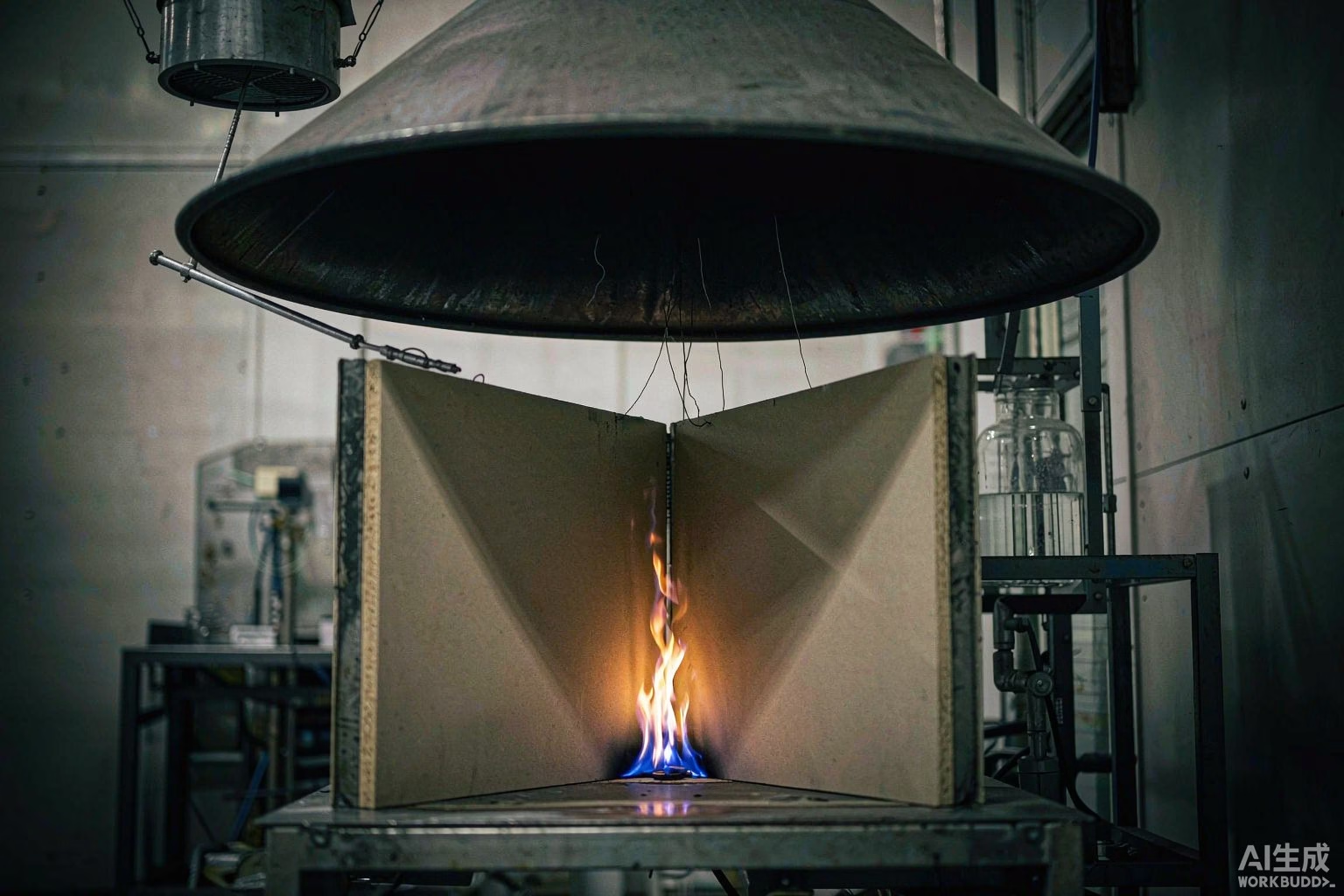
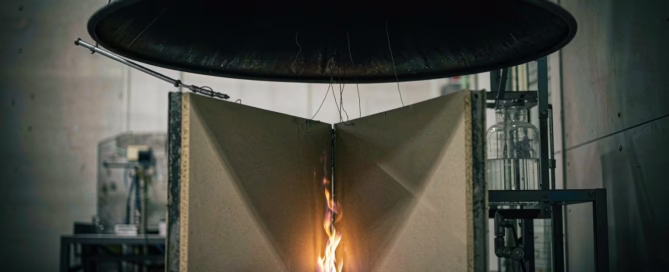
The SBI fire test is used to generate the reaction-to-fire data a construction product needs in order to be classified, and nothing more. One corner exposure produces FIGRA, THR600s, lateral flame spread, SMOGRA and TSP600s, ve TR 13501-1 turns those into an A2, B, C or D class with smoke and droplet subscripts. This guide sets out who uses the result and for what decision, why the test is a late-stage confirmation rather than a development tool, which products are outside its scope, and why ASTM E84 could never replace it: the tunnel method states that it does not provide for the effect of aggravated flame spread caused by the proximity of combustible walls and ceilings.

İle |2026-10-29T16:29:46+08:00Ekim 29, 2026|Blog|0 Yorumlar

Yangına Dayanıklı Pencereler için Yangına Dayanım Testi

Fire resistance testing of a fire-rated window measures an assembly, not a pane of glass, and the assembly can pass with part of the glazing gone. UL 9 and NFPA 257 both permit loss of glass lights and through openings within specified limits, and UL 9 defines two separate furnace pressure conditions. This guide compares the European route of EN 1634-1 with the North American routes of UL 9 and NFPA 257, explains why heat flux and unexposed-face temperature are measured, maps glazing families to what usually ends the test, sets out the seven changes that void a report, and lists the three questions neither standard answers including smoke.

İle |2026-10-29T16:29:41+08:00Ekim 29, 2026|Blog|0 Yorumlar

Alev Geciktirici Plastikler Nasıl Test Edilir: Bir FR Programı

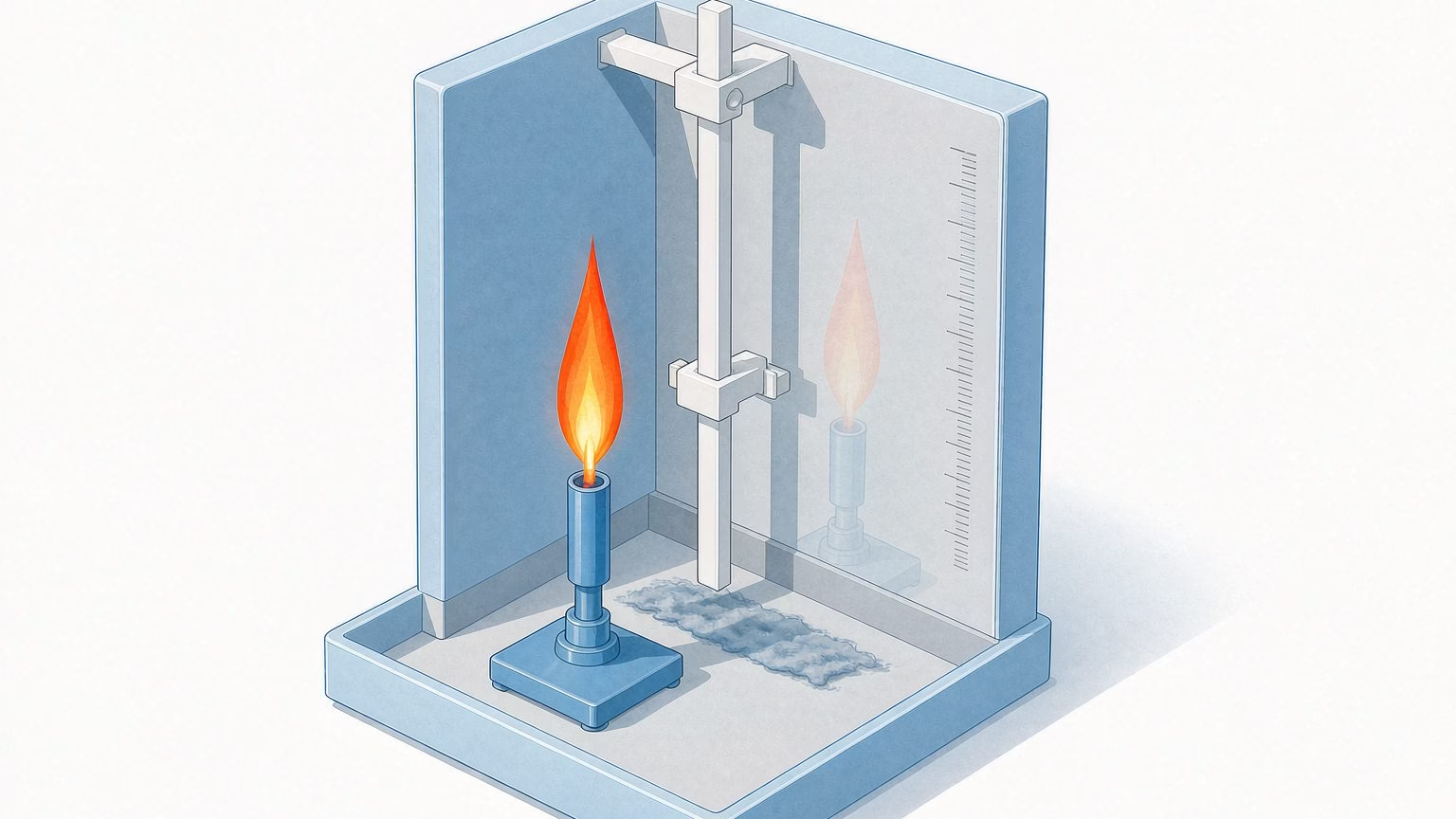
Testing a flame retardant plastic is not one test but a qualification argument that has to survive a change of thickness, a change of colour and a change of supplier. This guide sorts the standards by the question they answer rather than by their numbers: ASTM D1929 for ignition temperature, ASTM D635 and IEC 60695-11-10 Method A for horizontal burning, ASTM D3801 and Method B for the vertical classification, ASTM D5048 and IEC 60695-11-20 for the gated 500 W step, ASTM D2863 for the oxygen index and ASTM E1354 for heat release. It explains why the oxygen index and a UL 94 result routinely disagree, maps each flame retardant mechanism to the tests it tends to move, lists the formulation ranges the standards ask you to declare, and sets out seven records that make a rating transferable.

İle |2026-10-29T16:33:28+08:00Ekim 29, 2026|Blog|0 Yorumlar

FTIR Bilinmeyen Malzemeleri Nasıl Tanımlıyor?

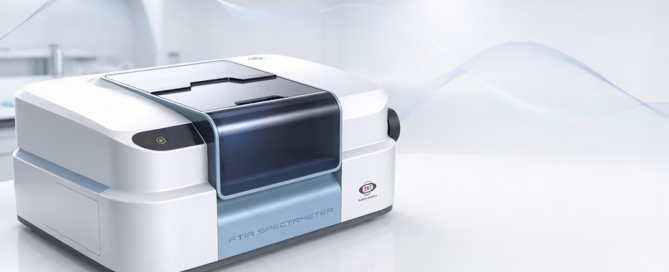
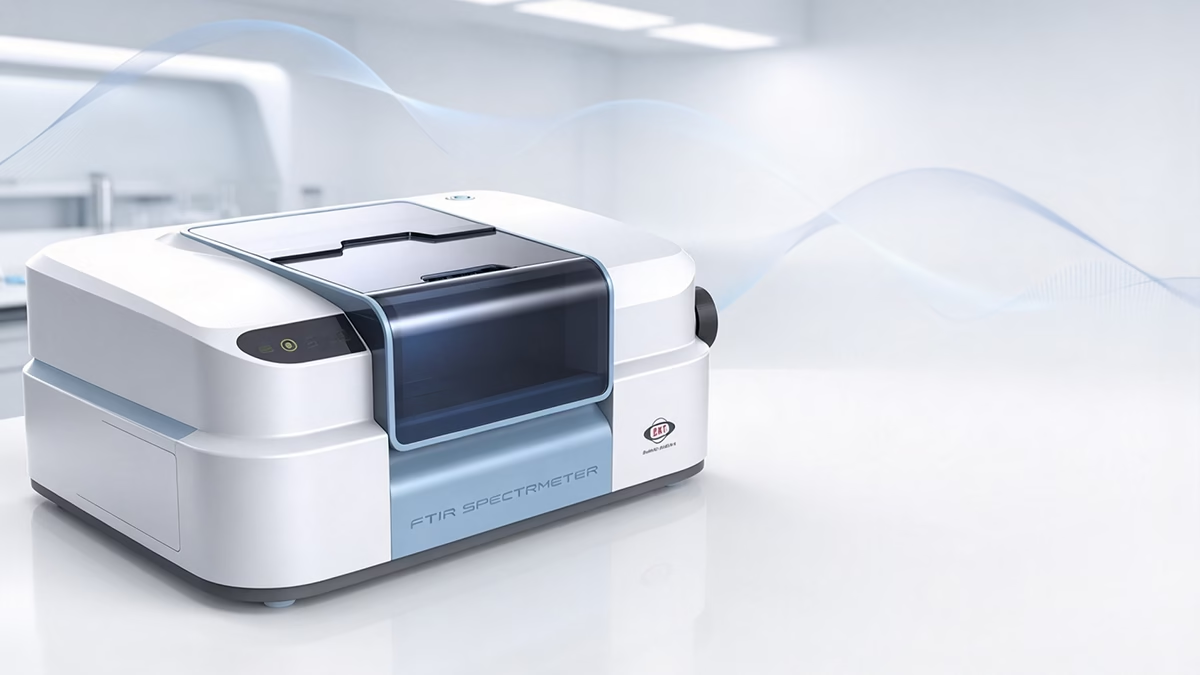
FTIR material identification works by comparing the infrared absorption pattern of an unknown against reference spectra, and the identification is only as good as the sampling step that produced the spectrum. A mid-infrared spectrum runs from 4000 ile 400 cm-1: above about 1500 cm-1 individual functional groups absorb, below it the pattern belongs to the whole molecule. This guide sets out the six-stage workflow, compares ATR, transmission and reflectance sampling, lists the artefacts that masquerade as bands, gives the common band positions as ranges, and explains why a high match score can still be the wrong answer.

İle |2026-10-27T13:24:57+08:00Ekim 27, 2026|Blog|0 Yorumlar

What Is Non-Combustibility Testing?

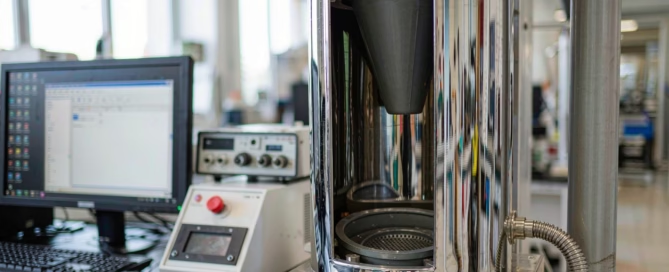
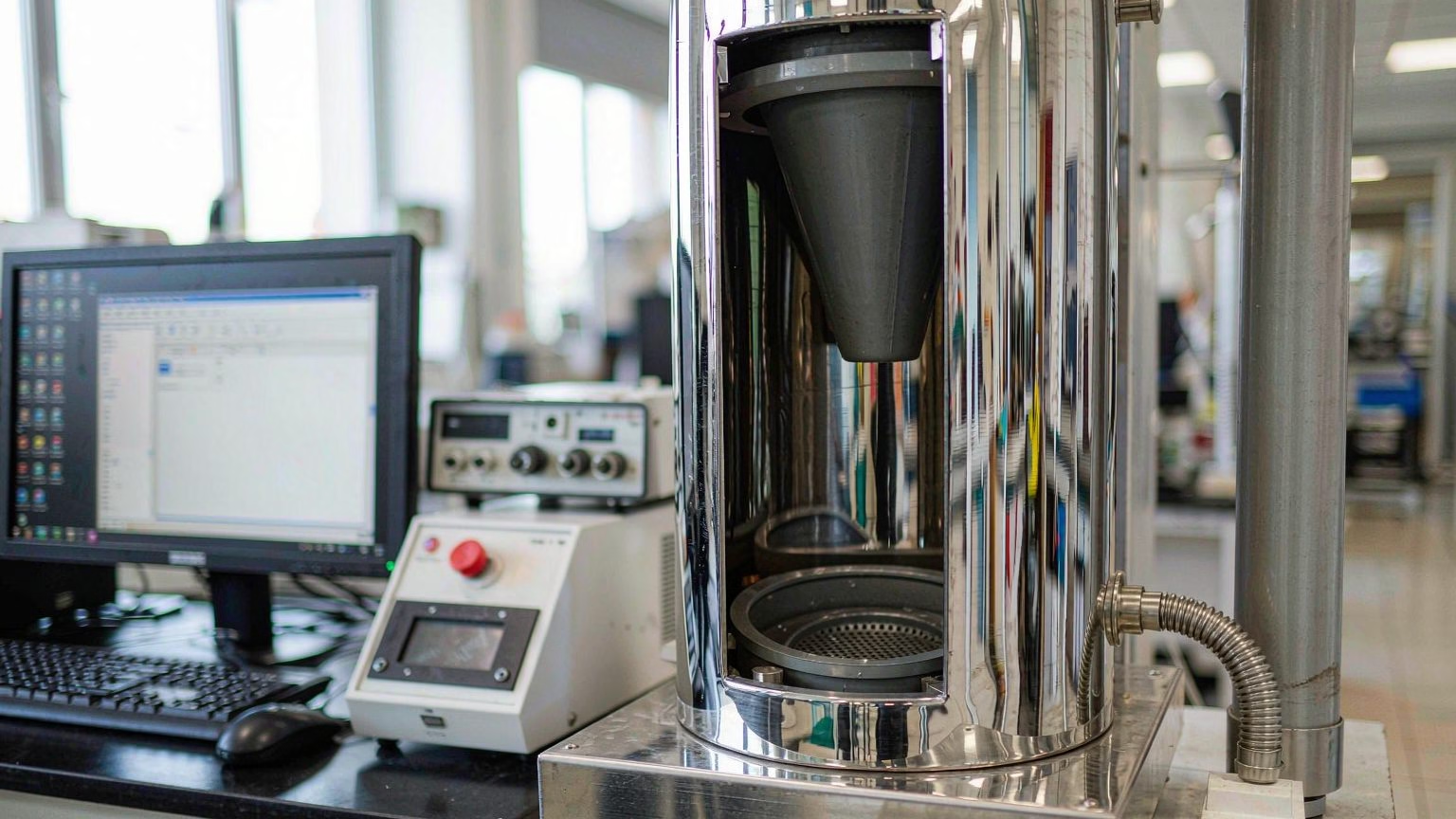
A non-combustibility test puts a small specimen into a furnace held at 750 C and measures three things: how much the temperature rises, how much mass is lost, and how long the specimen sustains a flame. It does not measure whether a product survives a fire. The European version is EN ISO 1182 and the North American version is ASTM E136, and both apply broadly similar criteria. What turns those three numbers into a classification is EN 13501-1: Euroclass A1 requires a temperature rise of at most 30 C, a mass loss of at most 50 per cent, no sustained flaming at all, and a calorific value of at most 2.0 MJ/kg. Euroclass A2 relaxes those limits and adds two further tests.

İle |2026-10-27T13:24:53+08:00Ekim 27, 2026|Blog|0 Yorumlar

UV-Vis Spectrophotometer Applications in Quality Control

In a quality control laboratory a UV-Vis spectrophotometer is not judged by its specification sheet but by whether its results survive an audit. This guide sets out the four workflows that dominate QC work, the measurement parameters that decide whether a result is defensible, how wavelength and photometric accuracy are verified against a traceable reference material, what analytical validation and system suitability require of a UV-Vis method, and the operational qualification checks to run before a instrument is released for routine use.

İle |2026-10-27T13:41:23+08:00Ekim 26, 2026|Blog|0 Yorumlar

What Is a Fire Resistance Test Furnace?

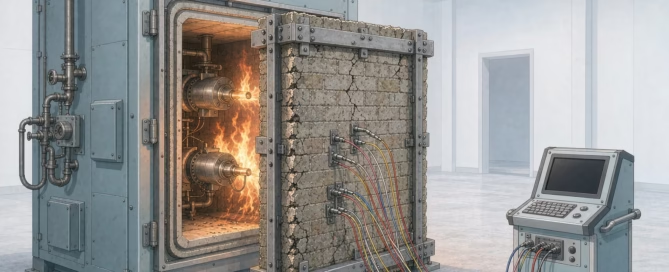
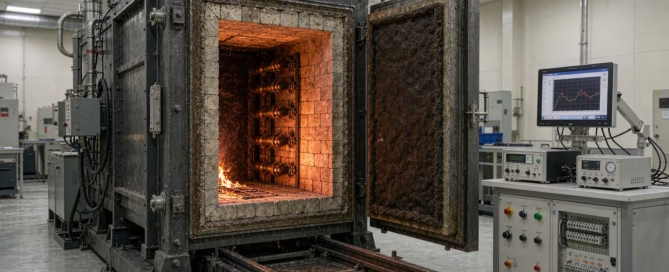
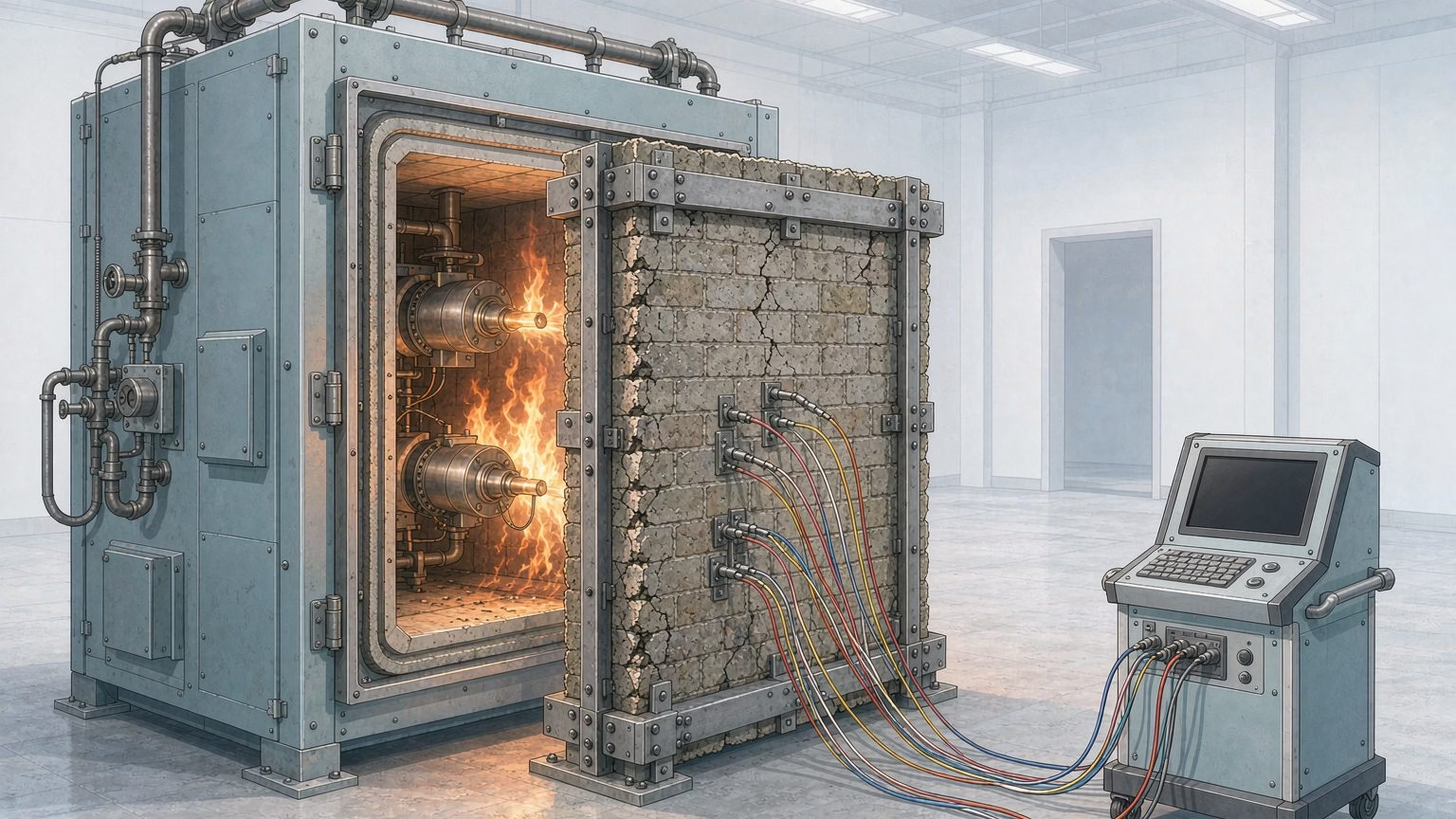
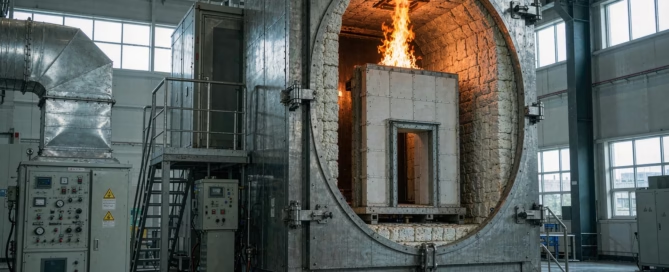
A fire resistance test furnace is not an oven with a thermometer bolted on. It is a calibrated exposure machine: a refractory chamber, a burner train, plaka termometreler, pressure probes and a loading frame that together reproduce one agreed time-temperature curve on a full-size building element. This guide walks through each subsystem, the numbers it has to hold, the E / BEN / R criteria the run produces, what changed when ISO 834-1 was republished in 2025, and the questions to put to a supplier before you buy.

İle |2026-10-27T13:41:13+08:00Ekim 26, 2026|Blog|0 Yorumlar

How to Test the Flammability of Plastic Materials

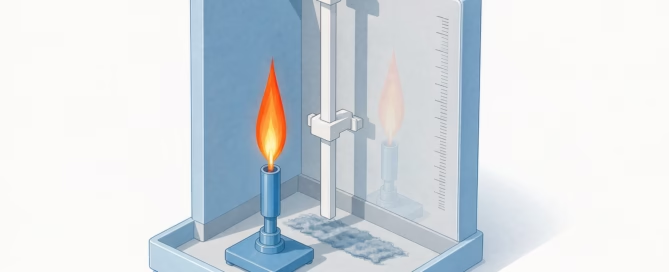
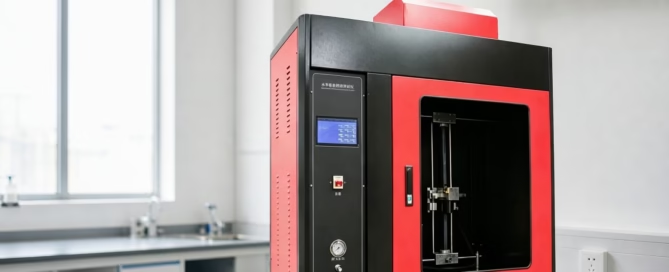
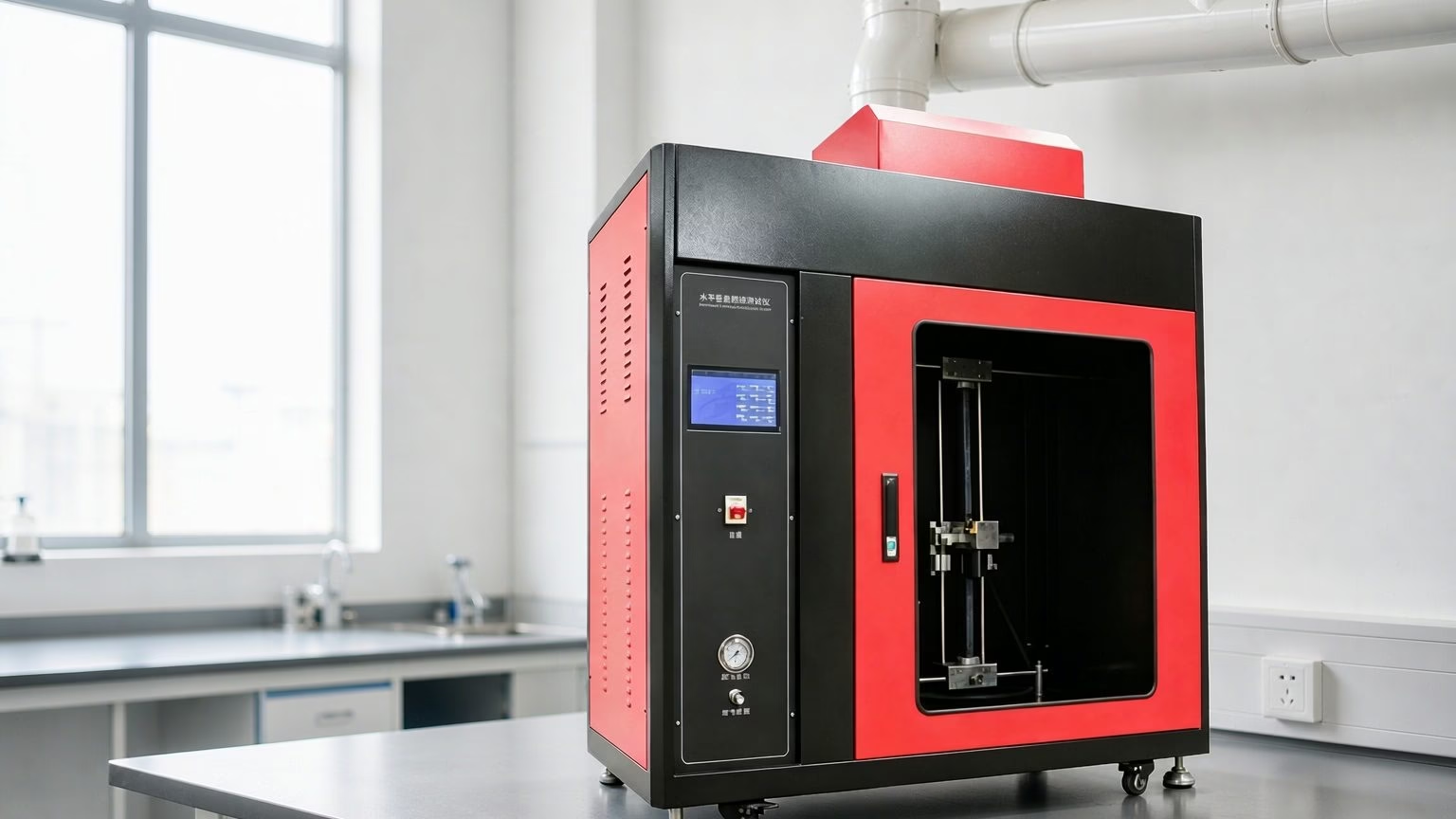
Plastic flammability testing is not one test but four families, and choosing the wrong one is the most expensive mistake in the field. This guide separates ignitability, sustained combustion, flame spread and heat release, maps each of the four test families to the product types and compliance documents that require them, covers the specimen thickness and conditioning traps that cause most inter-laboratory disagreement, and sets out what a small-flame rating does and does not certify.

İle |2026-10-27T13:41:04+08:00Ekim 26, 2026|Blog|0 Yorumlar
Yukarıya Git