Di bravezoeyj@gmail.com

Questo autore non ha ancora inserito alcun dettaglio.
Finora bravezoeyj@gmail.com ha creato 67 voci del blog.

How to Select a Flammability Tester for Plastics

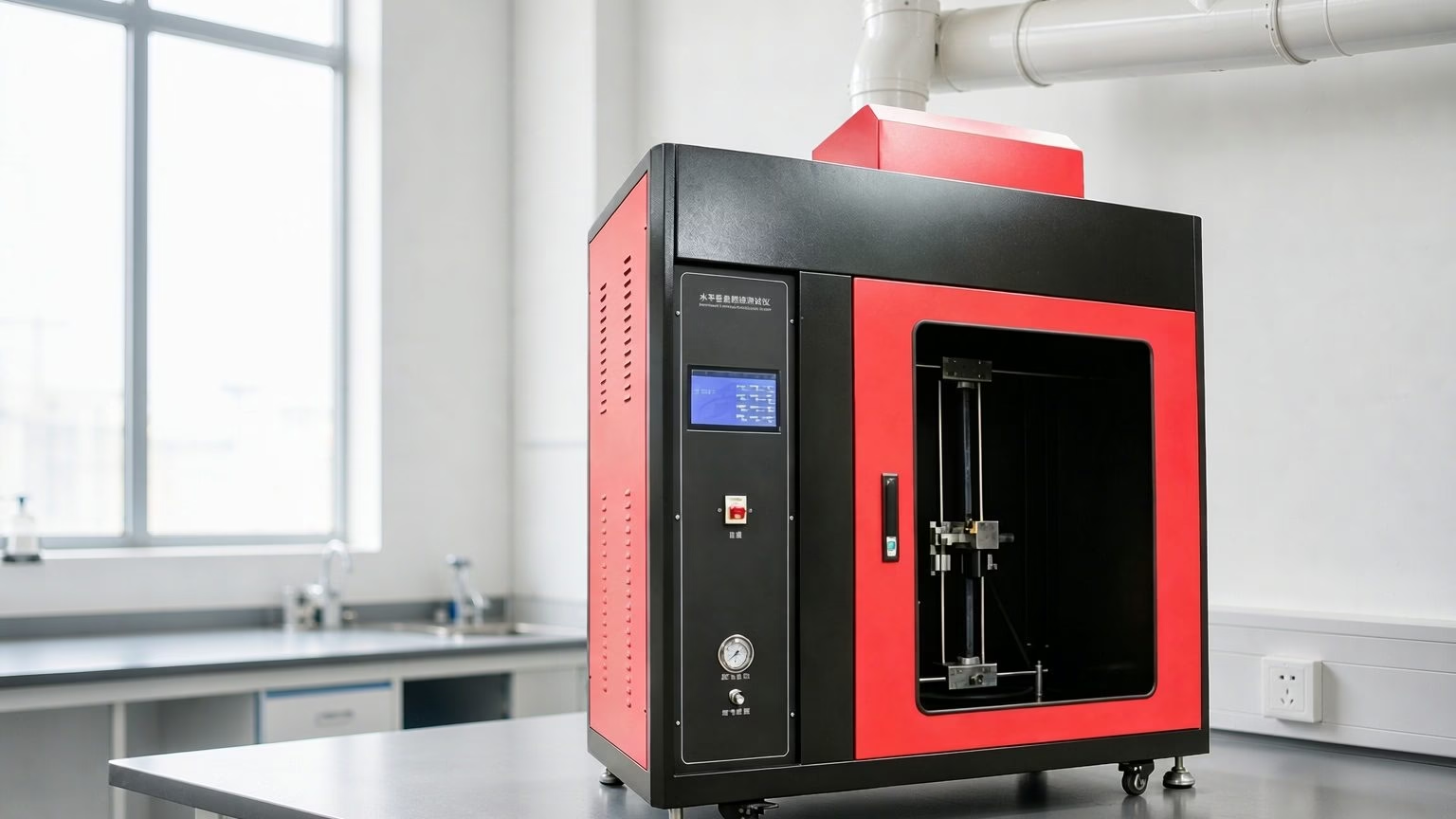
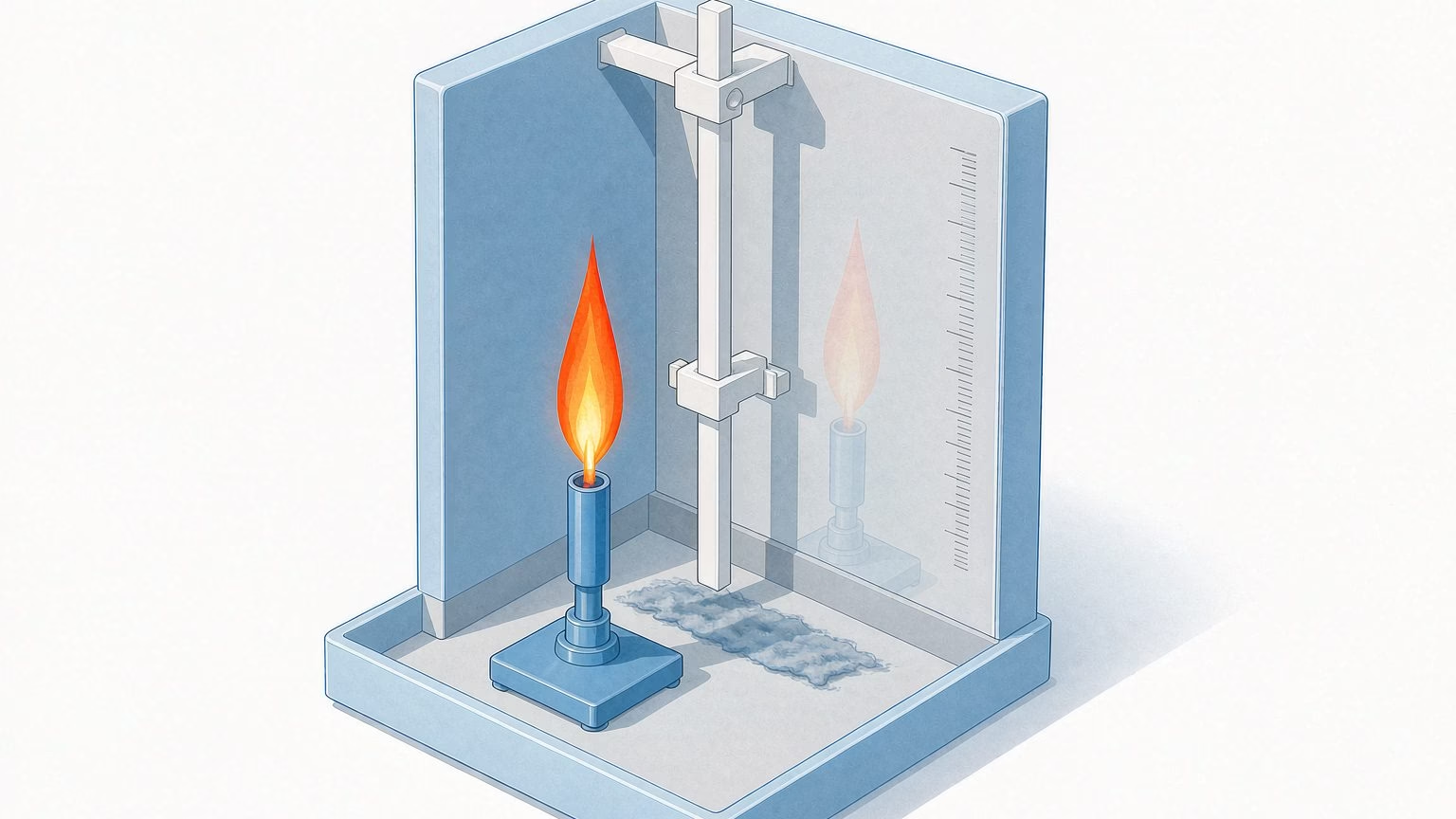
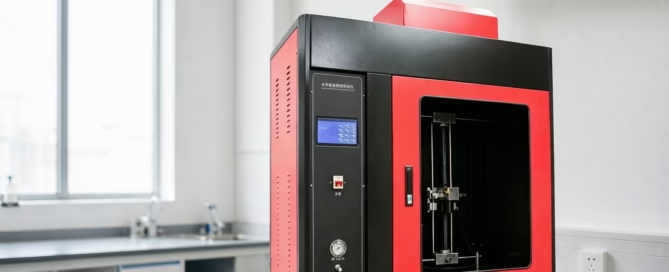
To select a flammability tester for plastics, work backwards from the certificate rather than forwards from the catalogue. This guide maps each obligation — a UL yellow card, an IEC CB report, an appliance glow wire requirement, a formulation study — to the governing method and the apparatus it needs: the 50 W horizontal and vertical cabinet for HB, V-0, V-1 and V-2; the 500 W arrangement for 5VA and 5VB; glow wire for GWFI and GWIT; needle flame for small parts; oxygen index and cone calorimeter for development. It explains why specimen form and thickness decide the quotation, sets out the six items to settle before asking for a price, and gives an eight-point acceptance checklist for a new machine.
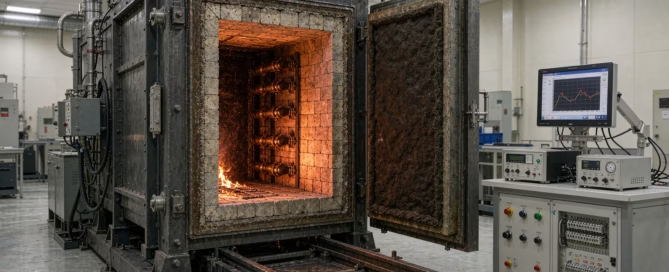
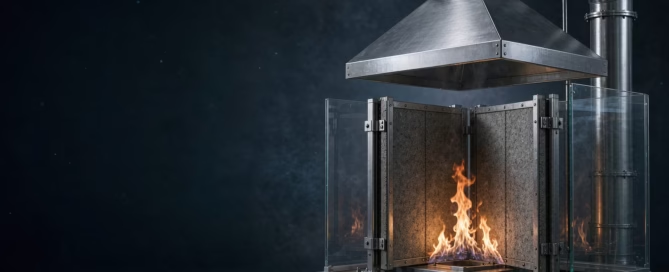
Fire Retardant Coating vs Fire Resistant Coating

The difference between a fire retardant coating and a fire resistant coating is the question each one answers. A retardant coating limits how fast fire spreads over a surface and earns a reaction-to-fire class under EN 13501-1 or a flame spread index under ASTM E84. A resistant coating protects a structural element for a stated period and earns a fire resistance rating under EN 13501-2, ASTM E119 or UL 1709. This guide sets the two test regimes side by side, explains why an intumescent coating has no rating of its own and is specified through section factor, dry film thickness and period, covers EN 13381-8 versus EN 13381-4, and lists the five specification errors that produce disputes.

Flame Spread Testing for Wall Coverings

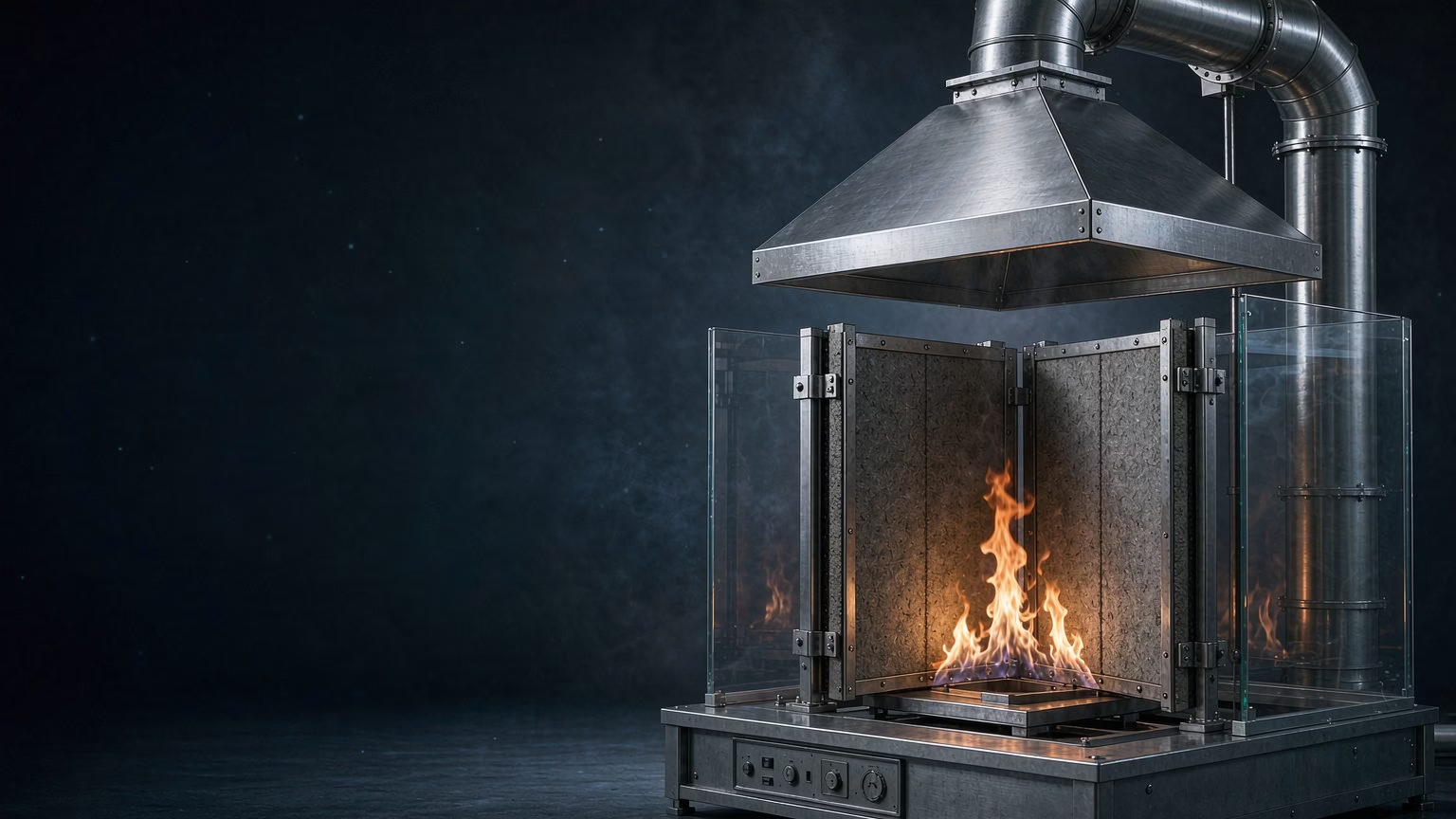
Flame spread testing for wall coverings is decided less by the facing than by what the facing is stuck to. This guide sets the four routes side by side — ASTM E84 in the Steiner tunnel, IN 13501-1 built from EN ISO 11925-2 e EN 13823, NFPA 286 in a full-scale room corner, and ISO 5658-2 on a vertical radiant panel for marine and transport work — and explains why their results cannot be swapped. It covers the substrate and adhesive as part of the specimen, how to read the s and d suffixes rather than just the main class letter, why an ASTM Class A is not a Euroclass B, what changes when the covering is thin, and which editions are current, including the withdrawal of EN 15102 e EN 13238.

Calibrazione dello spettrofotometro UV-Vis: Cosa dovrebbero sapere i laboratori

UV-Vis spectrophotometer calibration is not one holmium scan. It is five independent checks — wavelength accuracy, photometric accuracy and linearity, stray light, larghezza di banda spettrale, and baseline stability — each proved with a different certified reference and each carrying its own acceptance limit. This guide separates calibration from verification and qualification, shows why certified peak positions move with spectral bandwidth using the NIST SRM 2034 certificate values at 0.1, 1 E 3 nm, explains why ASTM E925 does not apply to instruments wider than 2 nm, compares the reference materials that actually prove each parameter, sets out interval logic against ILAC-G24 and intervention triggers, and lists the fields a calibration record needs to survive an audit.

Di |2026-10-30T11:22:57+08:00ottobre 30, 2026|Blog|0 Commenti

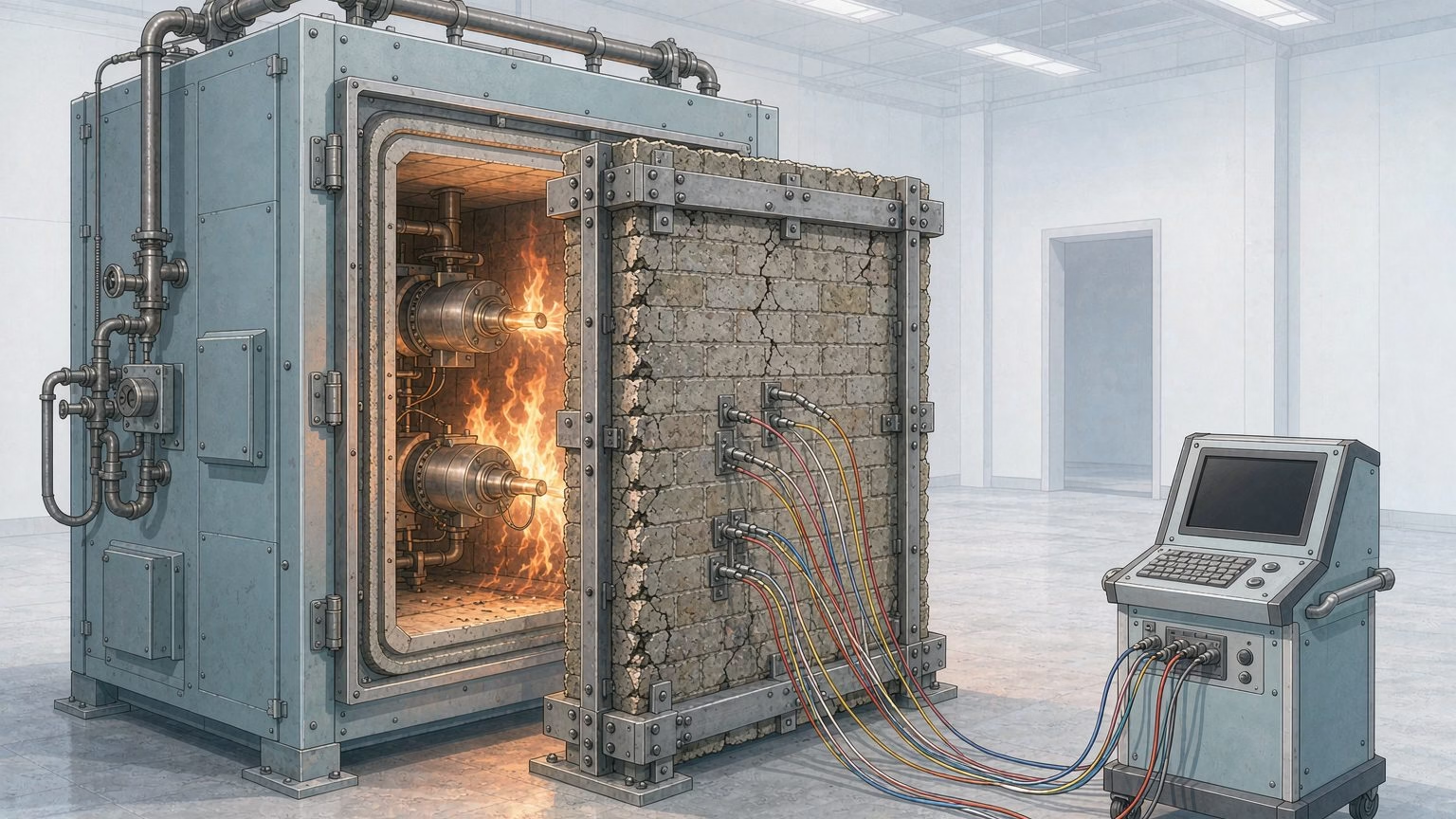
Spiegazione dei test di resistenza al fuoco ASTM E119

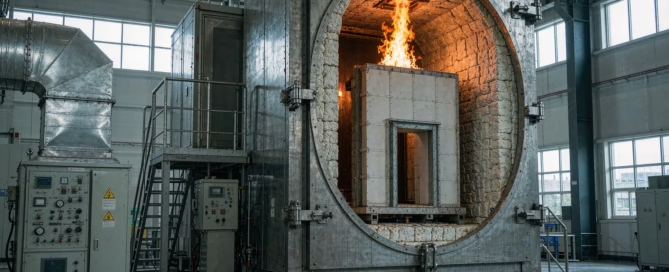
ASTM E119 is not one measurement but three, taken on the same specimen at the same time: the transmission of heat, the transmission of hot gases, and the load-carrying ability of a load-bearing element. For beams and columns the load measurement is made with consideration for the end support conditions, restrained or not restrained. This guide explains what the standard covers and where its scope is stretched, why the same member can produce two different ratings, why a rating belongs to a listed design rather than to a product, when the hose stream applies, and the three exclusions in the significance clause that leave smoke, other lengths and fire-damaged buildings outside the claim.

Di |2026-10-29T16:29:50+08:00ottobre 29, 2026|Blog|0 Commenti

A cosa serve il test antincendio SBI?

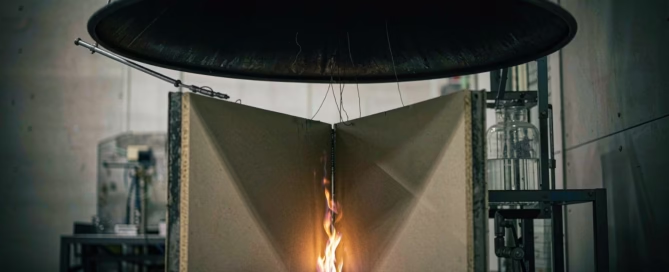
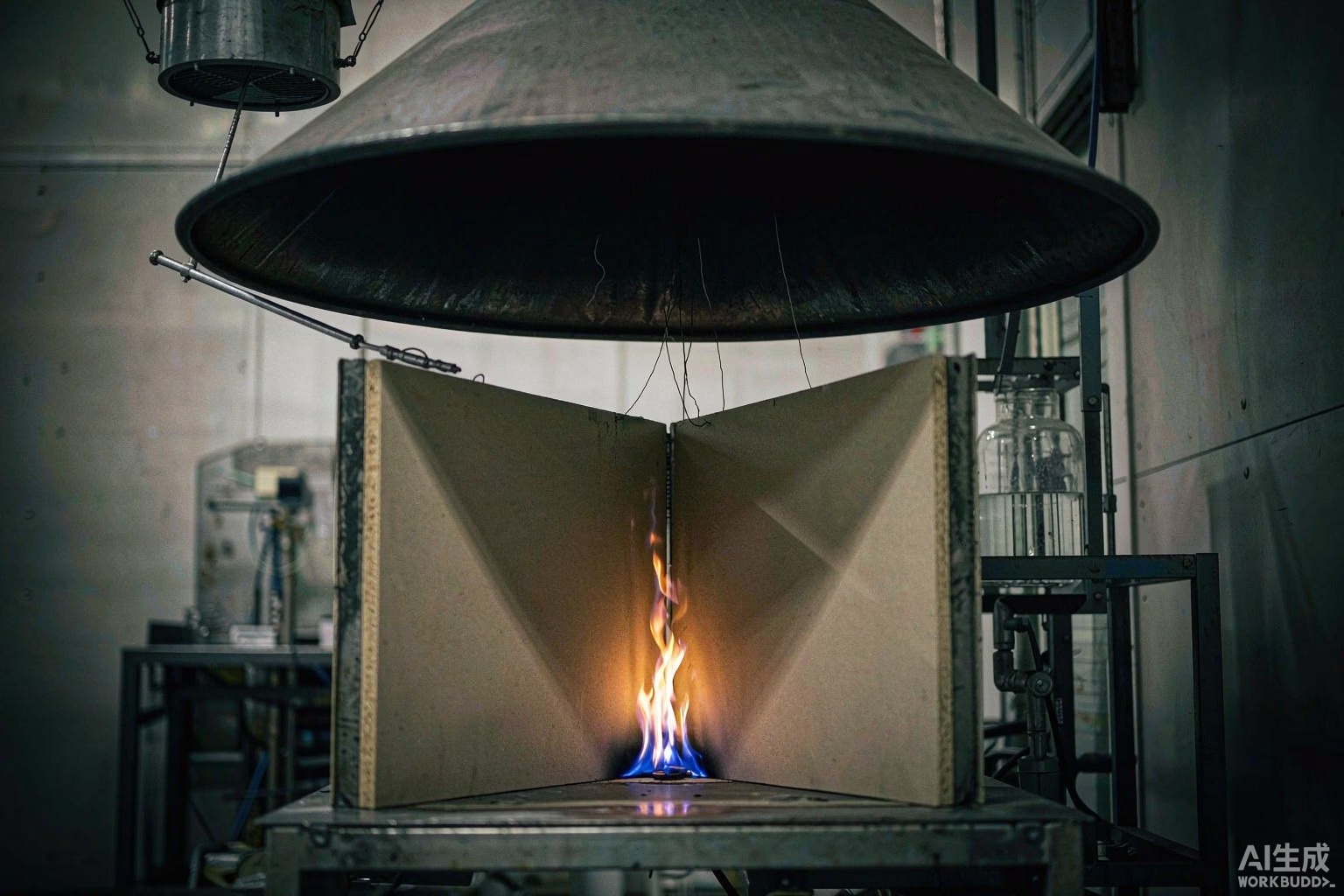
The SBI fire test is used to generate the reaction-to-fire data a construction product needs in order to be classified, and nothing more. One corner exposure produces FIGRA, THR600s, lateral flame spread, SMOGRA and TSP600s, e EN 13501-1 turns those into an A2, B, C or D class with smoke and droplet subscripts. This guide sets out who uses the result and for what decision, why the test is a late-stage confirmation rather than a development tool, which products are outside its scope, and why ASTM E84 could never replace it: the tunnel method states that it does not provide for the effect of aggravated flame spread caused by the proximity of combustible walls and ceilings.

Di |2026-10-29T16:29:46+08:00ottobre 29, 2026|Blog|0 Commenti

Prove di resistenza al fuoco per finestre tagliafuoco

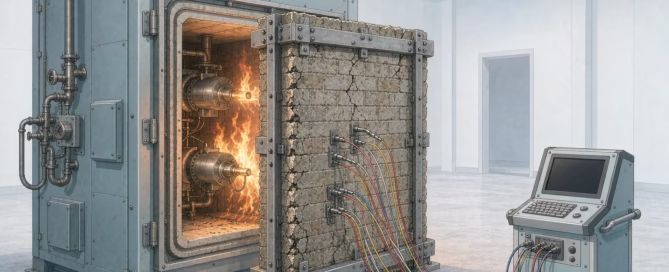
Fire resistance testing of a fire-rated window measures an assembly, not a pane of glass, and the assembly can pass with part of the glazing gone. UL 9 and NFPA 257 both permit loss of glass lights and through openings within specified limits, and UL 9 defines two separate furnace pressure conditions. This guide compares the European route of EN 1634-1 with the North American routes of UL 9 and NFPA 257, explains why heat flux and unexposed-face temperature are measured, maps glazing families to what usually ends the test, sets out the seven changes that void a report, and lists the three questions neither standard answers including smoke.

Di |2026-10-29T16:29:41+08:00ottobre 29, 2026|Blog|0 Commenti

How to Test Flame Retardant Plastics: An FR Programme

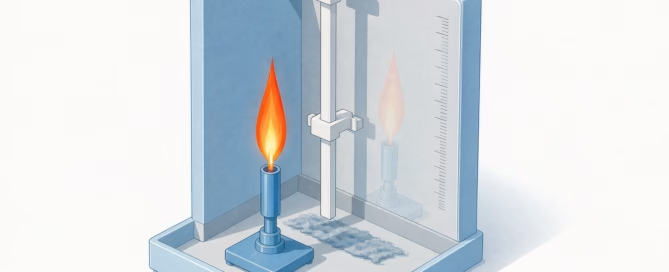
Testing a flame retardant plastic is not one test but a qualification argument that has to survive a change of thickness, a change of colour and a change of supplier. This guide sorts the standards by the question they answer rather than by their numbers: ASTM D1929 for ignition temperature, ASTM D635 and IEC 60695-11-10 Method A for horizontal burning, ASTM D3801 and Method B for the vertical classification, ASTM D5048 and IEC 60695-11-20 for the gated 500 W step, ASTM D2863 for the oxygen index and ASTM E1354 for heat release. It explains why the oxygen index and a UL 94 result routinely disagree, maps each flame retardant mechanism to the tests it tends to move, lists the formulation ranges the standards ask you to declare, and sets out seven records that make a rating transferable.

Di |2026-10-29T16:33:28+08:00ottobre 29, 2026|Blog|0 Commenti

Fire Testing Requirements for Plastic Electrical Components: Small Flame, Glow Wire and Tracking

A plastic part in electrical equipment is not asked to pass one fire test. It is asked to survive four ignition scenarios: a small external flame on the 50 W methods of IEC 60695-11-10, a larger flame on the 500 W method of IEC 60695-11-20, an internal fault flame on the needle-flame test, and an overheated part on the glow-wire family, with tracking handled separately by IEC 60112. This guide separates the end-product glow-wire test from the GWFI and GWIT material properties, explains why thickness is part of a flame classification, and lists what a material datasheet claim has to carry before it counts as a requirement.

What Is the Difference Between Fire Rating and Fire Resistance Rating?

A fire resistance rating is a defined quantity: minutes that an element of construction has held, under a standardised furnace fire, against loadbearing capacity, integrity and insulation, tested to ISO 834-1 or EN 1363-1 and classified by EN 13501-2. "Fire rating" is everyday shorthand that can mean a fire resistance rating, a reaction to fire Euroclass, a flame spread index, or nothing enforceable at all. This guide separates the two questions fire safety engineering keeps apart, compares the European and North American systems and their different temperature-rise limits, and shows what to write instead of the bare phrase before a document goes out.

Vai in alto