Interpretazione della norma

Fire Resistance Testing for Steel Structures: Key Requirements

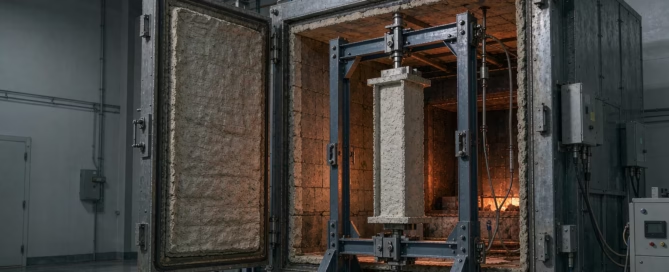
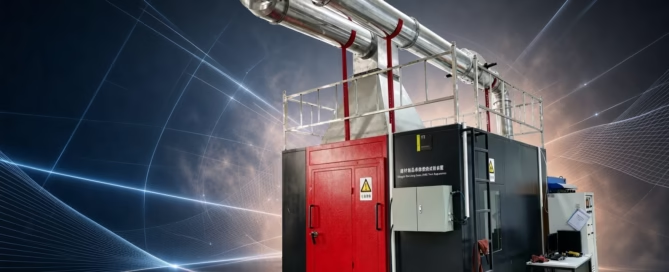
Fire resistance testing for steel structures produces a time rating for a protected member, not a property of the steel itself. That rating depends on the load ratio, the section factor, the protection type and the thickness applied, and it is extended to other sections by calculation in an assessment report. This guide sets out what an R 60 or R 90 rating actually describes, the three protection routes and the standard each one is assessed against, how a loaded furnace test is run, and the site changes that void a rating after it has been issued.

How to Test the Fire Performance of Building Insulation Materials

Testing the fire performance of building insulation is not a single test, and which test decides the result depends on the product. Mineral wool is settled by non-combustibility and calorific potential; EPS and PIR are settled by the SBI and the small-flame test; foil-faced boards are settled by their facings. This guide maps the four reaction-to-fire methods behind a Euroclass, the criteria that decide each class, and the three tests that sit outside the classification system, including ASTM E84 for North America and NFPA 285 for facade assemblies. It also covers pipe insulation's separate L classes, the specimen preparation errors that cause most retests, and the seven fields a test report must state before a class can be quoted in a tender.

Fire Resistance vs Flame Retardancy: What Is the Difference?

Fire resistance and flame retardancy are two different properties, measured by two different families of tests, and one never implies the other. Fire resistance is a time-based rating of a loaded assembly inside a furnace, classified under EN 13501-2. Flame retardancy describes how a material responds to a defined ignition source, classified under EN 13501-1 or screened with UL 94. This guide sets the two side by side: which standards govern each, what a report line actually proves, how a steel column and a fire-resistant cable end up carrying both kinds of evidence, where flame-retardant claims break down in service, and the four questions to answer before writing a fire requirement.

Fire Retardant Coating Testing: Methods and Equipment

Fire retardant coating testing is not one test. It is a family of methods that answer three different questions: whether a protected steel member still holds its fire resistance, how the coating itself behaves when it burns, and whether a formulation passes a fast screening check. This guide sets out the six methods that carry most commercial approvals, including EN 13381-8 for reactive protection to steel, ASTM E119 and ISO 834 furnace work, cone calorimeter and SBI reaction-to-fire routes, and the small-scale tests used before either. It also covers the equipment each route needs, how to read a test report, and the preparation errors that void otherwise good results.

Che cos'è un test di resistenza al fuoco e perché è importante?

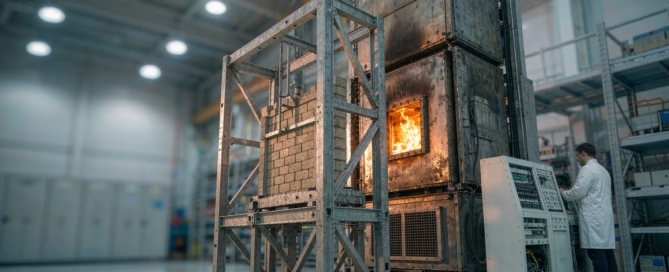
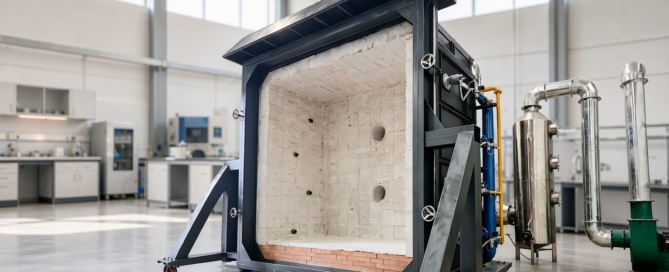
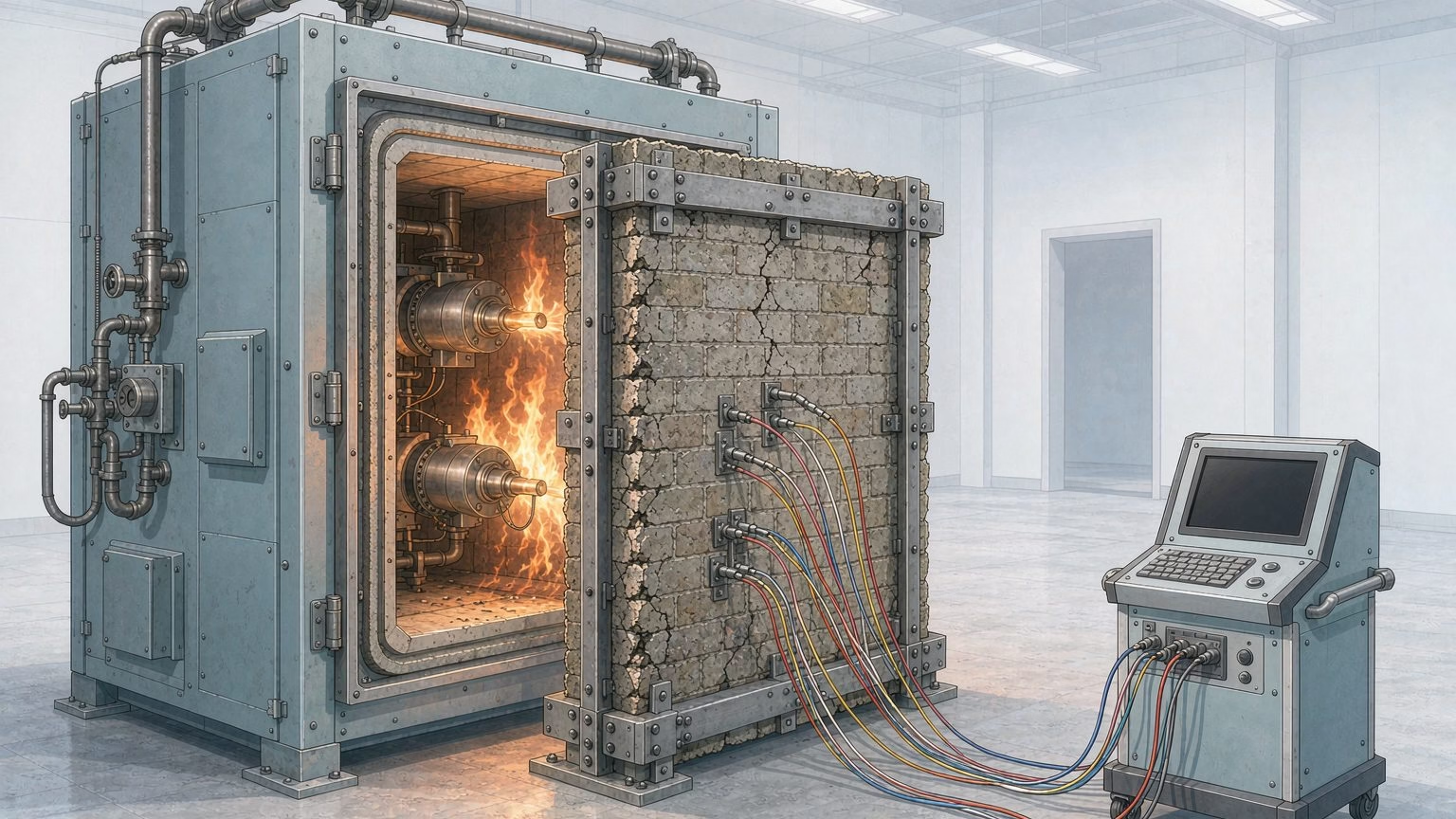
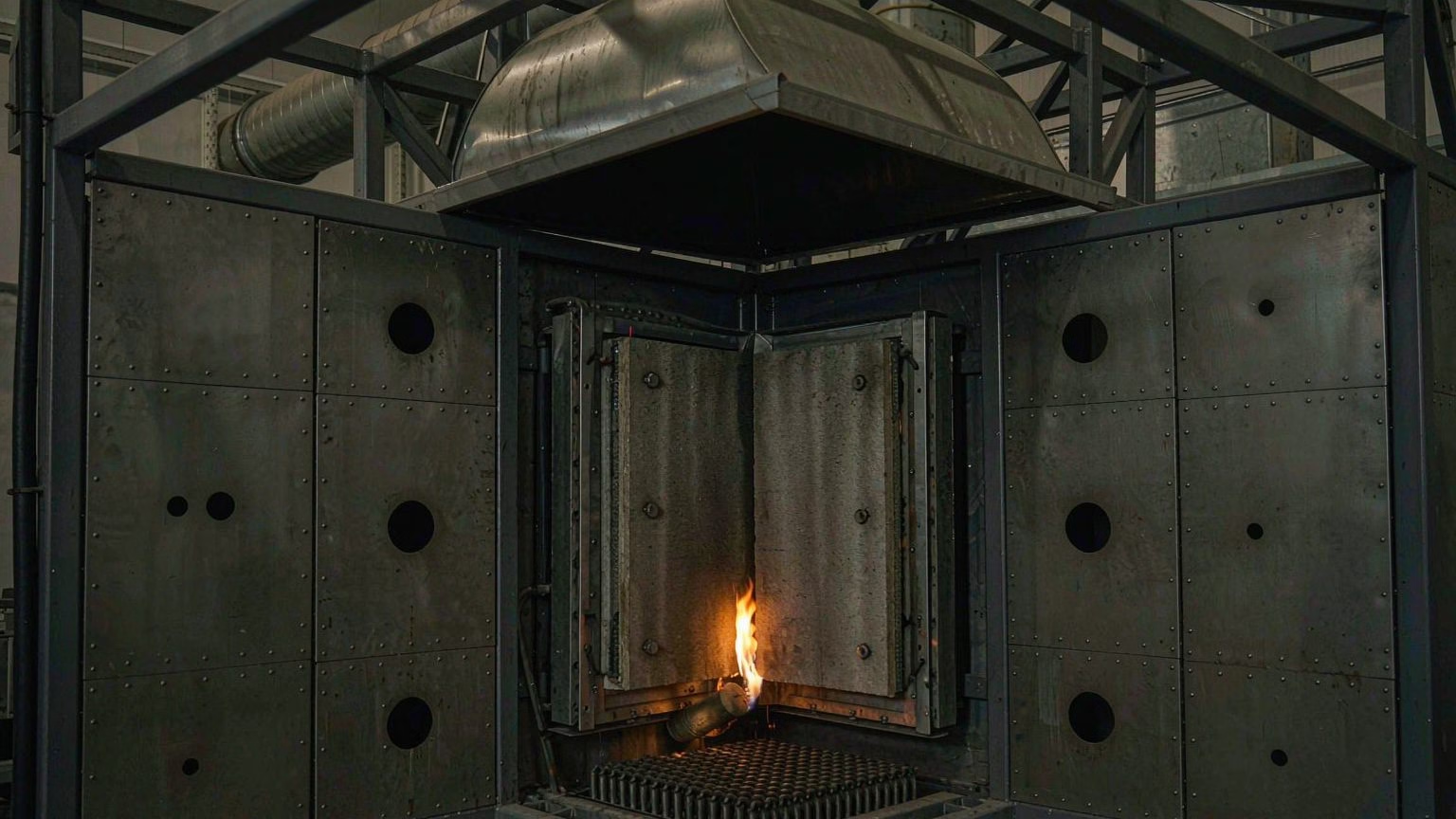
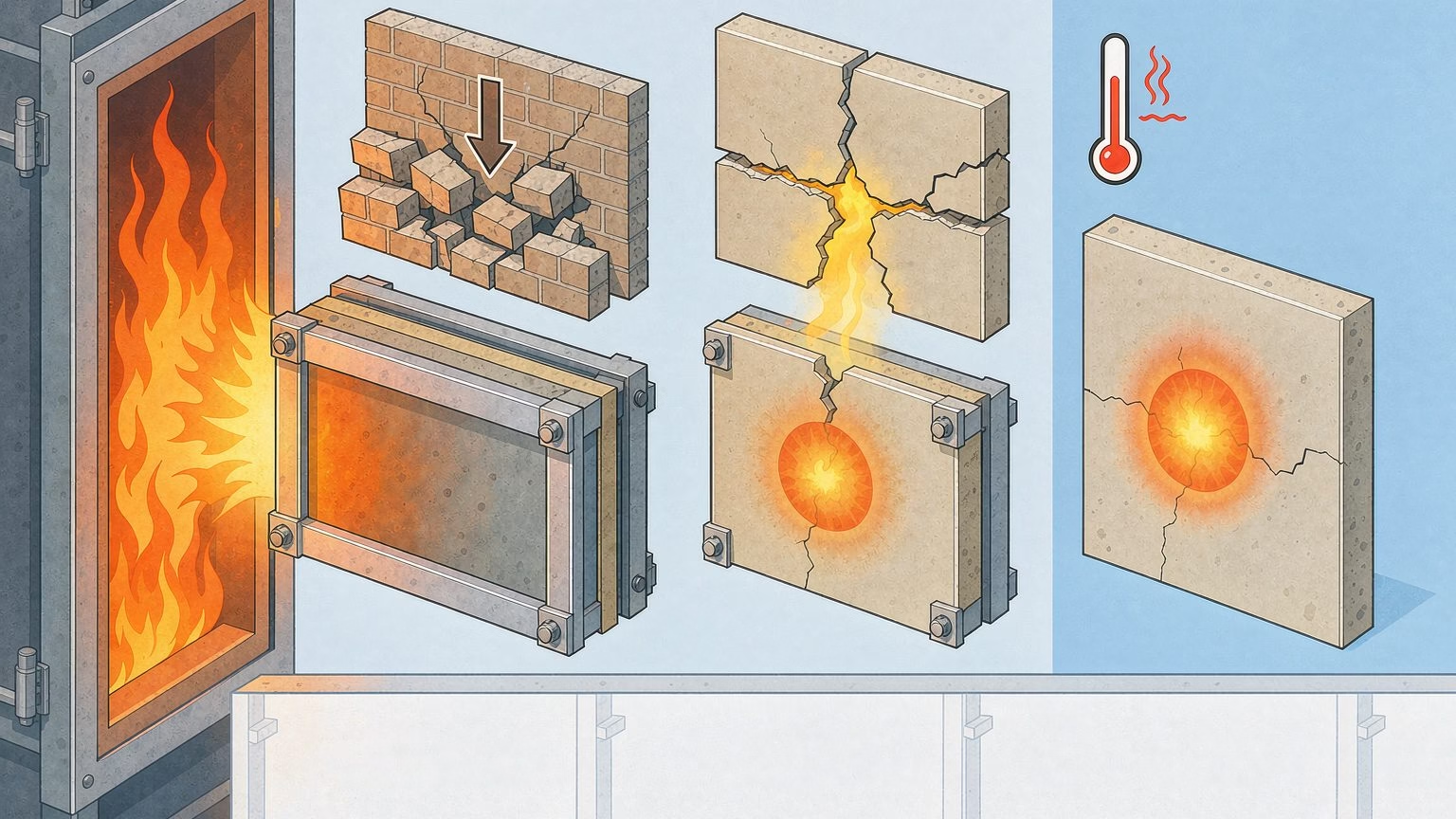
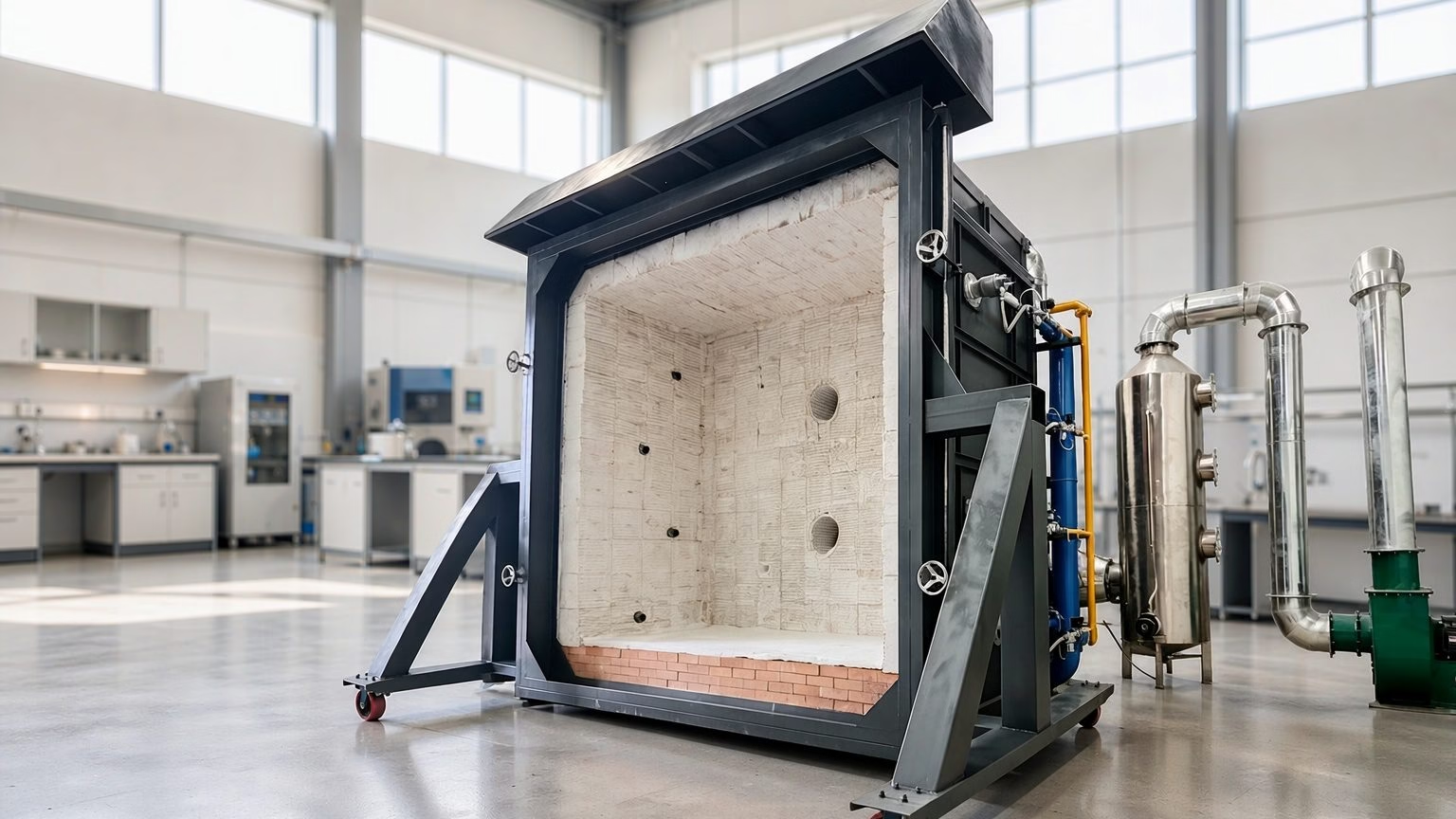
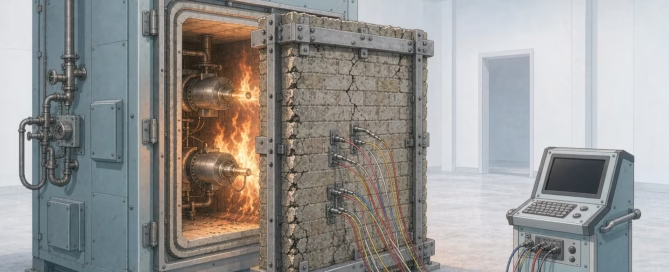
Un test di resistenza al fuoco misura per quanto tempo un elemento costruttivo continua a svolgere il suo lavoro mentre viene bruciato. L'elemento è montato in un forno, caricato dove è portante, e riscaldato lungo una curva tempo-temperatura standard finché non cede alla capacità portante (R), integrità (E) o isolamento (IO). Il risultato è una valutazione del tempo in minuti, non un voto positivo o negativo. Questa guida spiega cosa misura il test, come vengono giudicati i tre criteri, come la resistenza al fuoco differisce dalla reazione al fuoco, quali norme riguardano le pareti, porte e cavi, perché ISO 834-1:2025 è importante per chiunque legga una scheda tecnica, e come scegliere una configurazione del forno che corrisponda all'elemento che stai per testare.

UL 94 Test di infiammabilità: HB, V-0, Spiegazione di V-1 e V-2

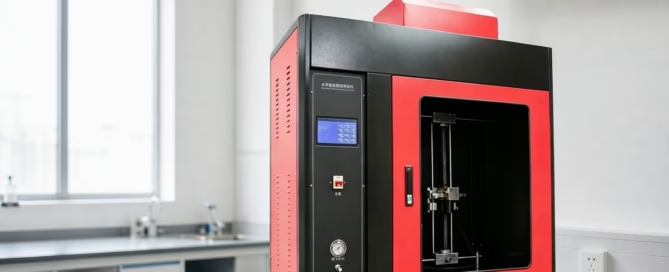
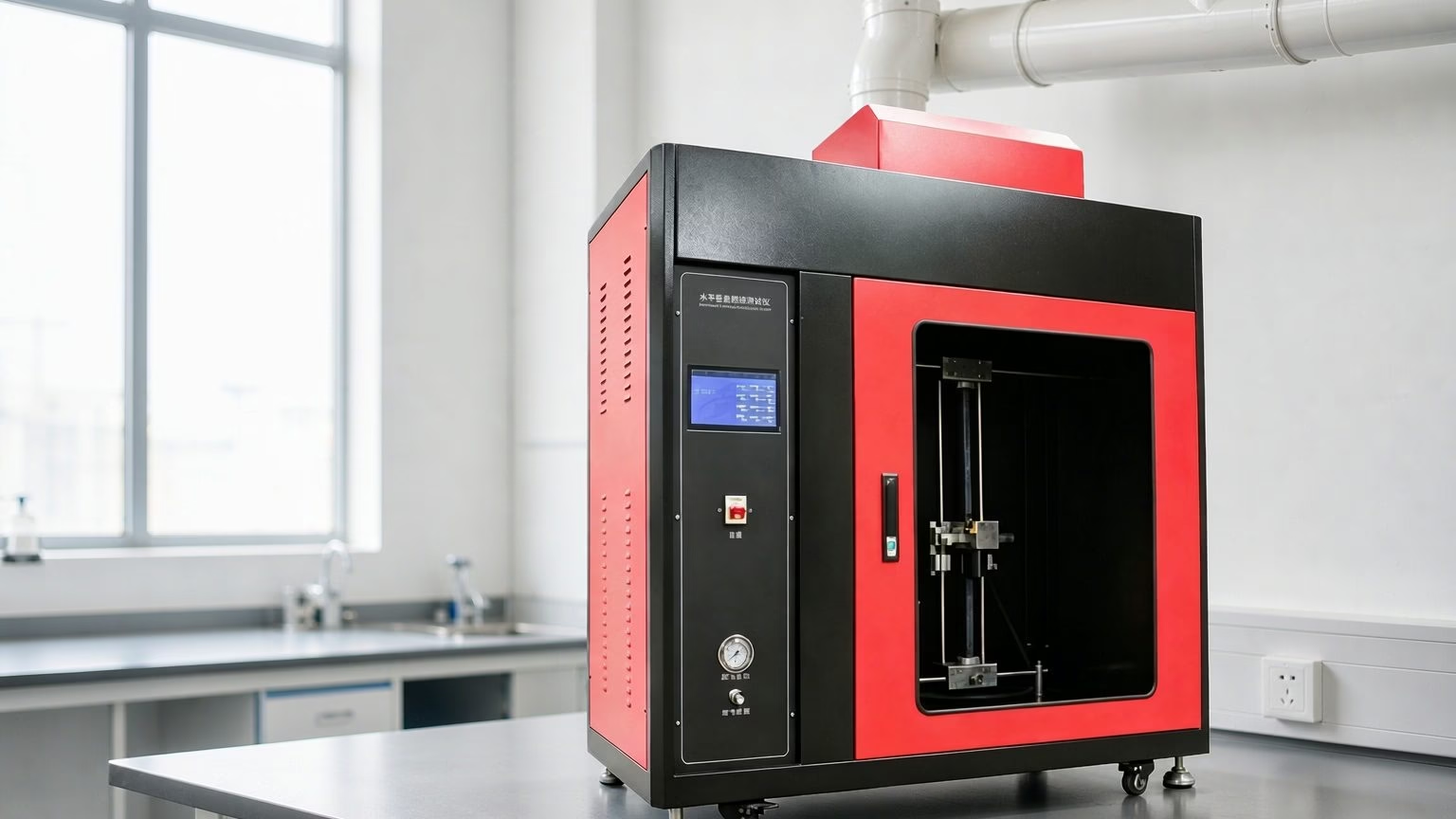
UL 94 i test di infiammabilità misurano il comportamento di una plastica quando viene applicata una piccola fiamma, e riporta il risultato come una delle dodici valutazioni. Le due famiglie che la maggior parte degli ingegneri incontra sono la classificazione HB orizzontale e la V verticale-0, Classificazioni V-1 e V-2. Sono prodotti da diversi orientamenti del campione, diverse applicazioni della fiamma e diversi criteri di superamento, e l'unica differenza tra V-1 e V-2 è se una goccia che cade accende il cotone posto sotto il campione. Questa guida definisce il tempo di combustione pubblicato, criteri di postluminescenza e gocciolamento per ciascuna valutazione, spiega come il condizionamento e lo spessore influiscono sul risultato, e mappe UL 94 ai suoi equivalenti IEC e ASTM.

Procedura di prova di resistenza al fuoco per materiali da costruzione

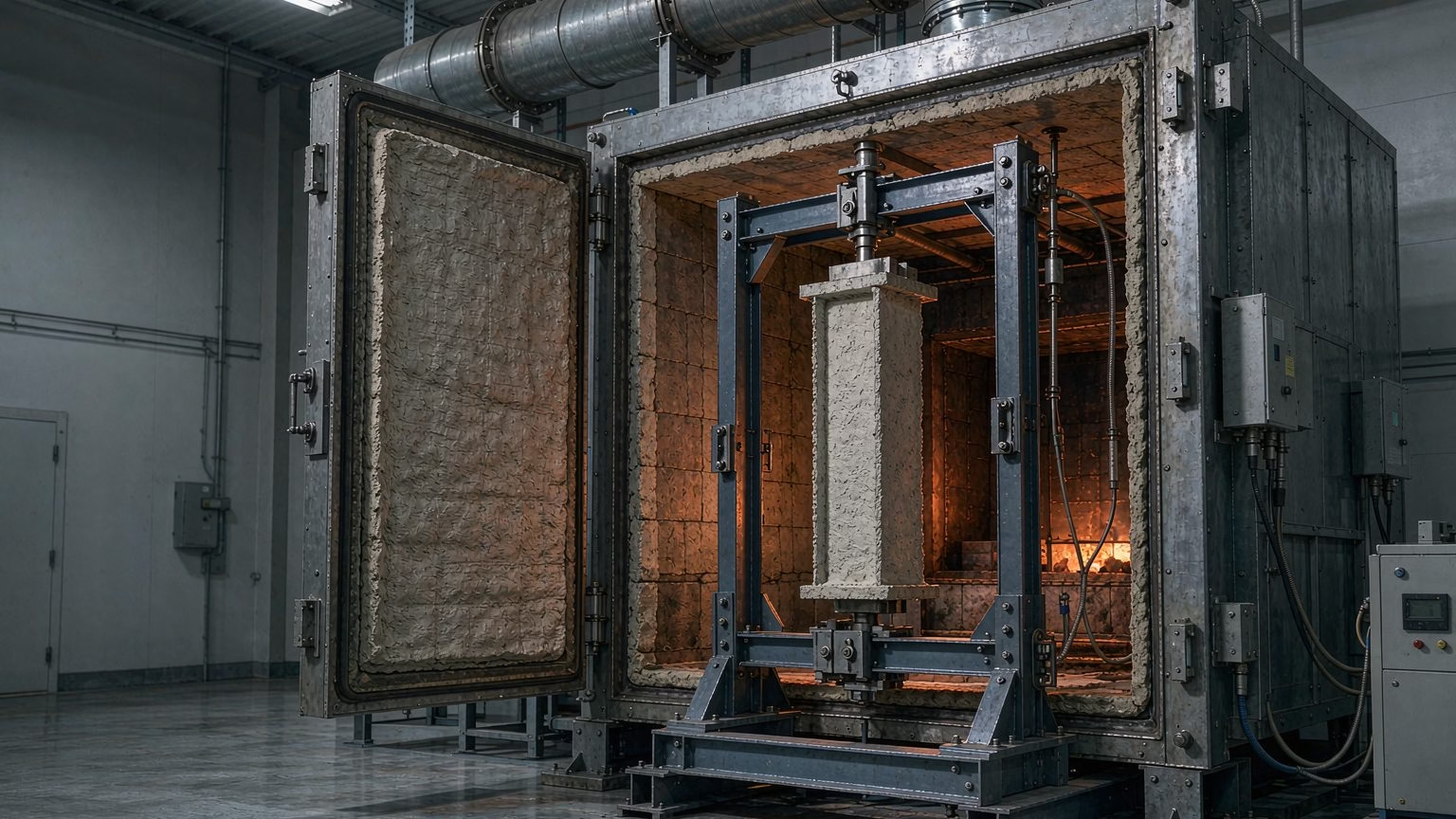
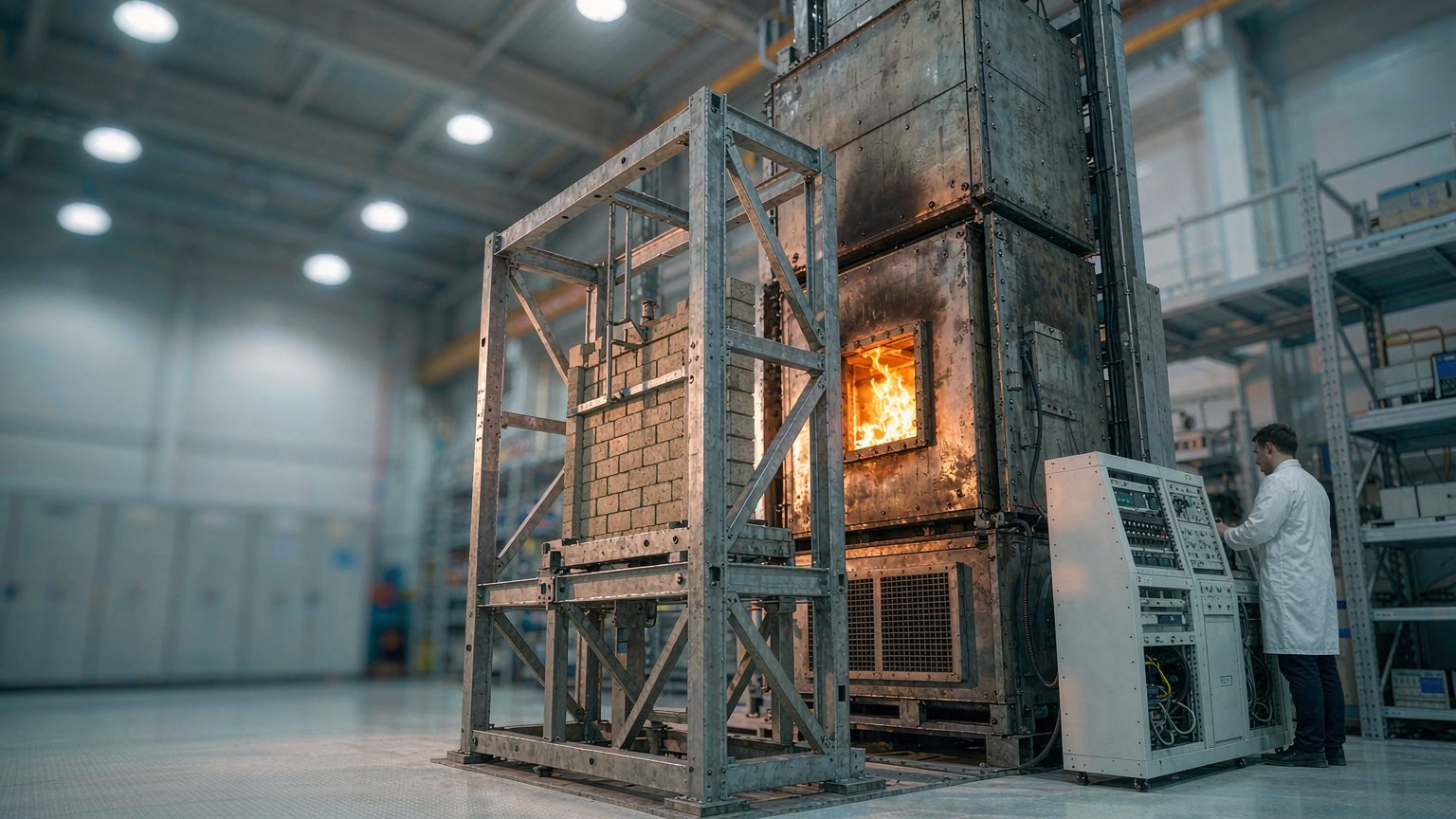
Una procedura di prova di resistenza al fuoco è una prova in forno su vasta scala: un elemento di costruzione è integrato in un telaio di contenimento, caricato se è portante, riscaldato lungo una curva tempo-temperatura standard, e monitorato finché non fallisce uno dei tre criteri o sopravvive al periodo di esposizione richiesto. I tre criteri sono la capacità portante (R), integrità (E) e isolamento (IO). Questa guida illustra la procedura nell'ordine in cui viene eseguita dal laboratorio - le curve di incendio standard, le fasi di campionamento e condizionamento, la strumentazione che decide il risultato, le soglie esatte di superamento e fallimento, le parti specifiche dell'elemento della EN 1364, IN 1365, IN 1634 e EN 13381, e le regole di calibrazione e applicazione diretta che decidono fino a che punto può essere utilizzato un singolo risultato del test.

Prova di non combustibilità (ISO 1182): Criteri e apparati

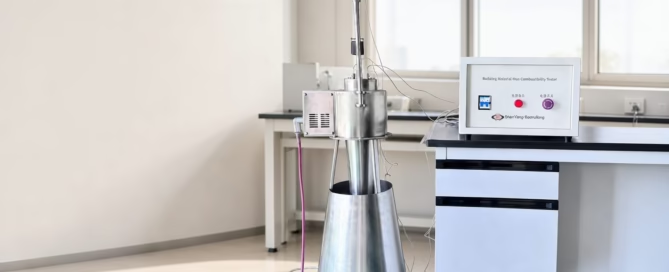
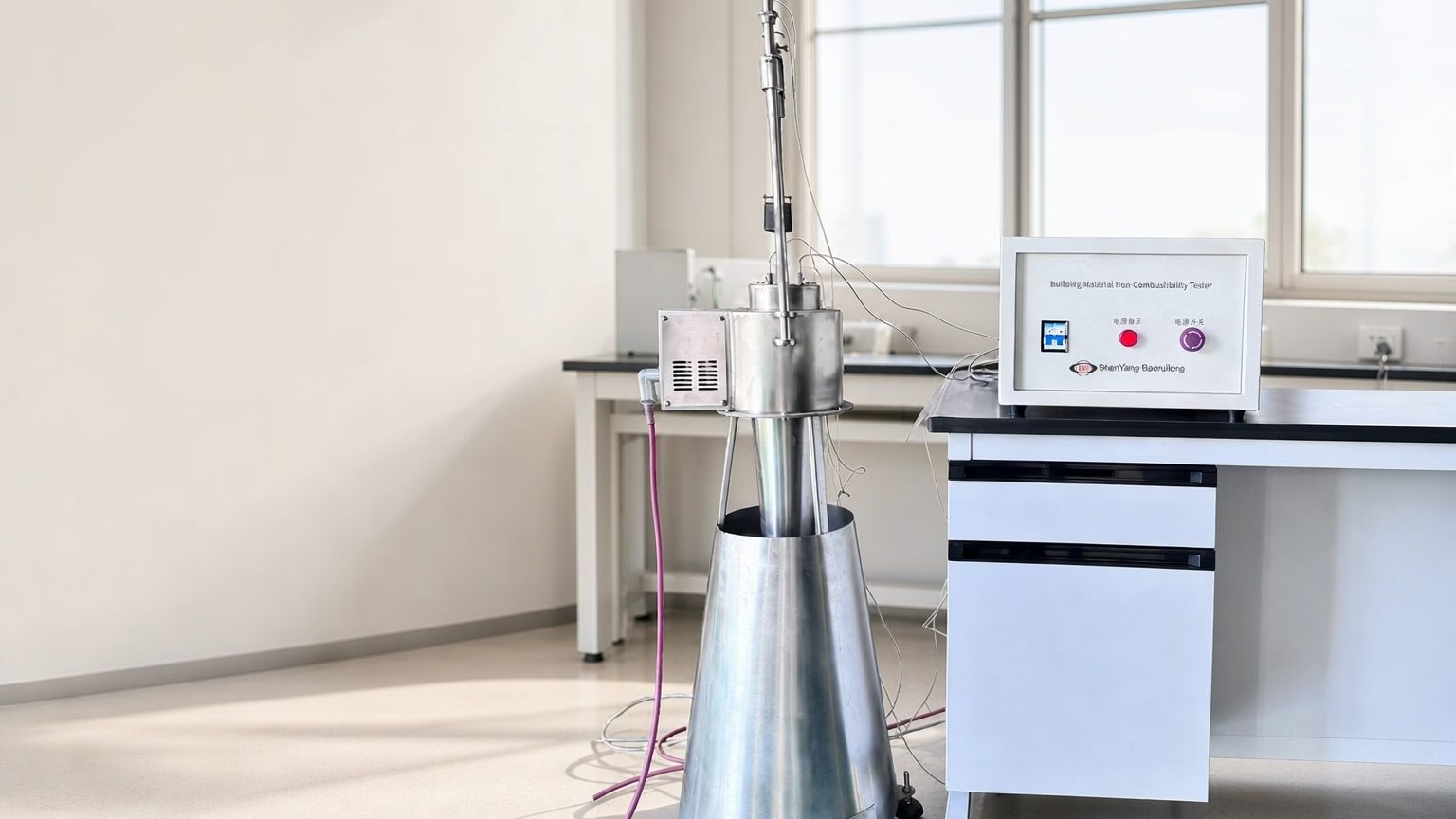
Il test di non combustibilità decide se un materiale può essere dichiarato non combustibile. Questa guida copre il 750 Procedura del forno C, i criteri di superamento utilizzati in Europa, America del Nord, La Cina e il lavoro marittimo, e come specificare un apparato che rispetti ancora le edizioni oggi in vigore.

Prove di reazione al fuoco: I quattro test dietro EN 13501-1

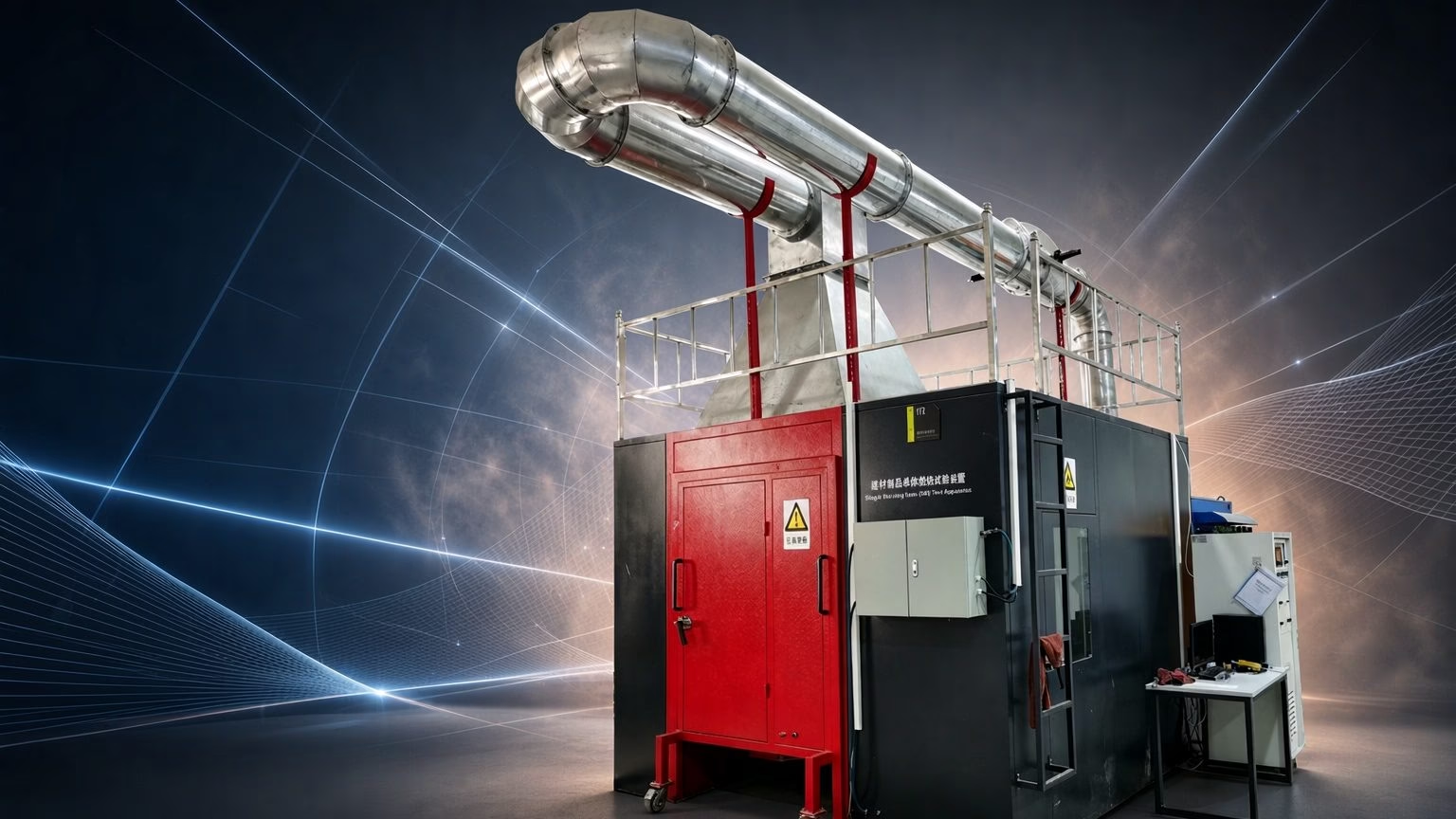
Spiegazione della reazione al fuoco: i quattro EN 13501-1 test, la classe di cui ogni percorso ha bisogno, e le apparecchiature BRT per EN ISO 1182, 1716, 11925-2 e EN 13823.

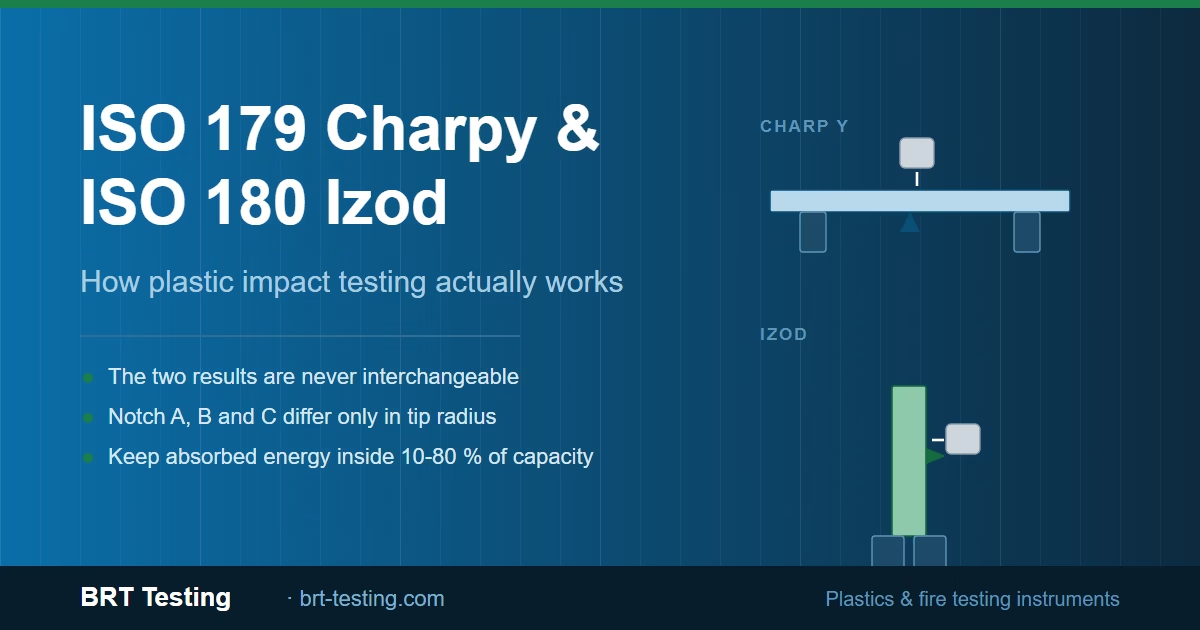
ISO 179 Charpy e ISO 180 Izod: Come funzionano effettivamente i test di impatto sulla plastica

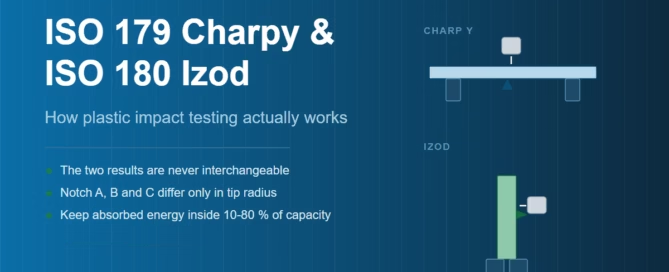
ISO 179 è il metodo Charpy per materie plastiche e ISO [...]

Vai in alto