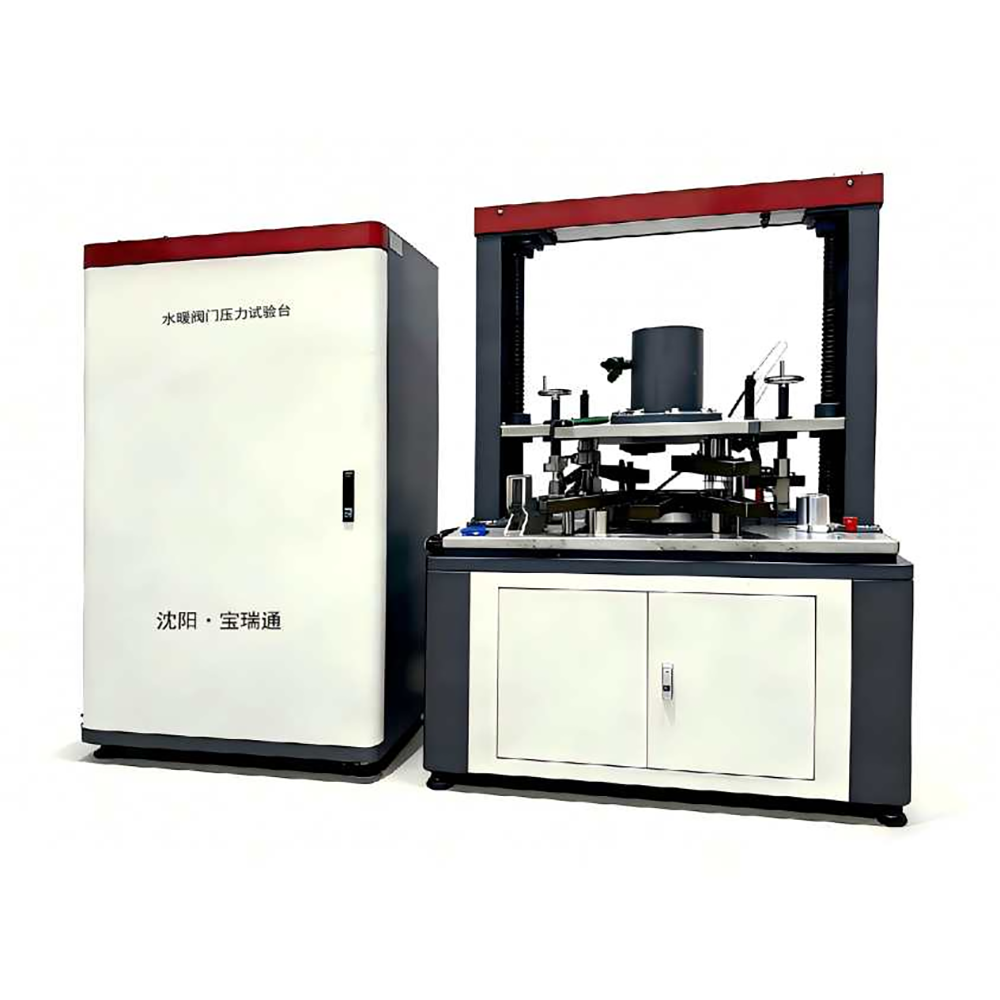
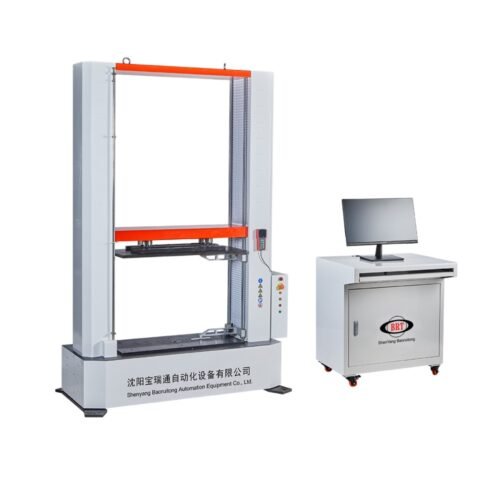
The Hydraulic & Plumbing Valve Pressure Test Bench (DN200 / 6.3 MPa) is an advanced quality-control testing station engineered strictly in accordance with API 598, ISO 5208, EN 12266-1, and GB/T 13927 standards. Designed for valve manufacturers, HVAC plumbing reconditioning facilities, and municipal pipe-fitting inspection centers, it evaluates structural shell strength, high-pressure liquid seat leakage, low-pressure gas tightness, and stem-to-bonnet backseat sealing for valves and fittings up to DN200 (8″).
Featuring dual connection versatility for both female-threaded and flanged valve ends, this high-efficiency Valve Pressure Test Bench accommodates a wide pressure testing range from 0 to 6.3 MPa (0 to 63 bar). Driven by an energy-saving 0.75 kW power unit paired with pneumatic-hydraulic booster circuits, the bench delivers rapid pressurization and stable holding cycles within a compact production-line footprint (2600 × 700 × 1800 mm).
Valve Pressure Test Bench Compliance & Standards
This multi-mode hydraulic test rig enables certified quality assurance laboratories and assembly plants to execute standardized pressure compliance tests across global industry codes:
| Standard Code |
Standard Title & Scope |
Primary Testing Application |
| API 598 |
Valve Inspection and Testing — American Petroleum Institute Standard |
Benchmark testing for shell strength, high/low pressure seat closure, and backseat tightness |
| ISO 5208 / EN 12266-1 |
Industrial valves — Pressure testing of metallic valves & European testing requirements |
Global standard for hydrostatic body tests, pneumatic seat tightness, and leakage rate acceptance |
| GB/T 13927 |
Industrial valves — Pressure testing |
National standard governing shell strength and sealing verification for plumbing and industrial valves |
Technological Features of Valve Pressure Test Bench
- Dual Connection Versatility (Flanged & Threaded Ends)Engineered with flexible clamping adapters to seal female-threaded valves, flanged-end valves, elbows, tees, and pipe segments up to DN200 (8″) without structural strain.
- Wide Hydrostatic & Pneumatic Testing Range (0 to 6.3 MPa)Delivers precise pressure control from 0 to 6.3 MPa (0 to 63 bar) using water (with anti-rust additives) for high-pressure strength tests and compressed air for low-pressure gas tightness checks.
- Energy-Efficient Pneumatic-Hydraulic Booster CircuitConsumes only 0.75 kW total electrical power while leveraging pneumatic booster technology for fast fluid fill, rapid pressure buildup, and leak-free pressure holding.
- Comprehensive Multi-Mode Inspection ScopeCapable of performing complete safety routines, including shell hydrostatic strength tests, high-pressure liquid seat leakage tests, low-pressure air tightness checks, and stem backseat sealing tests.
- Compact Production Line FootprintDesigned with overall dimensions of 2600 × 700 × 1800 mm, allowing effortless integration into QA testing cells, valve manufacturing assembly lines, or workshop maintenance bays.
Technical Specifications of Valve Pressure Test Bench
| Product Model / Category |
Hydraulic & Plumbing Valve Pressure Test Bench (DN200) |
| Testing Pressure Range |
0 to 6.3 MPa (0 to 63 bar) Precision Adjustable |
| Maximum Specimen Diameter |
Up to DN200 (8″) Nominal Bore Size |
| Compatible Valve Connection Ends |
Female Threaded Ends & Flanged Ends |
| Testing Media |
Water (with anti-rust inhibitor) / Clean Compressed Air |
| Power Supply & Rating |
380V AC, 3-Phase, 50 Hz / 60 Hz; Power Consumption: 0.75 kW |
| Overall Dimensions (L × W × H) |
2600 mm × 700 mm × 1800 mm |
| Governing Test Standards |
API 598, ISO 5208, EN 12266-1, GB/T 13927 |
Inspection Modes & Testing Capabilities
The bench provides comprehensive multi-mode testing protocols for complete quality assurance:
- Shell Hydrostatic Strength Test: Verifies the pressure-containing capability of valve body castings, forgings, and bonnet joints under 1.5× nominal pressure.
- High-Pressure Liquid Seat Leakage Test: Evaluates internal closure performance between the valve disc and seat ring using pressurized liquid to measure bubble or droplet leakage rates.
- Low-Pressure Gas Tightness Test: Uses low-pressure compressed air (typically 0.6 MPa) to detect micro-porosity and sealing failures under gaseous conditions.
- Backseat Sealing Test: Evaluates the stem-to-bonnet backseat seal when the valve is fully open, ensuring safety under line pressure during stem packing maintenance.
- Pipe Fitting Pressure Checks: Suitable for evaluating structural pressure integrity for pipe segments, elbows, tees, and commercial plumbing fittings.
Testing Workflow & Target Applications
Standardized Testing Workflow:
- Mount the target valve or pipe fitting onto the clamping unit using the appropriate threaded or flanged adapter plates.
- Engage the hydraulic clamping system to secure a leak-free seal across the connection faces.
- Select the desired test mode (Hydrostatic Shell Test or Pneumatic Seat Leak Test) on the central control panel.
- Initiate fluid fill and pressure buildup via the 0.75 kW pneumatic-hydraulic booster system until reaching the target setting (up to 6.3 MPa).
- Hold pressure for the standard-specified duration (e.g., API 598 holding time), monitor for pressure drops or visible leakage, and relieve system pressure safely.
Target Customer Applications:
- Industrial gate, globe, check, ball, and butterfly valve manufacturers.
- Commercial HVAC plumbing equipment and pipe fitting assembly plants.
- Oil & gas refinery valve maintenance, repair, and reconditioning facilities.
- Third-party pipeline component quality inspection stations and testing labs.
Valve Pressure Test Bench FAQ
Q1: What types of valves and fittings can be tested on this bench?
A: It is designed for female-threaded and flanged valves up to DN200 (8″), including gate, globe, check, ball, and HVAC/plumbing valves. It also tests structural pressure integrity for pipe segments, elbows, tees, and standard plumbing fittings.
Q2: How does the system handle both liquid strength and gas tightness tests?
A: The system incorporates dual-fluid testing circuits. High-pressure liquid (water with rust inhibitor up to 6.3 MPa) is routed for shell strength and seat leakage tests, while a low-pressure compressed air line is selected for micro-leak gas tightness testing.
Q3: What makes the pneumatic-hydraulic booster circuit advantageous?
A: The pneumatic-hydraulic booster design allows the bench to generate high hydraulic pressures up to 6.3 MPa while keeping power consumption extremely low at just 0.75 kW. It provides smooth pressurization and stable holding cycles without continuous motor strain.

Reviews
There are no reviews yet.