Hakkında cesurzoeyj@gmail.com

This author has not yet filled in any details.
So far cesurzoeyj@gmail.com has created 71 blog entries.

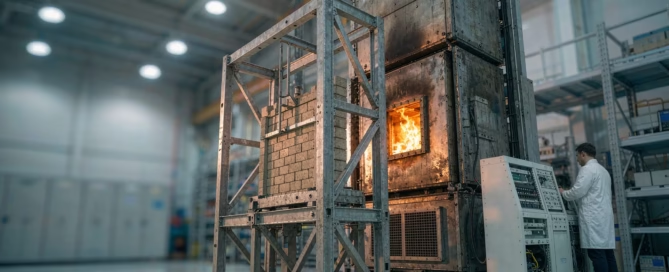
How to Test Fire Resistance of Fire Doors

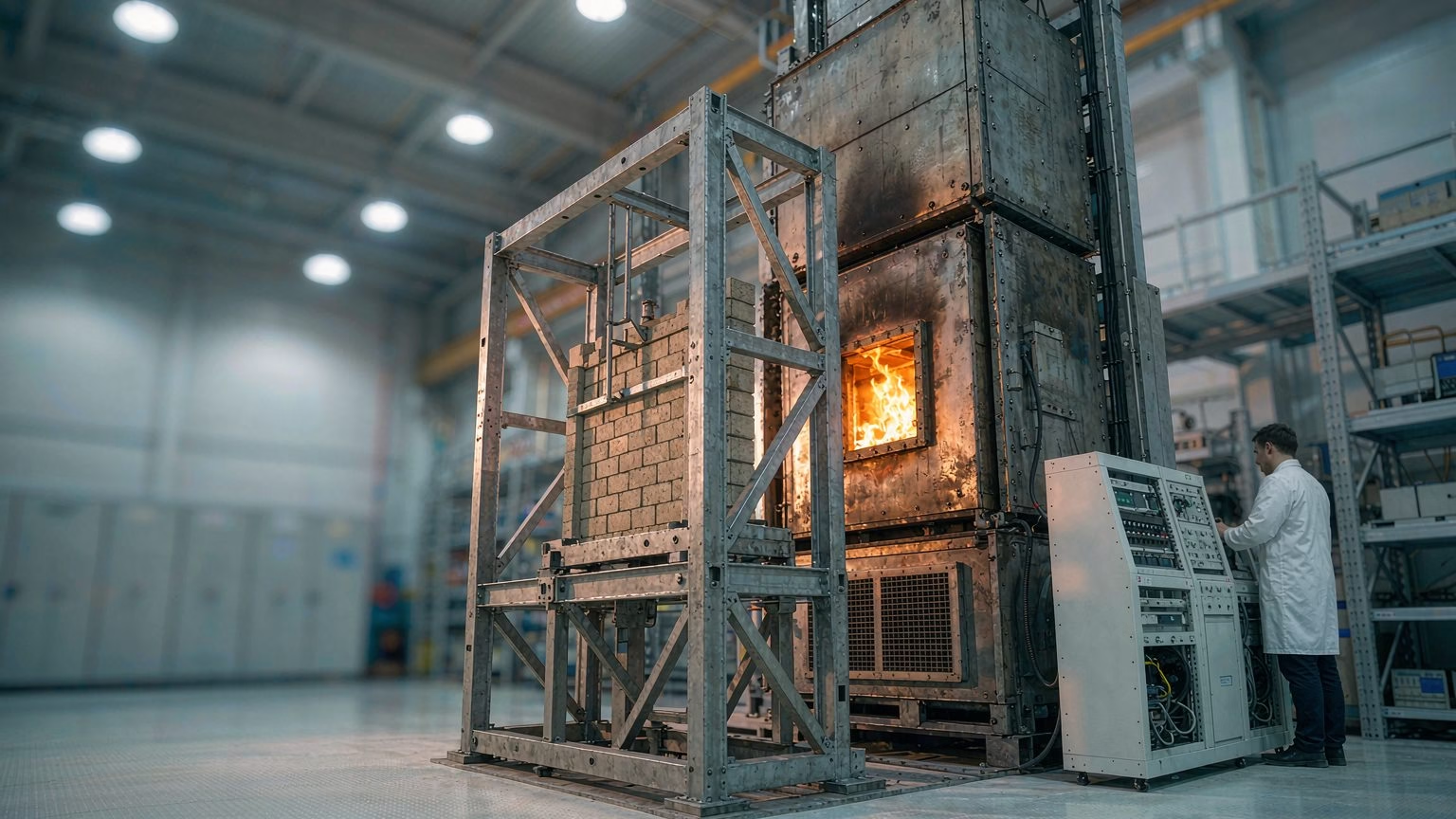
A fire door is not tested as a leaf; it is tested as a doorset, mounted full size in a furnace wall and heated on the standard curve until one of the criteria is lost. This guide walks through the seven steps of a fire door fire resistance test, the standards you choose by market and the editions that are current right now, how the specimen has to match production, which instruments decide the result, what the E, BEN, K, S and C criteria actually mean, and the failure modes that account for most failed runs.

İle |2026-10-27T13:41:28+08:00Ekim 26, 2026|Standardın Yorumlanması|0 Yorumlar

UV-Vis Spectrophotometer Applications in Quality Control

In a quality control laboratory a UV-Vis spectrophotometer is not judged by its specification sheet but by whether its results survive an audit. This guide sets out the four workflows that dominate QC work, the measurement parameters that decide whether a result is defensible, how wavelength and photometric accuracy are verified against a traceable reference material, what analytical validation and system suitability require of a UV-Vis method, and the operational qualification checks to run before a instrument is released for routine use.

İle |2026-10-27T13:41:23+08:00Ekim 26, 2026|Blog|0 Yorumlar

Single Burning Item Testing for Facade Materials

Single burning item testing is the route to a Euroclass for most cladding and facade products, and it is also the test most often misread as proof that a facade system is compliant. This guide sets out what the EN 13823 rig actually measures, why a wall assembly is a harder case than a lining board, how substrate, joints and fixings change the result, which full-scale facade tests sit behind the Euroclass, and which standards editions are current right now.

İle |2026-10-27T13:41:19+08:00Ekim 26, 2026|Standardın Yorumlanması|0 Yorumlar

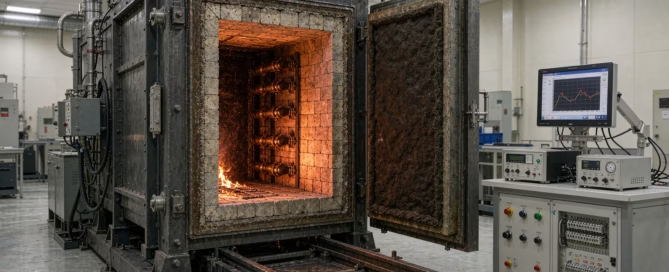
What Is a Fire Resistance Test Furnace?

A fire resistance test furnace is not an oven with a thermometer bolted on. It is a calibrated exposure machine: a refractory chamber, a burner train, plaka termometreler, pressure probes and a loading frame that together reproduce one agreed time-temperature curve on a full-size building element. This guide walks through each subsystem, the numbers it has to hold, the E / BEN / R criteria the run produces, what changed when ISO 834-1 was republished in 2025, and the questions to put to a supplier before you buy.

İle |2026-10-27T13:41:13+08:00Ekim 26, 2026|Blog|0 Yorumlar

ISO 834 Fire Resistance Testing: Temperature-Time Curve Explained

ISO 834 fire resistance testing exposes a building element to a single standardised temperature-time curve, T = 20 + 345 log10(8t + 1), and measures how long the element survives before failing loadbearing capacity, integrity or insulation. This article computes the curve at ten time points, explains why it is a convention rather than a physical law, sets out how the furnace is controlled and why pressure matters, details the R, E and I criteria and why insulation is judged on both an average and a single hot spot, and maps the ISO 834 parts to the element types they cover.

İle |2026-10-27T13:41:09+08:00Ekim 26, 2026|Standardın Yorumlanması|0 Yorumlar

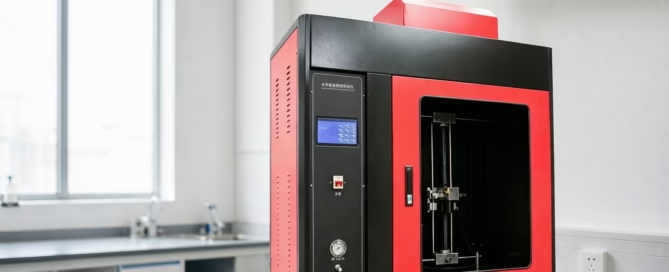
How to Test the Flammability of Plastic Materials

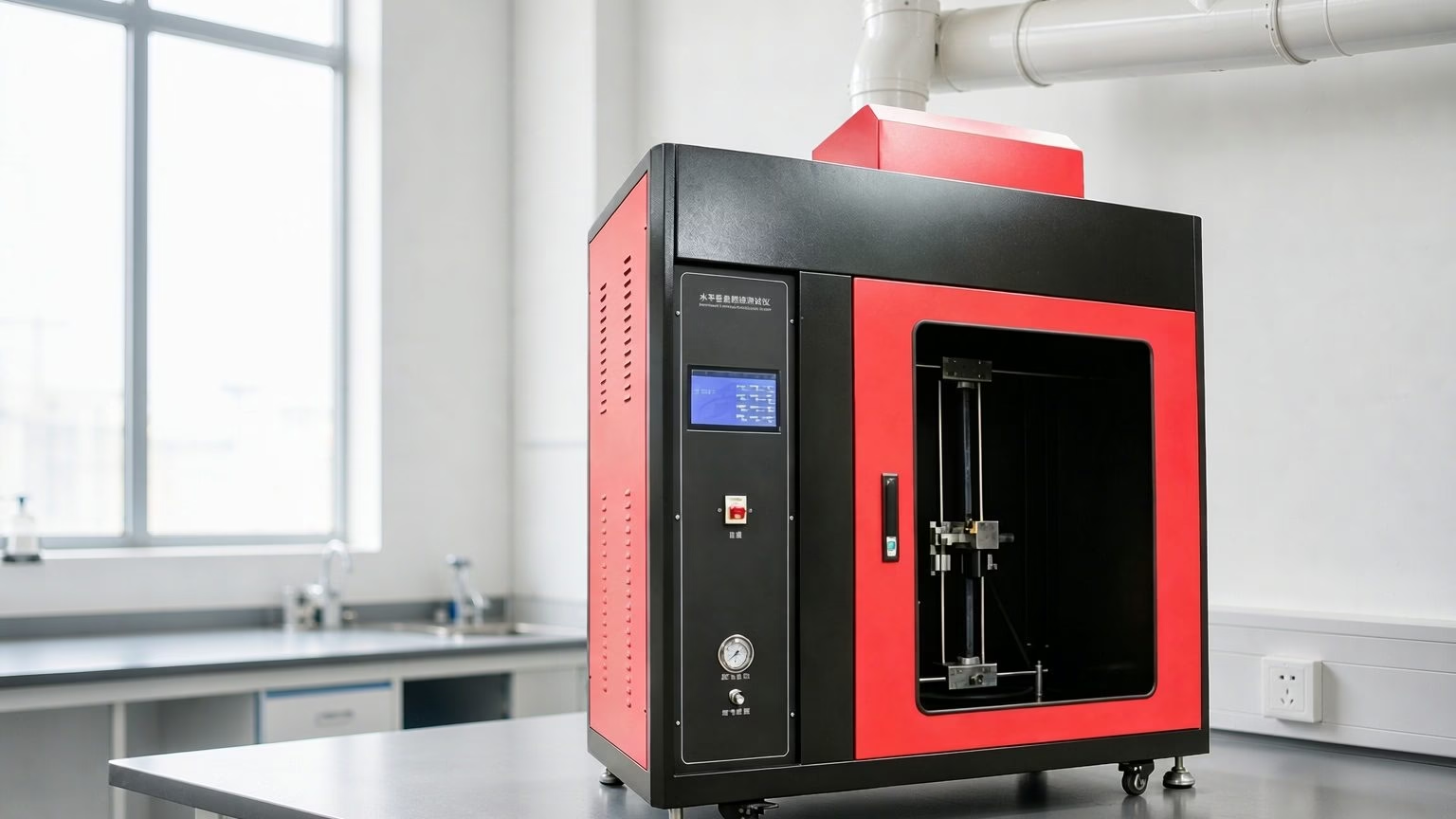
Plastic flammability testing is not one test but four families, and choosing the wrong one is the most expensive mistake in the field. This guide separates ignitability, sustained combustion, flame spread and heat release, maps each of the four test families to the product types and compliance documents that require them, covers the specimen thickness and conditioning traps that cause most inter-laboratory disagreement, and sets out what a small-flame rating does and does not certify.

İle |2026-10-27T13:41:04+08:00Ekim 26, 2026|Blog|0 Yorumlar

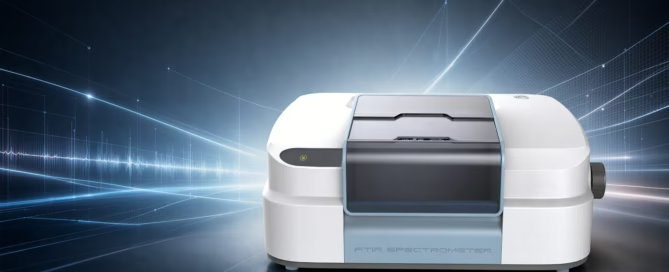
FTIR Analysis for Polymers and Plastics

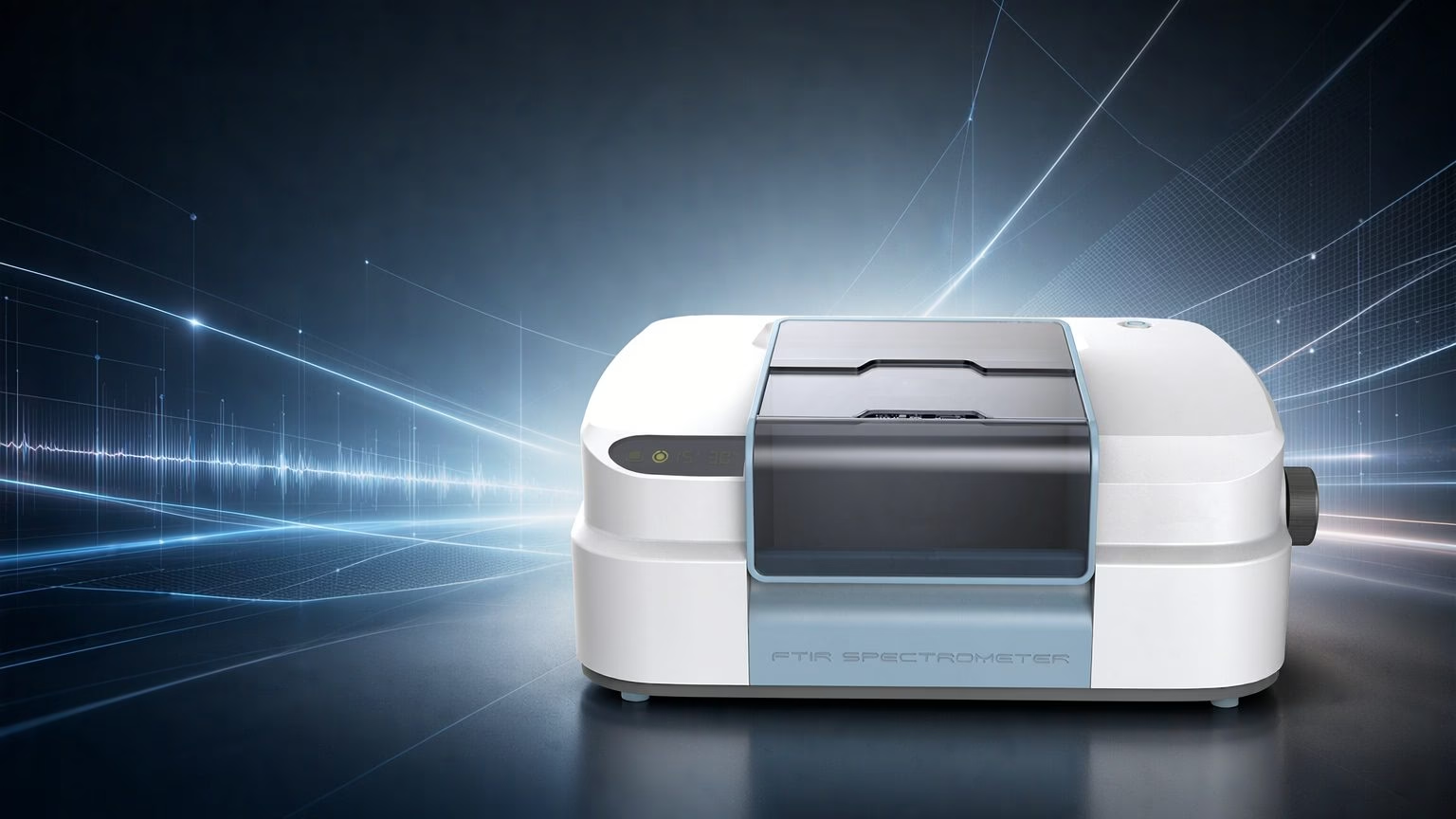
FTIR analysis for polymers works because each functional group absorbs at a wavenumber set by its bond strengths, so a spectrum is a readable inventory of the chemistry present. This guide sets out the diagnostic band positions for eleven common polymers, explains how to tell polyethylene from polypropylene and how to read the carbonyl region, matches the sampling method to each physical form from pellets to foam, and shows where FTIR stops and DSC or melt flow rate has to take over.

İle |2026-10-27T13:40:59+08:00Ekim 26, 2026|Blog|0 Yorumlar

Why Smoke Production Matters in Fire Testing

Smoke, not heat, is what normally stops people reaching an exit, which is why classification systems carry a separate smoke subscript. This guide separates the three families of smoke measurement, shows how ISO 5659-2, ISO 5660-1 ve TR 13823 each produce a different number, explains how smoke growth rate and total smoke production become an s1, s2 or s3 class under EN 13501-1, and sets out how to match the method to the market you sell into.

İle |2026-10-27T13:40:54+08:00Ekim 26, 2026|Standardın Yorumlanması|0 Yorumlar

Fire Testing Standards for Interior Building Materials

Fire testing standards for interior building materials split by product category before they split by country. Wall and ceiling linings, floorings and linear products each follow their own test programme. This guide maps the European route through EN 13501-1, İÇİNDE 13823 ve EN ISO 11925-2, the North American route through ASTM E84 and ASTM E648, and the Chinese GB 8624 system, then sets out the substrate and end-use rule that overrides every one of them, plus the gaps that most often derail a submission.

İle |2026-10-27T13:40:49+08:00Ekim 22, 2026|Standardın Yorumlanması|0 Yorumlar

Cone Calorimeter Testing: What Does It Measure?

A cone calorimeter test measures how much heat a burning specimen releases, how quickly, and what else comes off it. This guide catalogues the nine outputs the instrument produces — heat release rate, peak heat release, toplam ısı salınımı, time to ignition, mass loss rate, effective heat of combustion, smoke production, specific extinction area and gas yields — explains how oxygen consumption calorimetry derives them, which irradiance settings change every number, where the results are used in EN, ASTM and GB frameworks, and what the instrument does not measure.

İle |2026-10-27T13:40:44+08:00Ekim 22, 2026|Standardın Yorumlanması|0 Yorumlar
Yukarıya Git