Reaction to Fire Testing: The Short Answer
Reaction to fire testing measures how a construction product contributes to the early growth of a fire — how easily it ignites, how much heat it releases, and how far flame and smoke spread across its surface. Under EN 13501-1, every building product ends up in a Euroclass from A1 down to F, and each class is reached through a fixed combination of four tests: the EN ISO 1182 non-combustibility test, the EN ISO 1716 gross heat of combustion test, the EN ISO 11925-2 small flame source test, and the EN 13823 Single Burning Item (SBI) test [1].
If your target is Class A1 or A2, your programme starts in the 1182 furnace and the 1716 calorimeter. If you need B, C or D, the SBI rig plus the small flame chamber decide your result. Class E needs only the small flame test. This guide maps each class to its test route — and to the specific laboratory equipment that performs each test.
What Reaction to Fire Testing Measures
Reaction to fire describes the product’s contribution to fire development in the first minutes of a fire. It is deliberately different from fire resistance, which measures how long a loaded structure keeps standing. A product can be highly fire resistant and still burn; a wall lining can be Class A1 while the steel behind it needs no rating at all. The two properties are tested with different equipment and reported under different standards.
EN 13501-1 classifies reaction to fire using data from a defined set of test methods: ignitability, heat release, flame spread, smoke production and flaming droplets [1]. Manufacturers use the resulting Euroclass for CE marking under the EU Construction Products Regulation, for national building-code submissions, and for project specifications. Because the class — not the test report itself — is what regulators and clients read, planning the correct test route up front is the cheapest way to avoid re-testing.
The Four Tests Behind Every EN 13501-1 Class
The table below is the working matrix most laboratories and certification bodies use when planning a reaction to fire programme for construction products excluding floorings and linear pipe thermal insulation (those two product families follow separate tables in EN 13501-1). It shows which of the four tests each class requires — and the BRT equipment that performs each test.
| Testing Name | Non-Combustibility Test | Gross Heat of Combustion Test | Small Flame Source Test | Single Burning Item (SBI) Test |
|---|---|---|---|---|
| Testing Equipment | 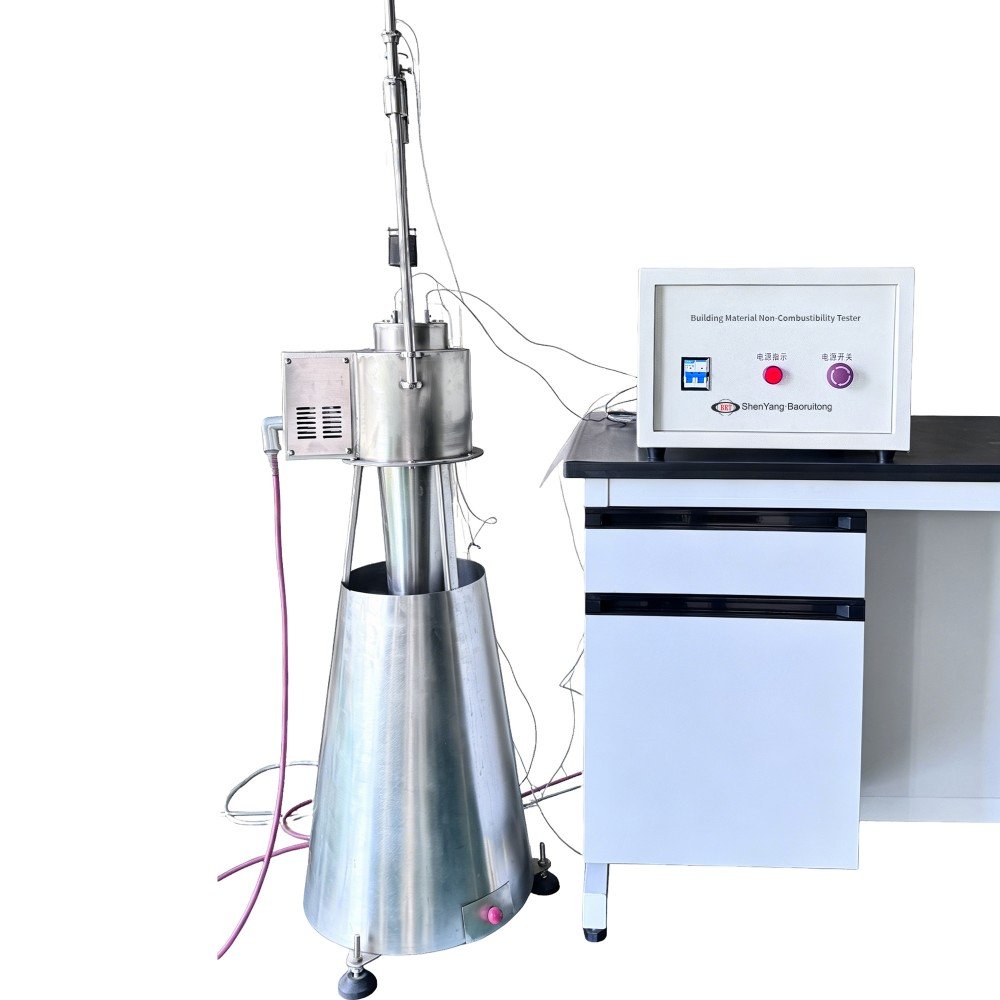 |
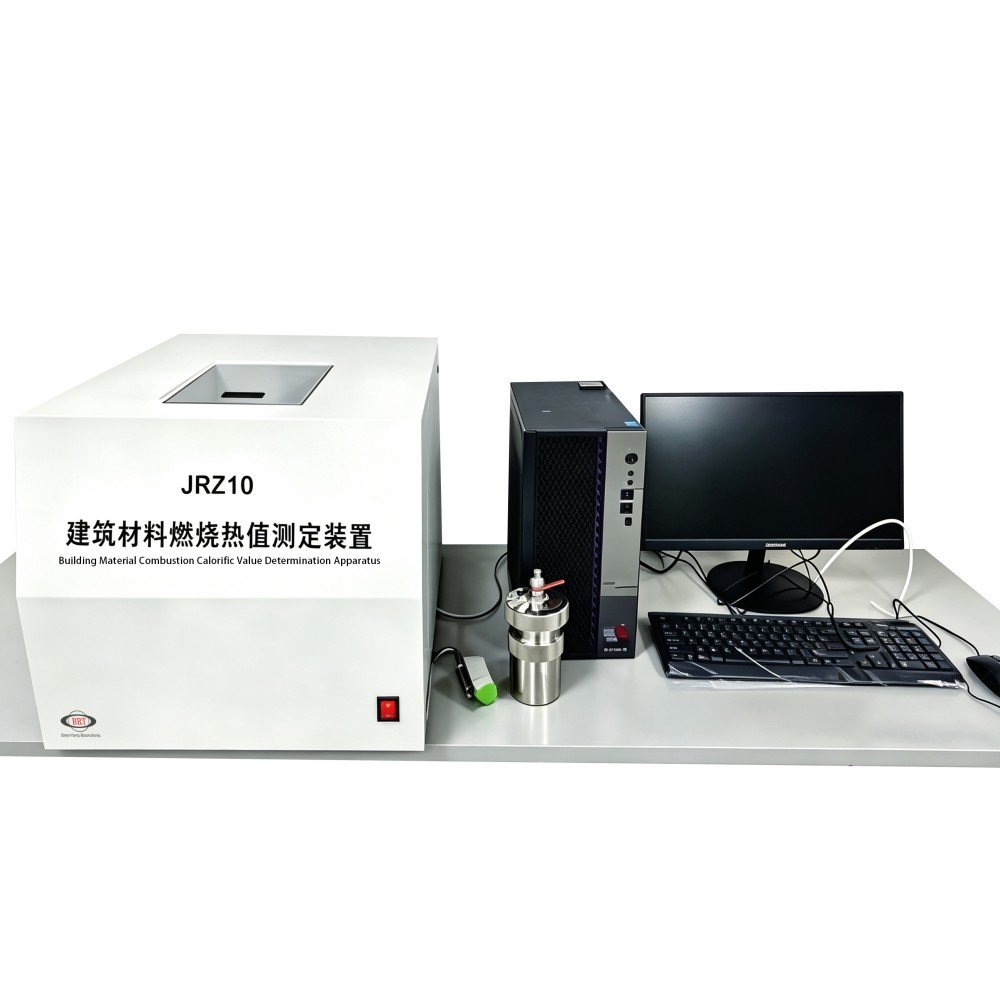 |
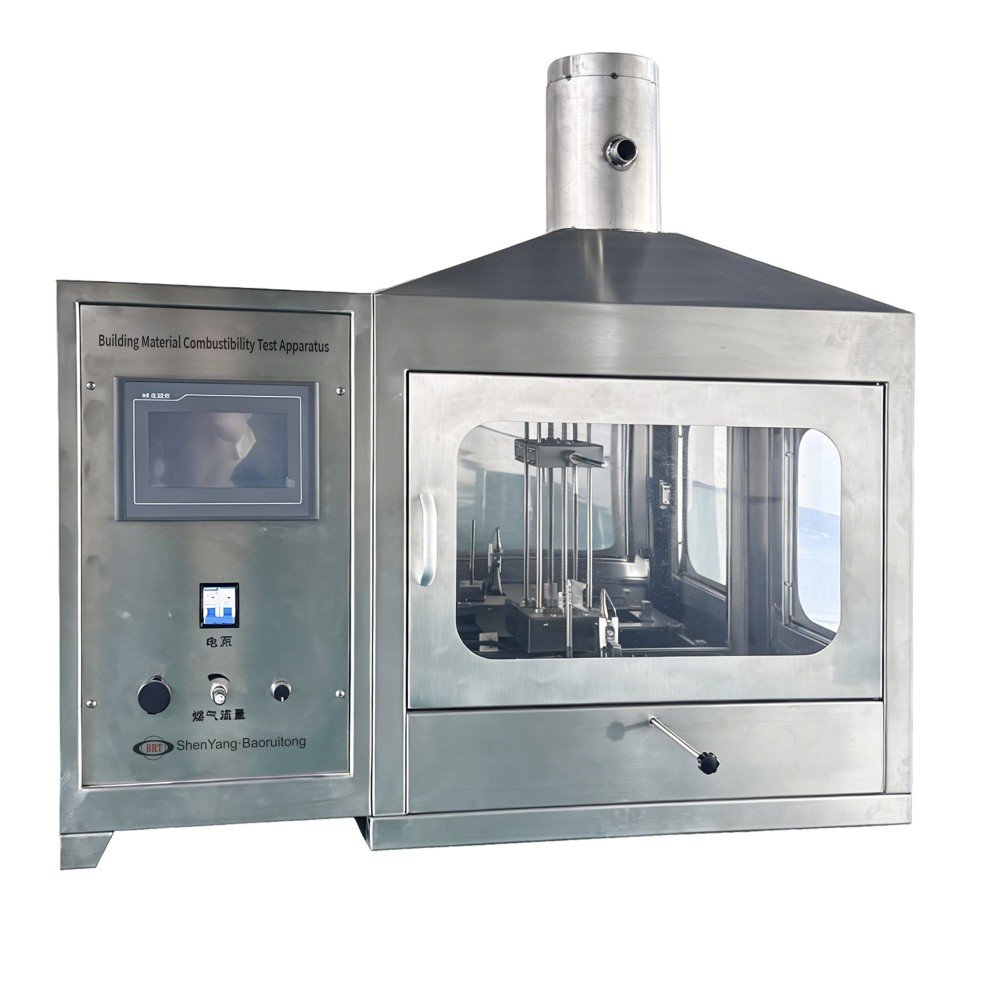 |
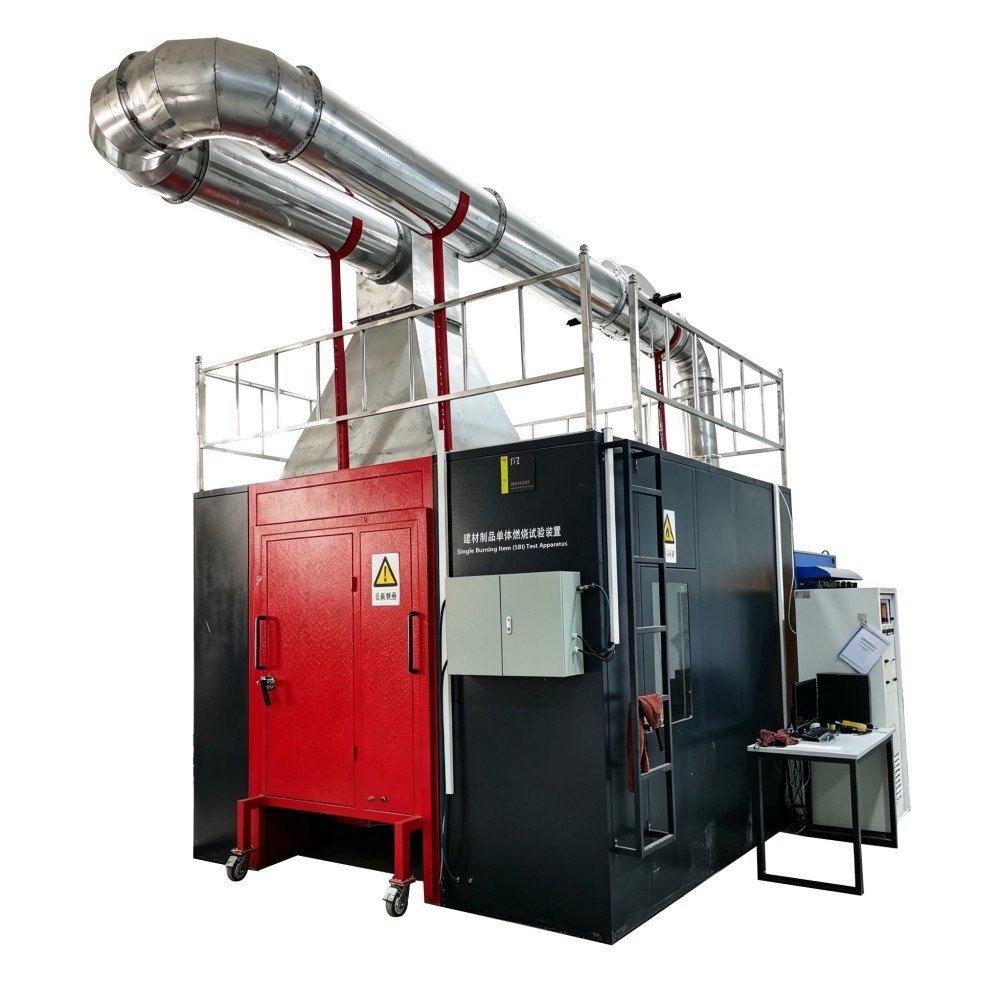 |
| Standard | EN ISO 1182 | EN ISO 1716 | EN ISO 11925-2 | EN 13823 |
| A1 | ✓ | ✓ | ✕ | ✕ |
| A2 | ✓ | ✓ | ✕ | ✓ |
| B | ✕ | ✕ | ✓ | ✓ |
| C | ✕ | ✕ | ✓ | ✓ |
| D | ✕ | ✕ | ✓ | ✓ |
| E | ✕ | ✕ | ✓ | ✕ |
| F | ✕ | ✕ | ✓ | ✕ |
Notes on reading the matrix:
- Class A2 has more than one accepted route. EN 13501-1 Table 1 allows the SBI test combined with the gross heat of combustion test as an alternative to the 1182 + 1716 pair, so some laboratories reach A2 without running the non-combustibility furnace [1]. The row above shows the conservative full-route view.
- Class F is “No Performance Determined”. A manufacturer can declare F without testing at all. The tick in the small flame column means EN ISO 11925-2 is the only test in this family that can move a product out of F into Class E.
- Floorings (…fl) and linear pipe thermal insulation (…L) follow Tables 2 and 3 of EN 13501-1, where the radiant panel test EN ISO 9239-1 replaces the SBI. The matrix above applies to the most common case: wall and ceiling linings, insulation boards, cladding panels and similar products.
- For how to read a full classification string such as B-s1,d0, including the s (smoke) and d (droplets) subscripts, see our EN 13501-1 Euroclass guide.
Test Routes by Target Class
Route to A1 and A2: the Non-Combustibility Furnace and the Calorimeter
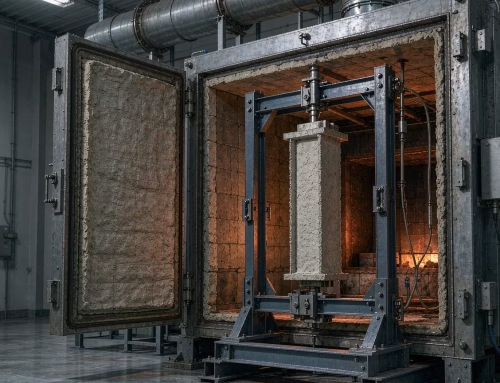
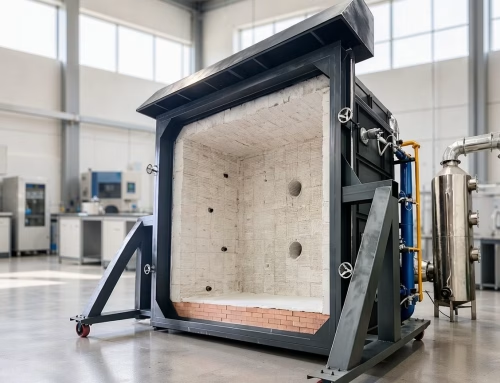
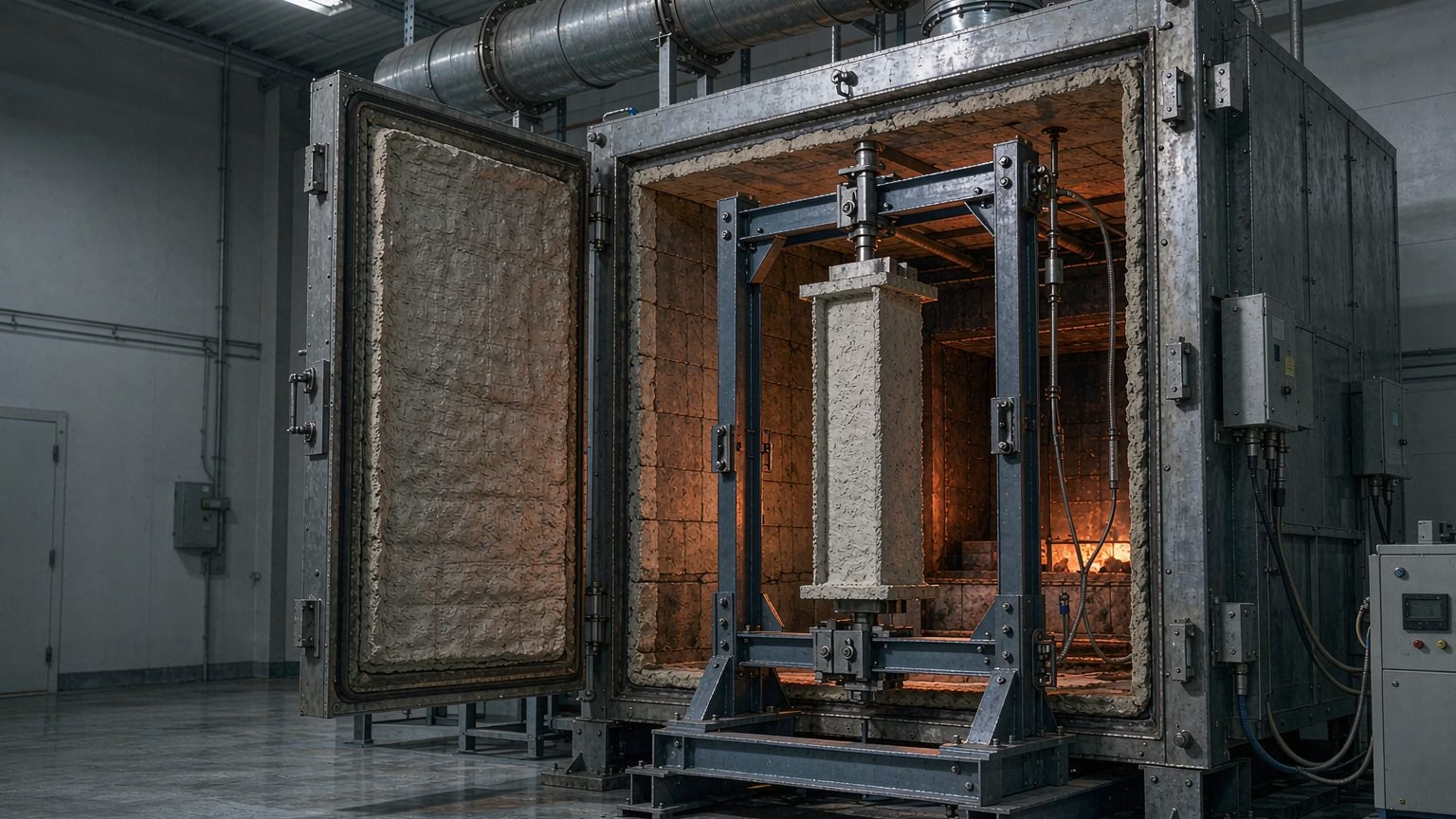
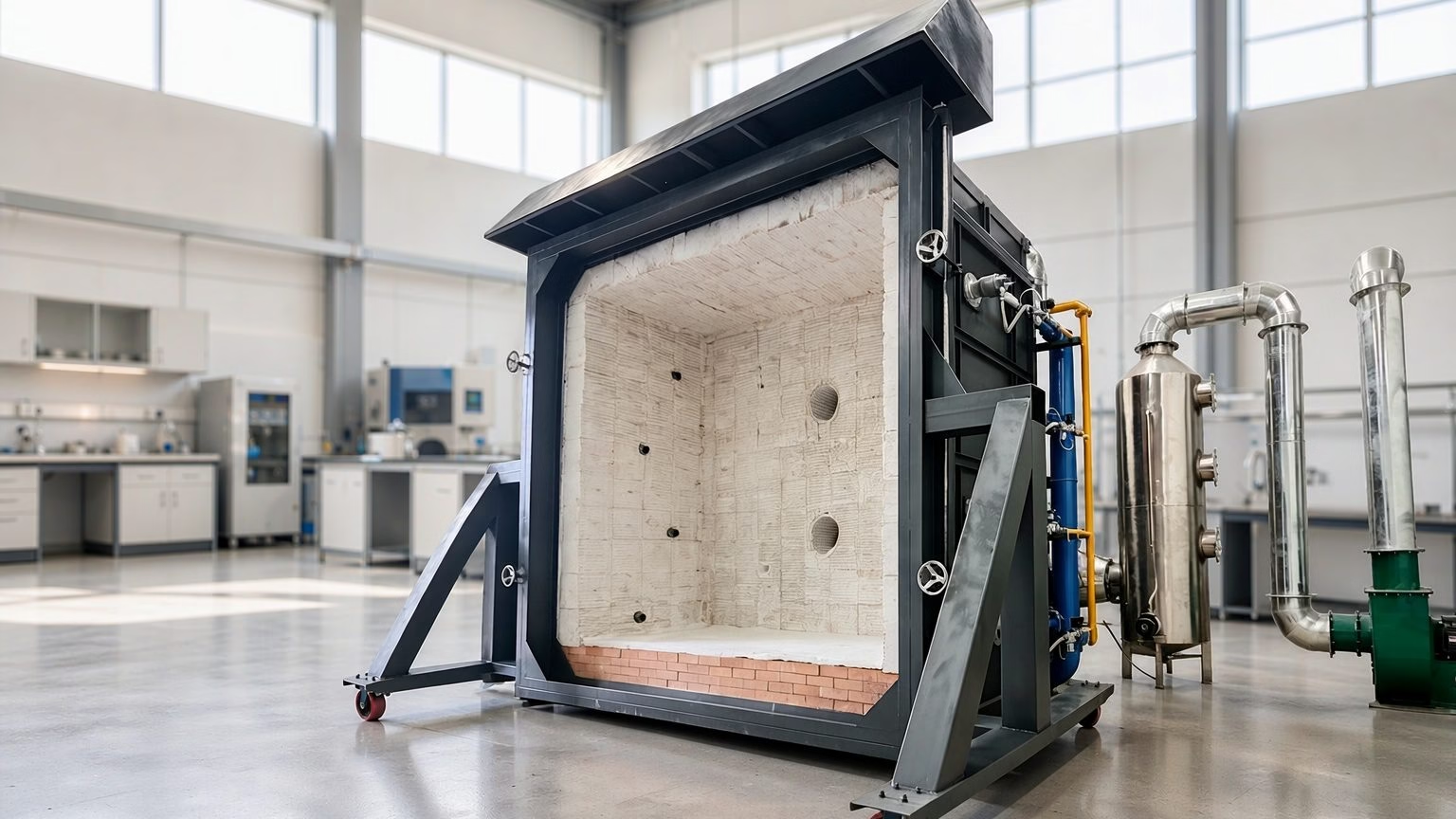
Class A1 is reserved for products that contribute no significant heat to a fire. To prove it, EN ISO 1182 holds cylindrical specimens in a 750 °C tube furnace and measures temperature rise, mass loss and sustained flaming [2][3]. EN ISO 1716 complements it in a bomb calorimeter, determining the gross heat of combustion (PCS) of the homogeneous product and of each substantial component. Class A2 follows the same two-test route but tolerates limited combustible content, with quantitative thresholds on both the furnace results and the PCS value. The equipment side of this route is the JBR20 Non-Combustibility Test Apparatus and the JRZ10 Gross Heat of Combustion Tester, both built to the EN versions of the two standards.
Route to B, C and D: SBI Plus Small Flame
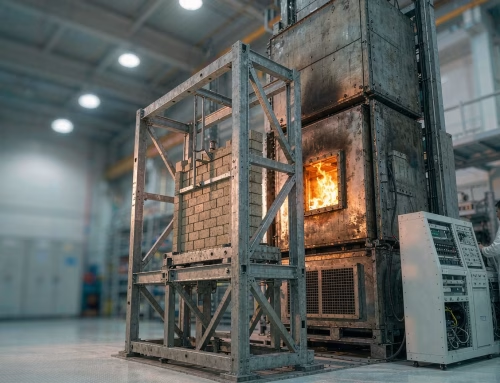
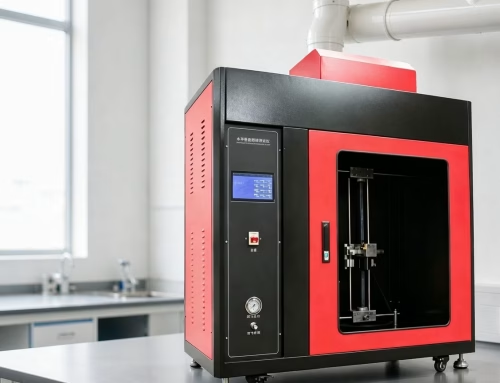
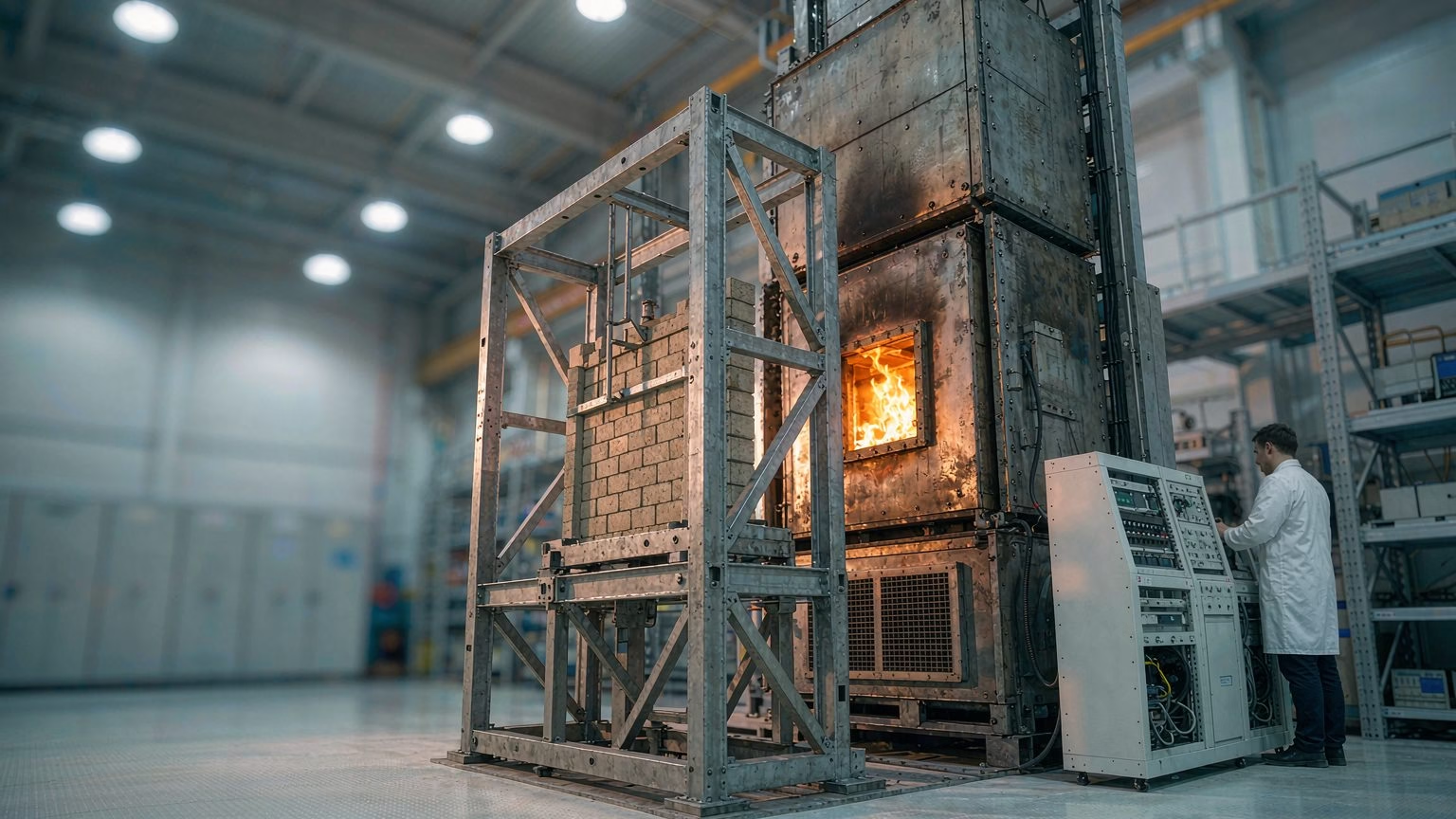
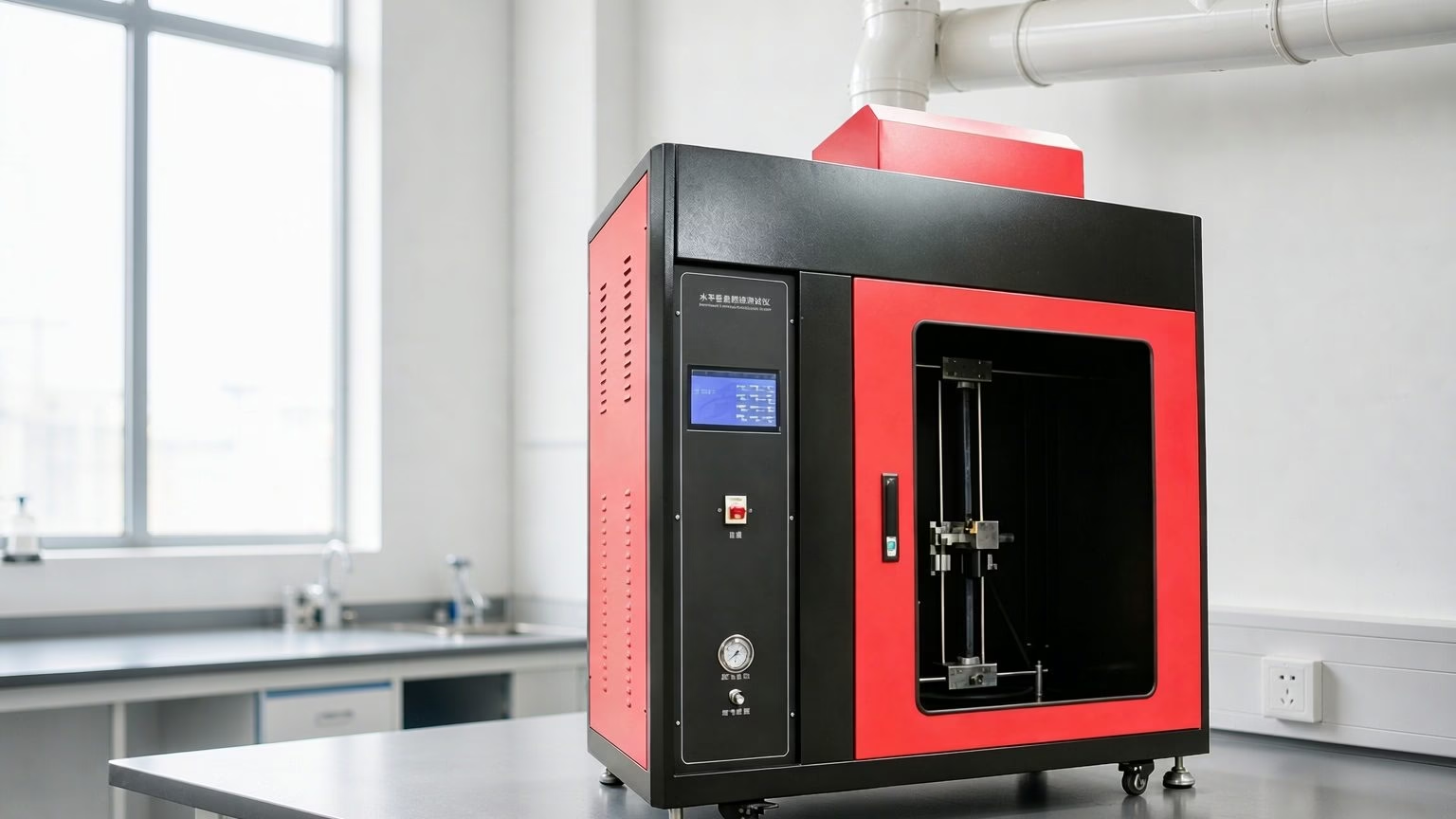
Products with a measurable heat release rate — most wall linings, insulation panels and composite boards — are classified through the EN 13823 SBI test, which exposes a corner arrangement of two wings to a 30 kW burner and calculates FIGRA, THR, smoke growth and lateral flame spread [4]. The small flame test then guards the low end: EN ISO 11925-2 applies a 15 s or 30 s flame to the specimen edge and records ignition, flame spread and dripping. Every candidate for B, C or D must pass both. BRT covers this route with the JCDT Single Burning Item (SBI) Test Apparatus and the JCKR Single Flame Source Test Apparatus. The ignition criteria, specimen geometry and conditioning rules of EN ISO 11925-2 are covered in detail in our EN ISO 11925-2 test guide.
Route to E and F
Class E requires only the EN ISO 11925-2 small flame test: the product must resist ignition for the specified exposure without flames spreading above a limit within a set time. A product that is not tested, or that fails the Class E criteria, falls back to Class F — the “no performance determined” class. For manufacturers importing into the EU, declaring F is rarely commercially acceptable, which is why a single small flame chamber is often the first machine a new laboratory buys.
Why the Current Standard Versions Matter
Version drift is a real operational risk in this test family. EN 13823:2010+A1:2014 was officially withdrawn on 6 October 2026 and replaced by EN 13823:2020+A1:2022, which clarifies burner switch response times, probe orientation and air-gap mounting rules [4][5]. Conditioning requirements also moved: EN 13238:2026 took effect in August 2026, replacing the 2010 edition for specimen conditioning and substrate selection across all four tests. If your laboratory is quoting a project that will be tested or audited after these dates, equipment specifications and work instructions should already reference the 2020+ and 2026 documents — older citations in a test report are a finding auditors will raise.
Frequently Asked Questions
What is reaction to fire testing?
Reaction to fire testing measures how a building product behaves in the early stages of a fire: how easily it ignites, how much heat it releases, how quickly flame spreads, and whether it produces smoke or flaming droplets. The results feed the EN 13501-1 Euroclass system, which assigns products a class from A1 (non-combustible) to F (no performance determined). It is a property of the material’s surface and composition, tested with standardized laboratory equipment.
What is the difference between reaction to fire and fire resistance?
Reaction to fire asks how a material contributes to fire growth; fire resistance asks how long a building element keeps its load-bearing capacity, integrity and insulation when exposed to a fully developed fire. Wall lining classifications come from EN 13501-1 reaction to fire tests, while fire resistance ratings come from the EN 13501-2 family using large furnaces. A product can achieve a high class in one system and a modest result in the other, because they measure different things.
Which tests do I need for a Class B rating?
Class B (excluding floorings) requires two tests: the EN 13823 Single Burning Item test and the EN ISO 11925-2 small flame source test. The SBI result must meet the heat release, smoke growth and flame spread thresholds for Class B, and the small flame result must satisfy the ignitability criteria. Additional subscripts for smoke (s1, s2, s3) and droplets (d0, d1, d2) come from the same two tests.
Do I need to test to declare Class F?
No. Class F means “no performance determined”, so a manufacturer can declare it without any testing. However, most specifiers and building codes reject Class F products for regulated end uses. Running the EN ISO 11925-2 small flame test is the minimum step to move a product into Class E, and adding the SBI test opens Classes D, C and B — a far stronger commercial position for a modest equipment investment.
Plan Your Reaction to Fire Testing Programme
Getting the route right before buying equipment or booking test days keeps the programme short and the report clean. A working sequence:
- Fix the target class from the end-use regulation or customer specification — it dictates the test combination, not the other way round.
- Identify the product family (excluding floorings / floorings / linear pipe insulation), because it selects Table 1, 2 or 3 of EN 13501-1.
- Book or buy the equipment for that combination: the 1182 furnace and 1716 calorimeter for A1/A2 work, the SBI rig plus small flame chamber for B–D, or the small flame chamber alone for E.
- Cite current versions — EN 13823:2020+A1:2022, EN ISO 1182:2020 and EN 13238:2026 — in quotes and test reports.
- Keep the classification string in view (class + s + d subscripts), since the subscripts often decide the specification even when the main class passes.
BRT Testing manufactures the complete reaction to fire equipment chain shown in the matrix above — from the non-combustibility furnace and the bomb calorimeter to the small flame chamber and the full SBI rig — with configuration support for laboratories building a new fire testing capability. Contact our team to match an apparatus set to your target class and throughput.
Written by the BRT Testing engineering team, manufacturer of fire, spectrum and material testing instruments for laboratories in more than 40 countries.