+86 15604057553  ▪ info@brt-test.com   ▪

+86 15604057553  ▪ info@brt-test.com   ▪

БРТ ТЕСТИРОВАНИЕ

О bravezoeyj@gmail.com

This author has not yet filled in any details.
So far bravezoeyj@gmail.com has created 79 blog entries.

Требования к испытаниям на огнестойкость пластиковых электрических компонентов: Маленькое пламя, Светящаяся проволока и отслеживание

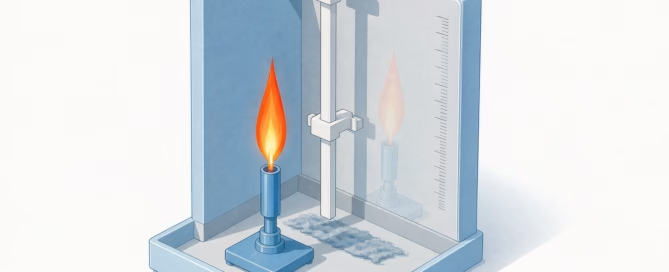
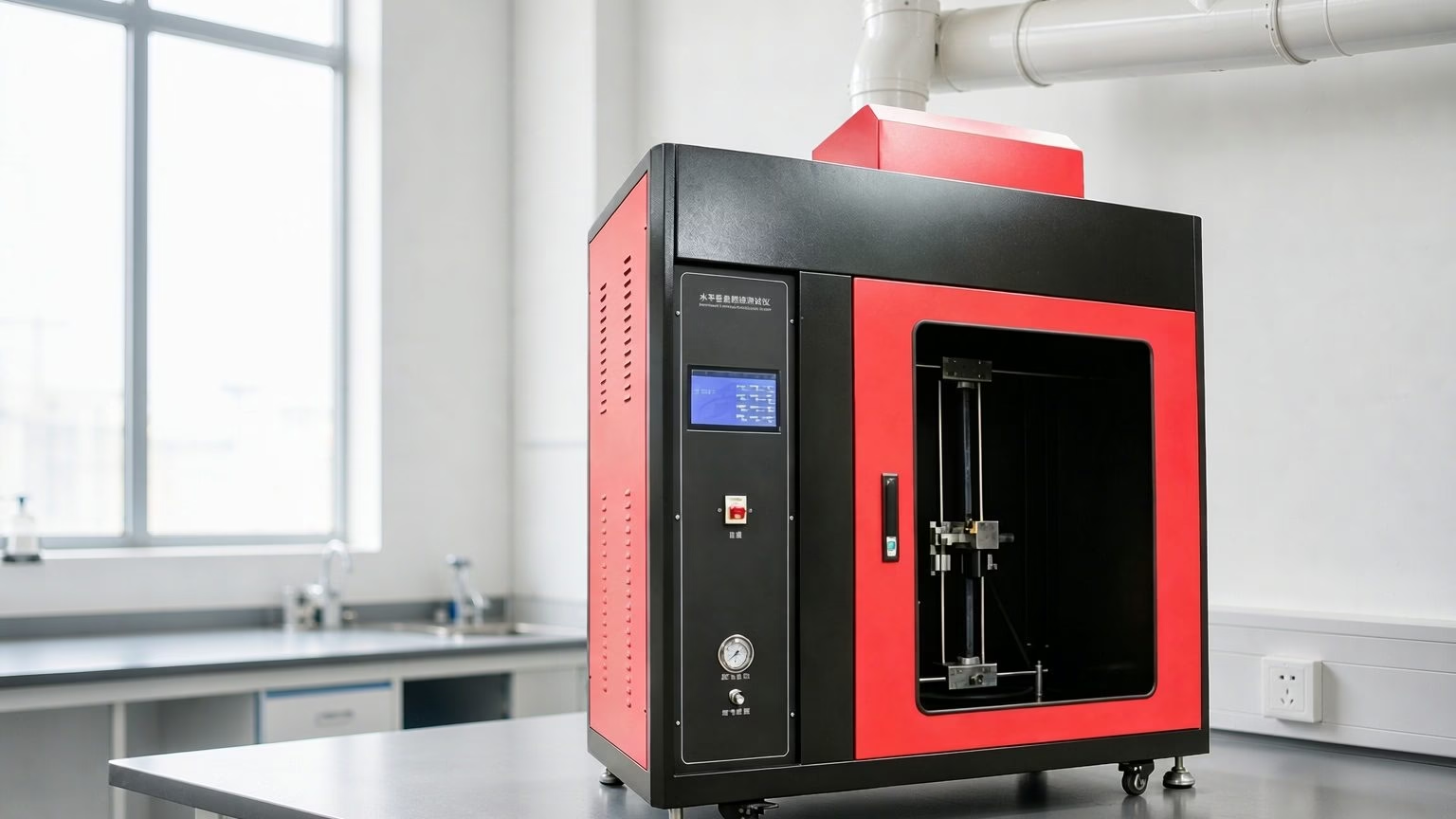
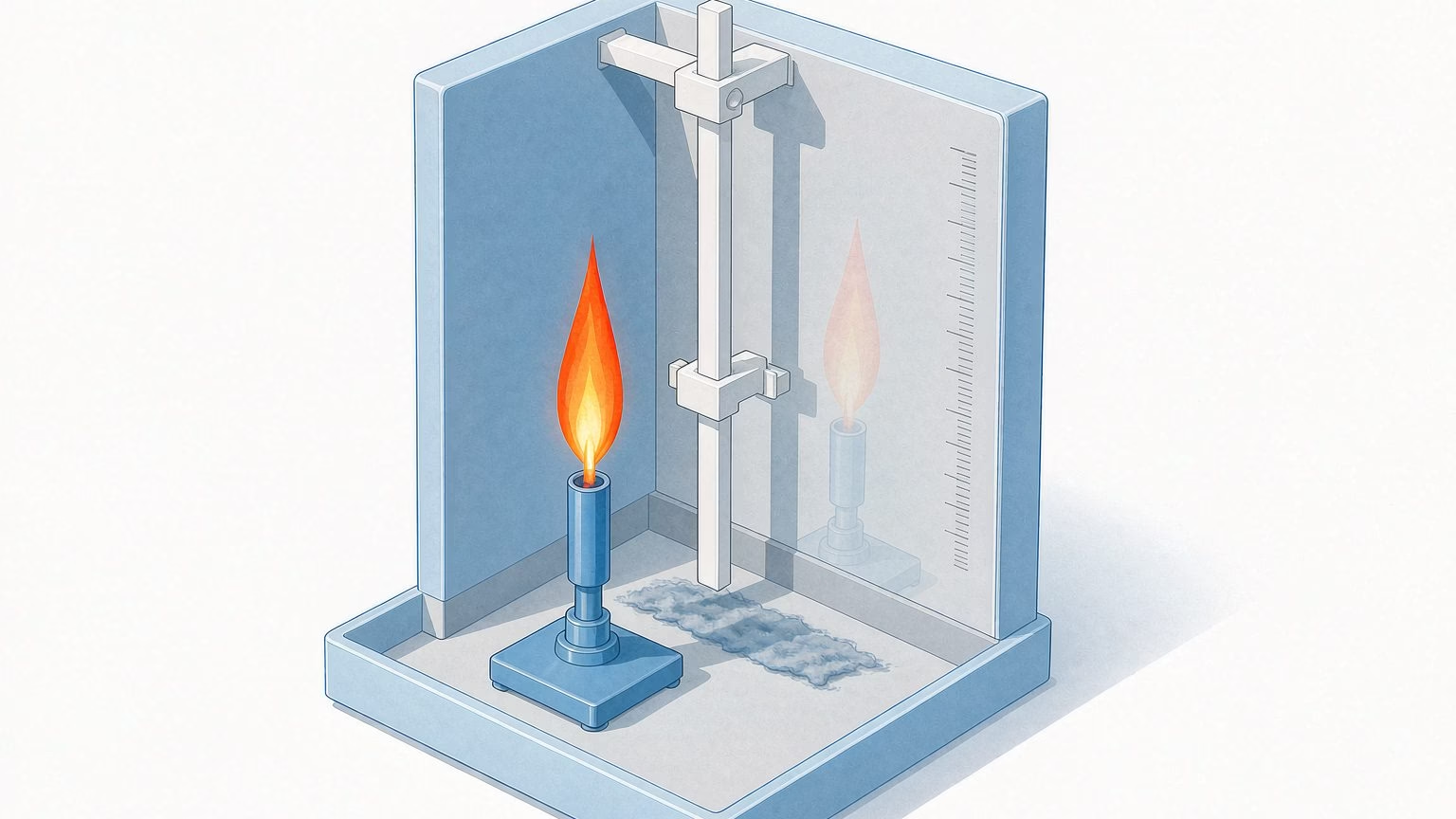
A plastic part in electrical equipment is not asked to pass one fire test. It is asked to survive four ignition scenarios: a small external flame on the 50 W methods of IEC 60695-11-10, a larger flame on the 500 W method of IEC 60695-11-20, an internal fault flame on the needle-flame test, and an overheated part on the glow-wire family, with tracking handled separately by IEC 60112. This guide separates the end-product glow-wire test from the GWFI and GWIT material properties, explains why thickness is part of a flame classification, and lists what a material datasheet claim has to carry before it counts as a requirement.
What Is the Difference Between Fire Rating and Fire Resistance Rating?

A fire resistance rating is a defined quantity: minutes that an element of construction has held, under a standardised furnace fire, against loadbearing capacity, integrity and insulation, tested to ISO 834-1 или RU 1363-1 and classified by EN 13501-2. "Fire rating" is everyday shorthand that can mean a fire resistance rating, a reaction to fire Euroclass, a flame spread index, or nothing enforceable at all. This guide separates the two questions fire safety engineering keeps apart, compares the European and North American systems and their different temperature-rise limits, and shows what to write instead of the bare phrase before a document goes out.

МЭК 60332 Cable Flame Testing Explained: Single Wire, Bunched Cables and Categories A to D

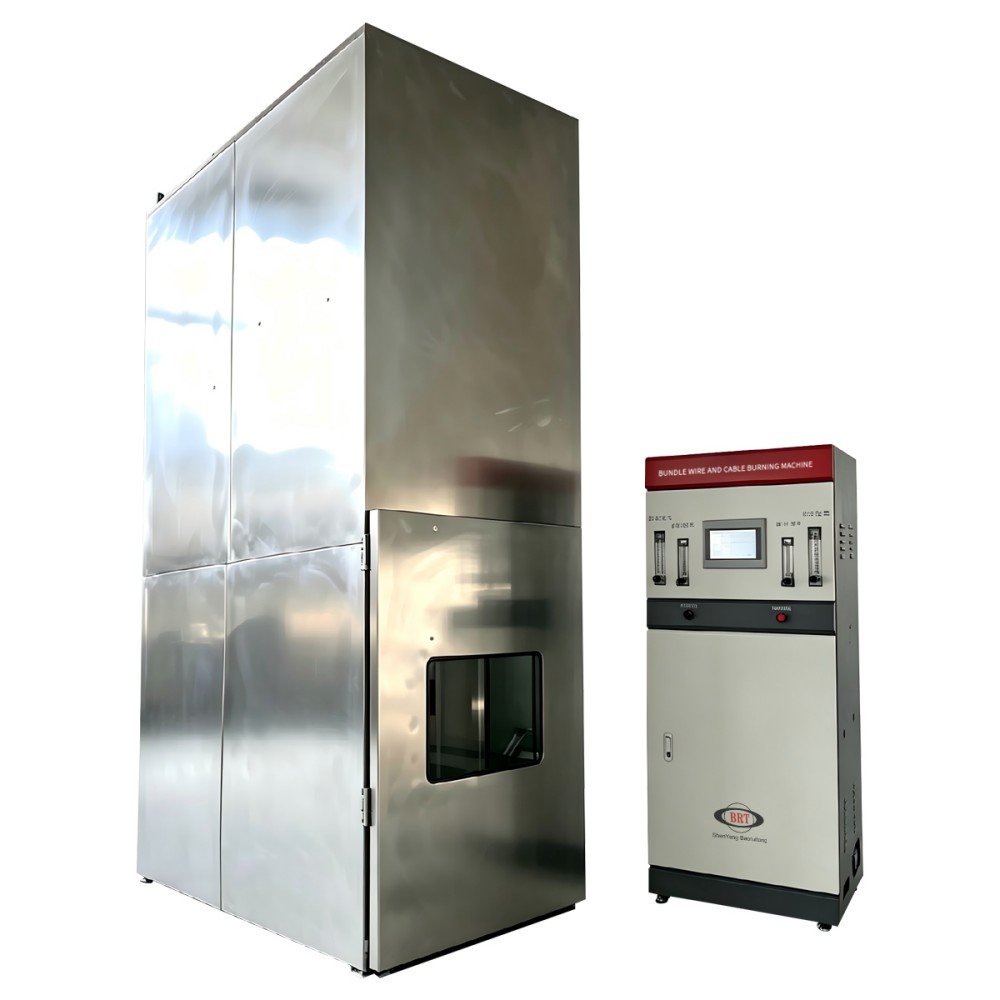
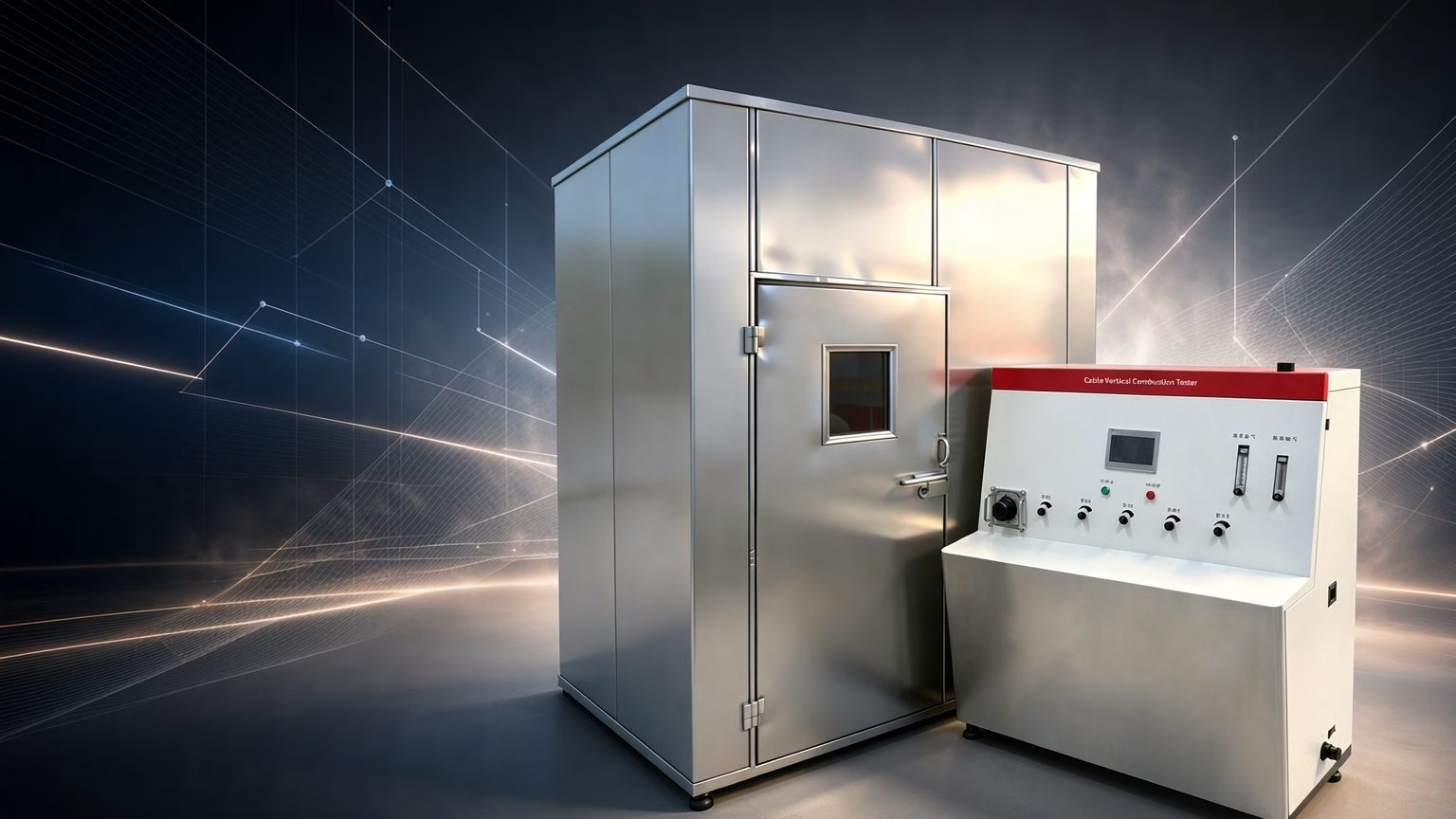
МЭК 60332 measures how far a flame travels along a cable, not whether the cable keeps working. A single insulated wire goes to IEC 60332-1-2, now edition 2.0 published 10 June 2025; a small conductor that would melt goes to the diffusion flame of IEC 60332-2-2; cables installed as a group go to the IEC 60332-3 ladder, where category A, B, C or D is set by the volume of non-metallic material per metre and the flame application time. This guide maps the parts, explains why a single-wire pass does not cover a bunched installation, and lists the specification errors that cost the most.

Fire Resistance Testing for Walls and Partitions: Standards, Criteria and How to Read a Classification

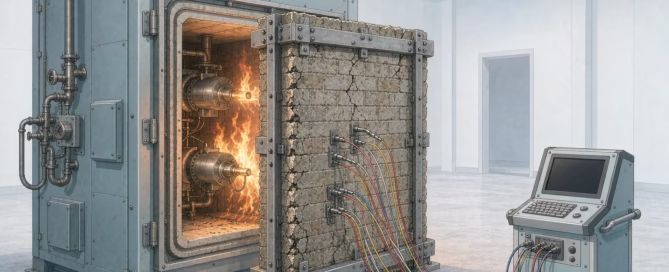
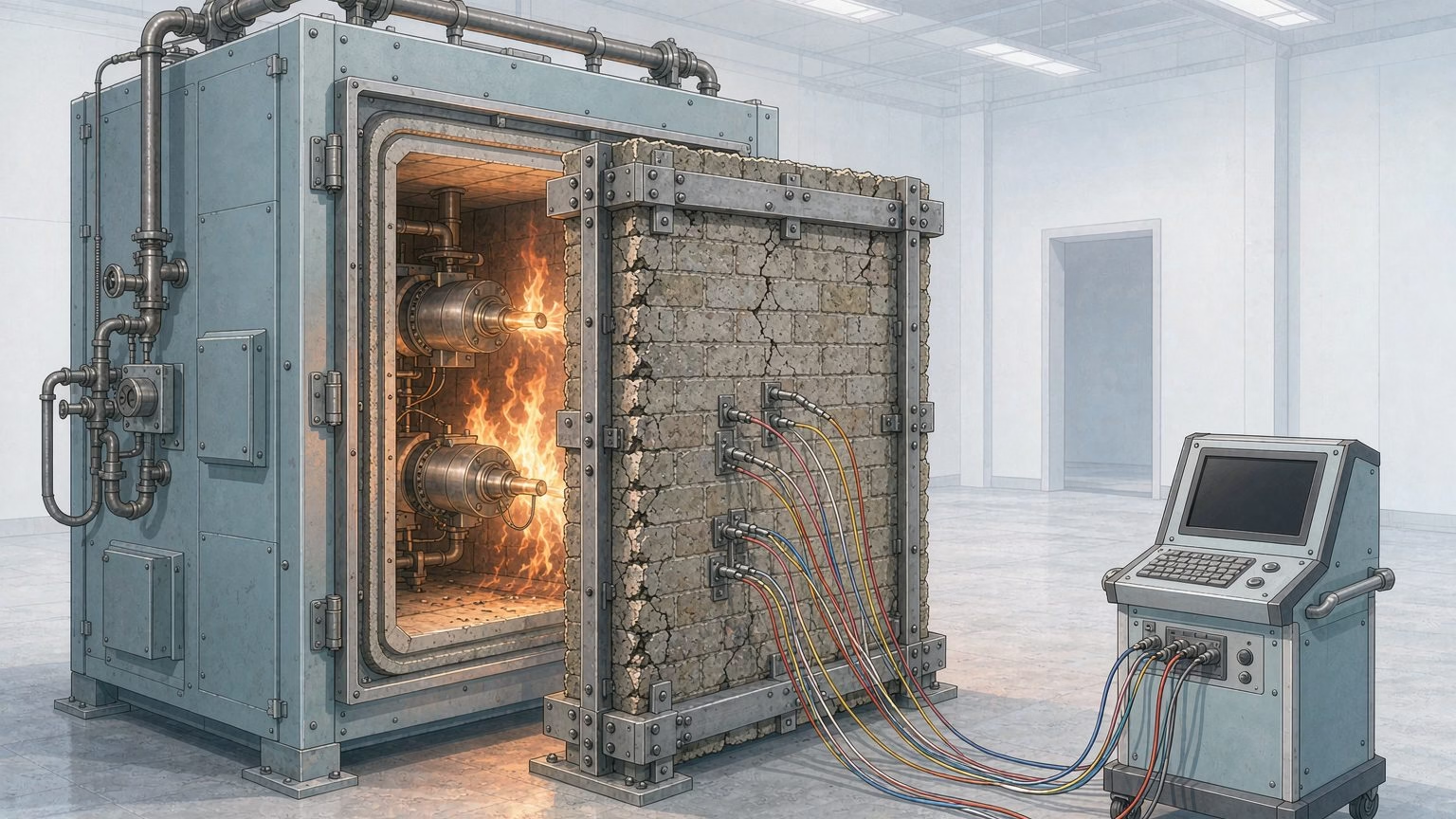
Walls and partitions are not tested alike. Non-loadbearing partitions go to EN 1364-1 and can only claim EI; loadbearing walls go to EN 1365-1 under load and can claim REI. Both are read with EN 1363-1, heated on the ISO 834-1 curve, and classified by EN 13501-2 into a standard minute series. This guide explains which standard applies to your element, how the R, E and I criteria are actually judged, why the North American ASTM E119 route adds a hose stream, and how to read a classification such as REI 60 without over-claiming it.

How FTIR Identifies Unknown Materials

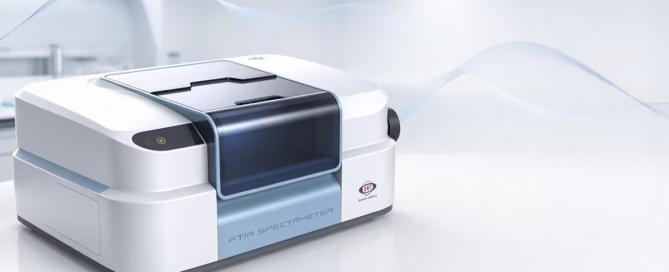
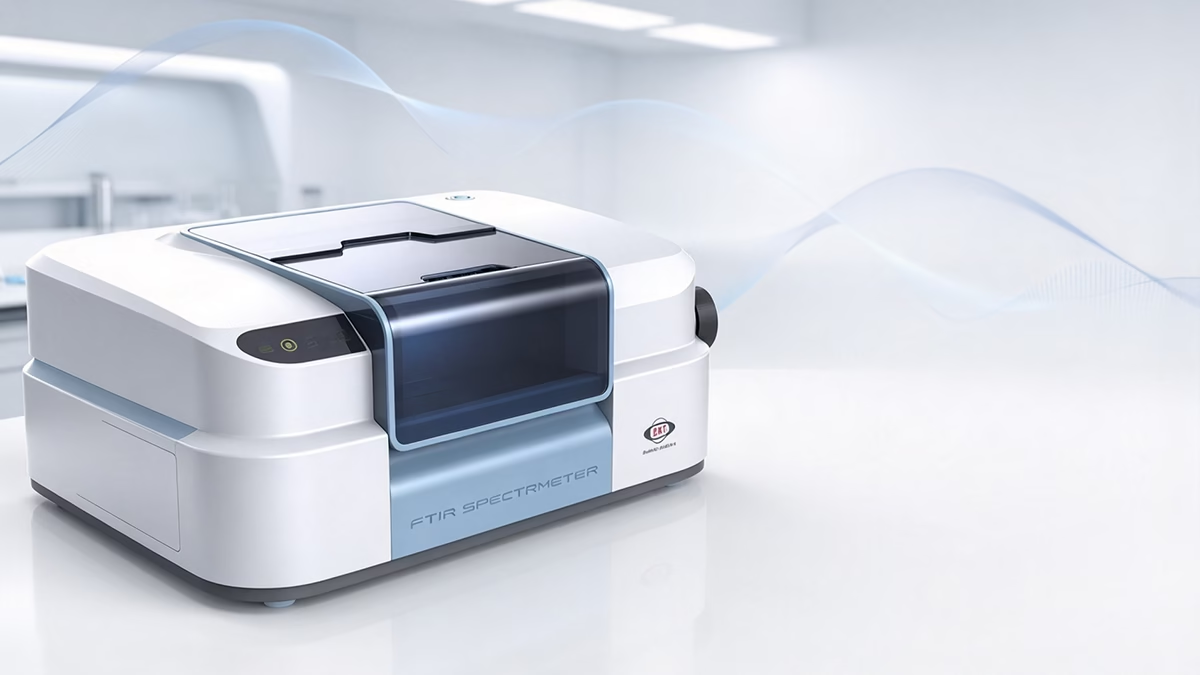
FTIR material identification works by comparing the infrared absorption pattern of an unknown against reference spectra, and the identification is only as good as the sampling step that produced the spectrum. A mid-infrared spectrum runs from 4000 к 400 cm-1: above about 1500 cm-1 individual functional groups absorb, below it the pattern belongs to the whole molecule. This guide sets out the six-stage workflow, compares ATR, transmission and reflectance sampling, lists the artefacts that masquerade as bands, gives the common band positions as ranges, and explains why a high match score can still be the wrong answer.

К |2026-10-27T13:24:57+08:00Октябрь 27, 2026|Блог|0 Комментарии

What Is Non-Combustibility Testing?

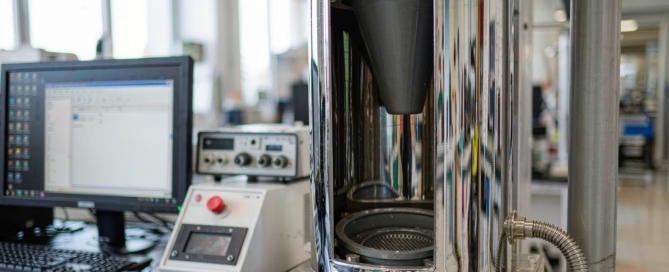
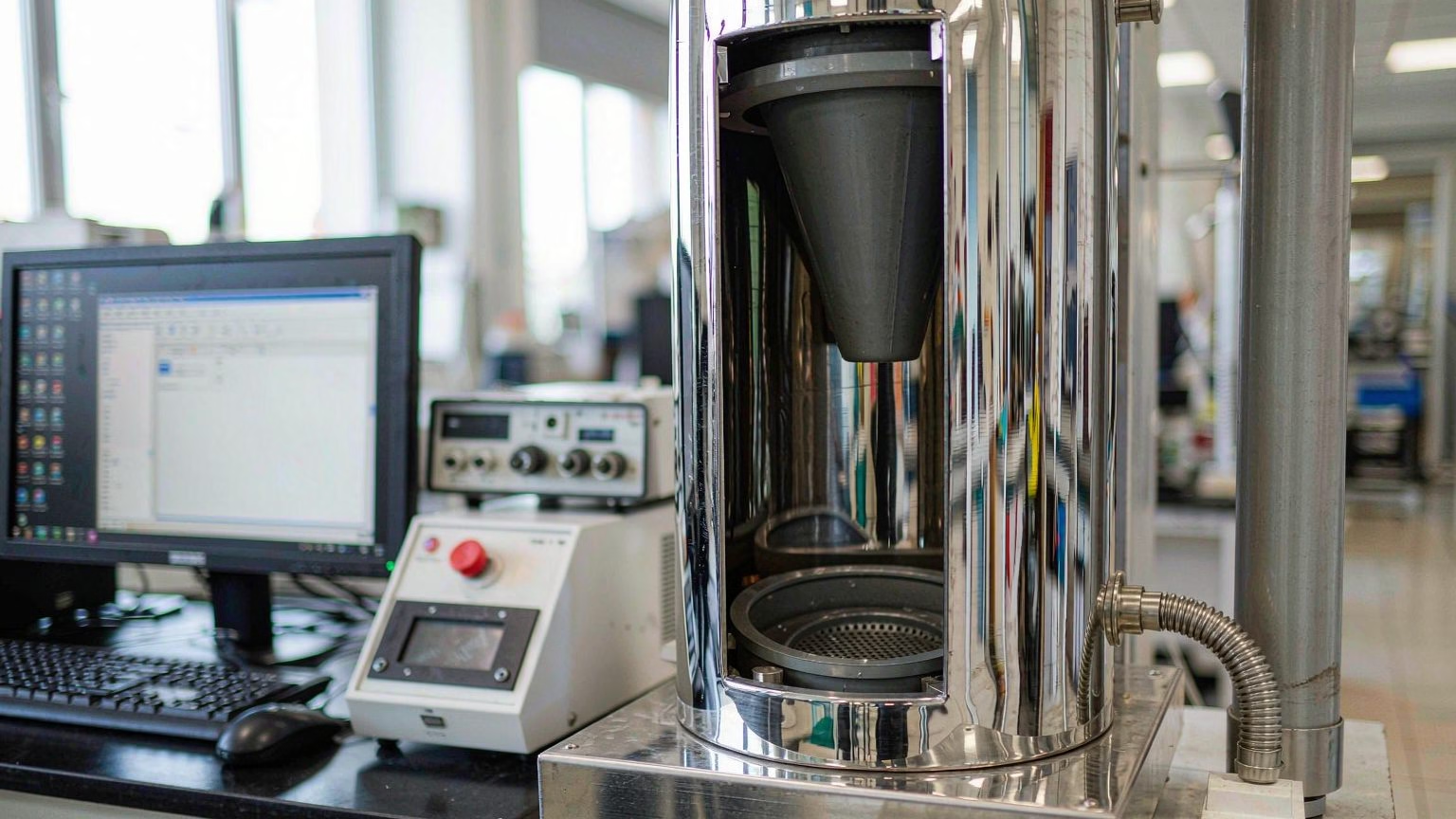
A non-combustibility test puts a small specimen into a furnace held at 750 C and measures three things: how much the temperature rises, how much mass is lost, and how long the specimen sustains a flame. It does not measure whether a product survives a fire. The European version is EN ISO 1182 and the North American version is ASTM E136, and both apply broadly similar criteria. What turns those three numbers into a classification is EN 13501-1: Euroclass A1 requires a temperature rise of at most 30 C, a mass loss of at most 50 per cent, no sustained flaming at all, and a calorific value of at most 2.0 MJ/kg. Euroclass A2 relaxes those limits and adds two further tests.

К |2026-10-27T13:24:53+08:00Октябрь 27, 2026|Блог|0 Комментарии

Fire Testing Methods for Electrical Enclosures

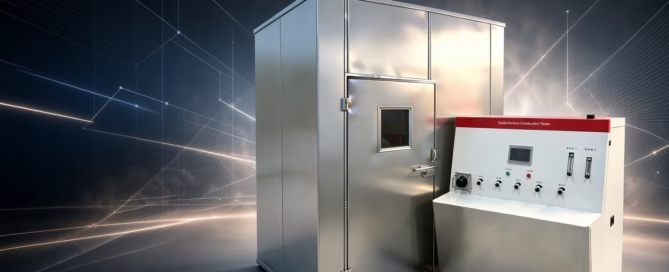
Electrical enclosure fire testing is a matrix, not a single test. A small external flame is answered by the 50 W method in IEC 60695-11-10; a large flame by the 500 W method in IEC 60695-11-20; an overheated internal connection by the glow-wire family in IEC 60695-2-11, 2-12 и 2-13; and a fault-induced small flame by the needle-flame method in IEC 60695-11-5. This guide sets out which method answers which question, quotes the GWFI and GWIT definitions from the IEC scope statements, and explains why the split between material tests and finished-part tests decides most enclosure submissions.

UL 94 5V Testing: What Makes It Different?

UL 94 5V is not a stricter V-test; it is a different test. Where V-0, V-1 and V-2 burn a 125 mm bar with a 20 мм, 50 W flame applied twice, the 5V series uses a 125 mm flame of roughly 500 W with a 40 mm inner cone, applies it five times for five seconds, and adds a 150 mm x 150 mm plaque judged on burn-through. Bars alone give 5VB; plaques that do not perforate give 5VA. A 5V rating also requires V-0 or V-1 at the same thickness first. This guide sets out the flame change, the five-application sequence, the plaque criterion, the conditioning regimes, the apparatus checklist, and how the method maps to IEC 60695-11-20 and ASTM D5048.

How to Test Fire Resistance of Fire Doors

A fire door is not tested as a leaf; it is tested as a doorset, mounted full size in a furnace wall and heated on the standard curve until one of the criteria is lost. This guide walks through the seven steps of a fire door fire resistance test, the standards you choose by market and the editions that are current right now, how the specimen has to match production, which instruments decide the result, what the E, я, Вт, S and C criteria actually mean, and the failure modes that account for most failed runs.

UV-Vis Spectrophotometer Applications in Quality Control

In a quality control laboratory a UV-Vis spectrophotometer is not judged by its specification sheet but by whether its results survive an audit. This guide sets out the four workflows that dominate QC work, the measurement parameters that decide whether a result is defensible, how wavelength and photometric accuracy are verified against a traceable reference material, what analytical validation and system suitability require of a UV-Vis method, and the operational qualification checks to run before a instrument is released for routine use.

К |2026-10-27T13:41:23+08:00Октябрь 26, 2026|Блог|0 Комментарии
Перейти наверх