عن bravezoeyj@gmail.com

This author has not yet filled in any details.
So far bravezoeyj@gmail.com has created 67 blog entries.

ايزو 834 اختبار مقاومة الحريق: وأوضح منحنى درجة الحرارة والوقت

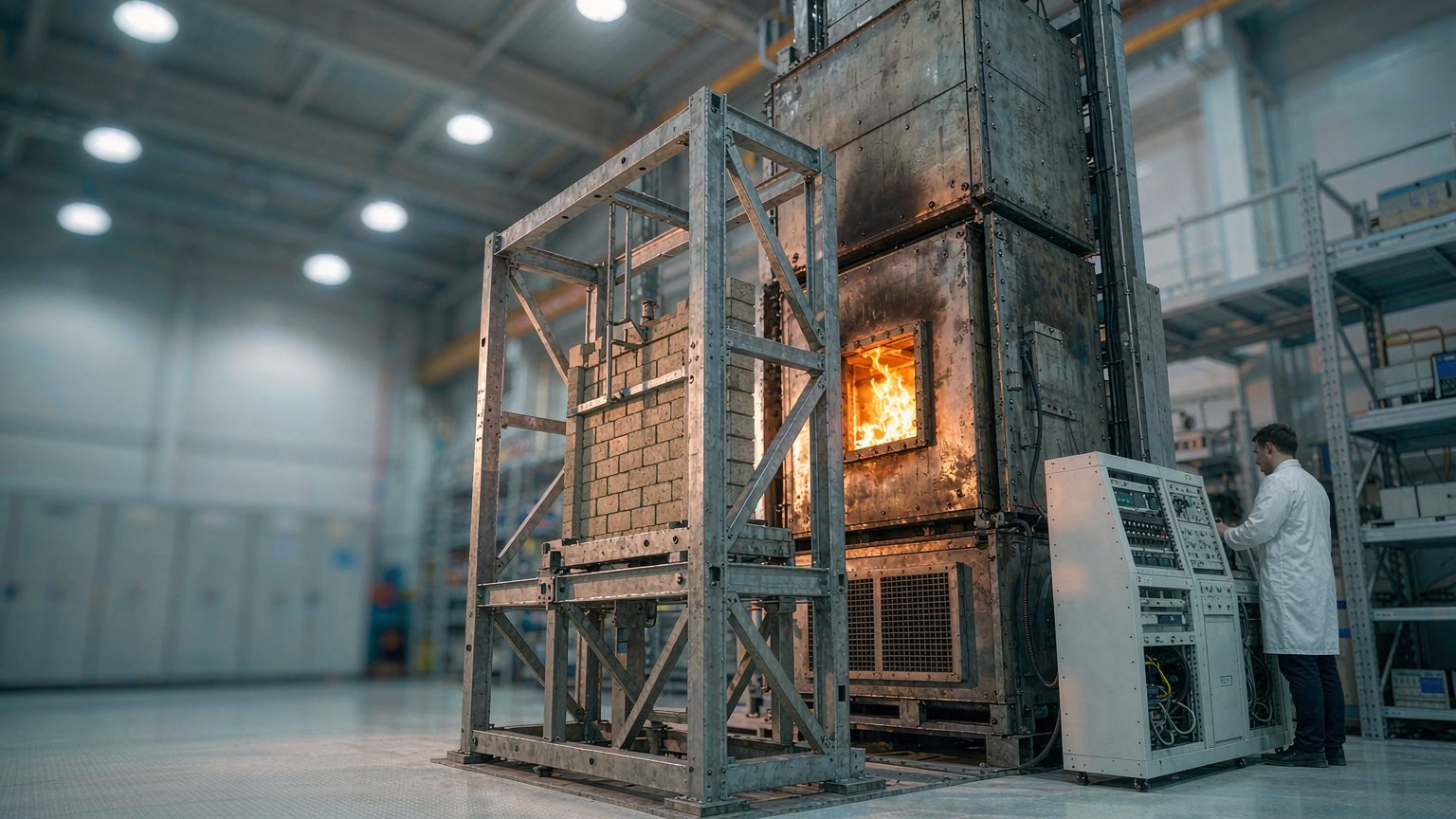
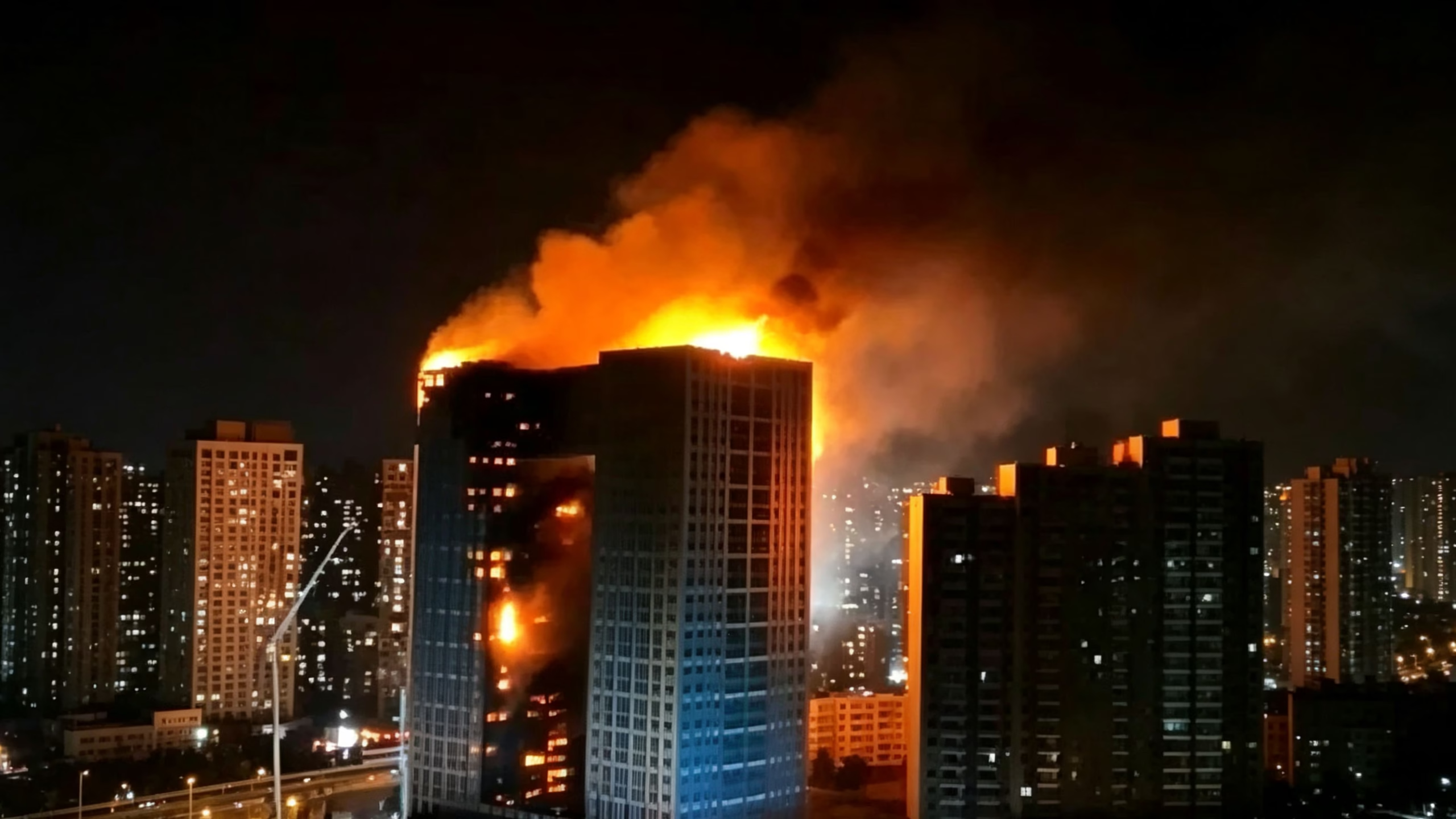
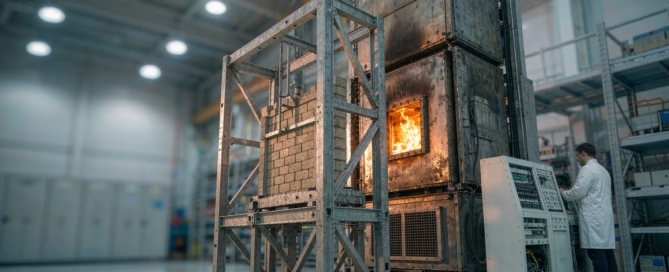
ايزو 834 fire resistance testing exposes a building element to a single standardised temperature-time curve, T = 20 + 345 log10(8t + 1), and measures how long the element survives before failing loadbearing capacity, integrity or insulation. This article computes the curve at ten time points, explains why it is a convention rather than a physical law, sets out how the furnace is controlled and why pressure matters, details the R, E and I criteria and why insulation is judged on both an average and a single hot spot, and maps the ISO 834 parts to the element types they cover.
بواسطة |2026-10-27T13:41:09+08:00أكتوبر 26, 2026|تفسير المعيار|0 تعليقات

كيفية اختبار قابلية المواد البلاستيكية للاشتعال

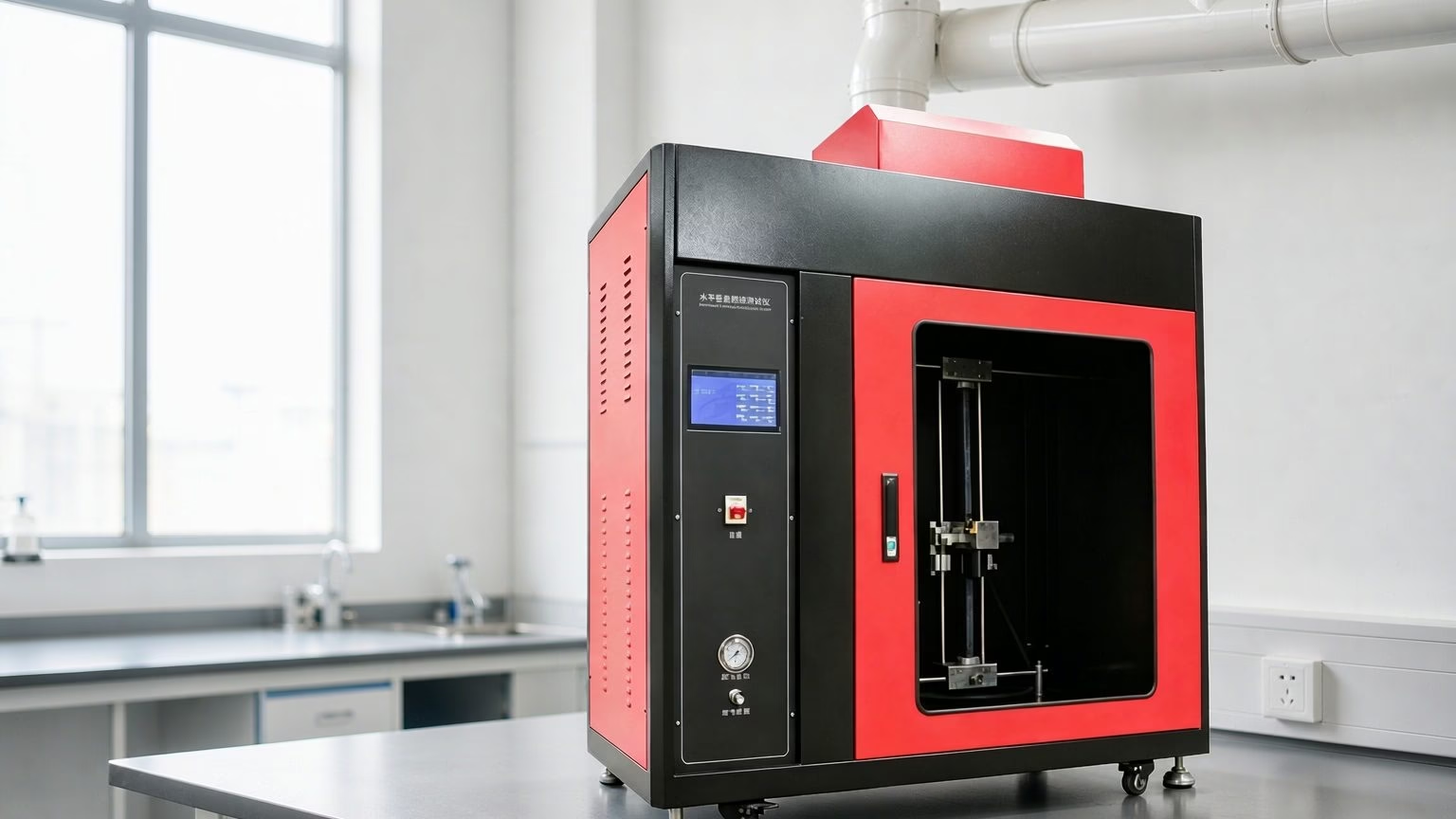
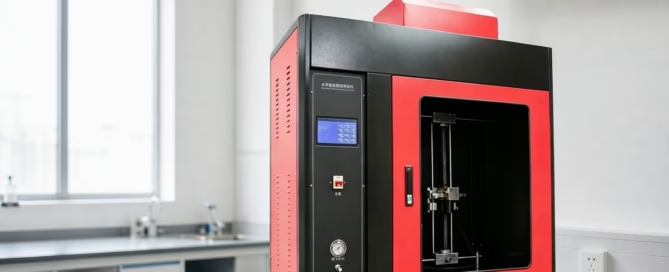
Plastic flammability testing is not one test but four families, and choosing the wrong one is the most expensive mistake in the field. This guide separates ignitability, sustained combustion, flame spread and heat release, maps each of the four test families to the product types and compliance documents that require them, covers the specimen thickness and conditioning traps that cause most inter-laboratory disagreement, and sets out what a small-flame rating does and does not certify.

بواسطة |2026-10-27T13:41:04+08:00أكتوبر 26, 2026|مدونة|0 تعليقات

تحليل FTIR للبوليمرات والبلاستيك

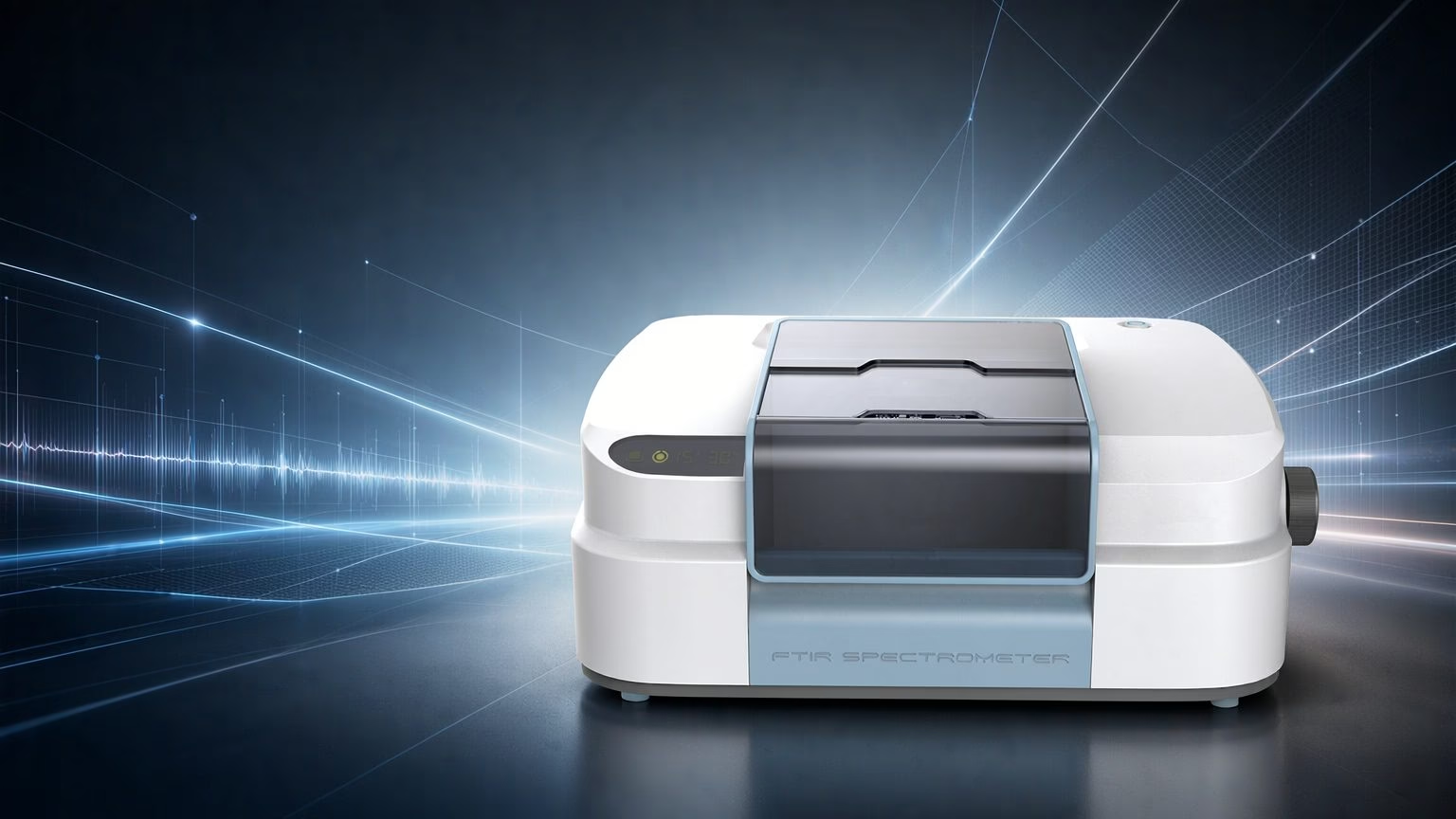
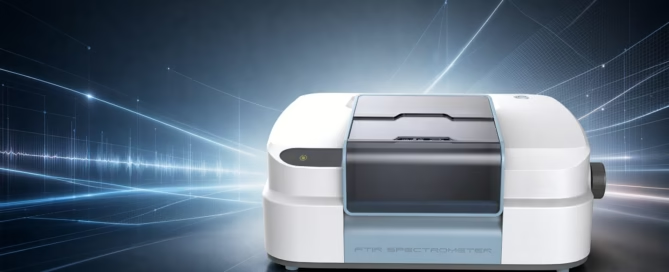
FTIR analysis for polymers works because each functional group absorbs at a wavenumber set by its bond strengths, so a spectrum is a readable inventory of the chemistry present. This guide sets out the diagnostic band positions for eleven common polymers, explains how to tell polyethylene from polypropylene and how to read the carbonyl region, matches the sampling method to each physical form from pellets to foam, and shows where FTIR stops and DSC or melt flow rate has to take over.

بواسطة |2026-10-27T13:40:59+08:00أكتوبر 26, 2026|مدونة|0 تعليقات

لماذا يهم إنتاج الدخان في اختبار الحرائق

Smoke, not heat, is what normally stops people reaching an exit, which is why classification systems carry a separate smoke subscript. This guide separates the three families of smoke measurement, shows how ISO 5659-2, ايزو 5660-1 and EN 13823 each produce a different number, explains how smoke growth rate and total smoke production become an s1, s2 or s3 class under EN 13501-1, and sets out how to match the method to the market you sell into.

بواسطة |2026-10-27T13:40:54+08:00أكتوبر 26, 2026|تفسير المعيار|0 تعليقات

معايير اختبار الحريق لمواد البناء الداخلية

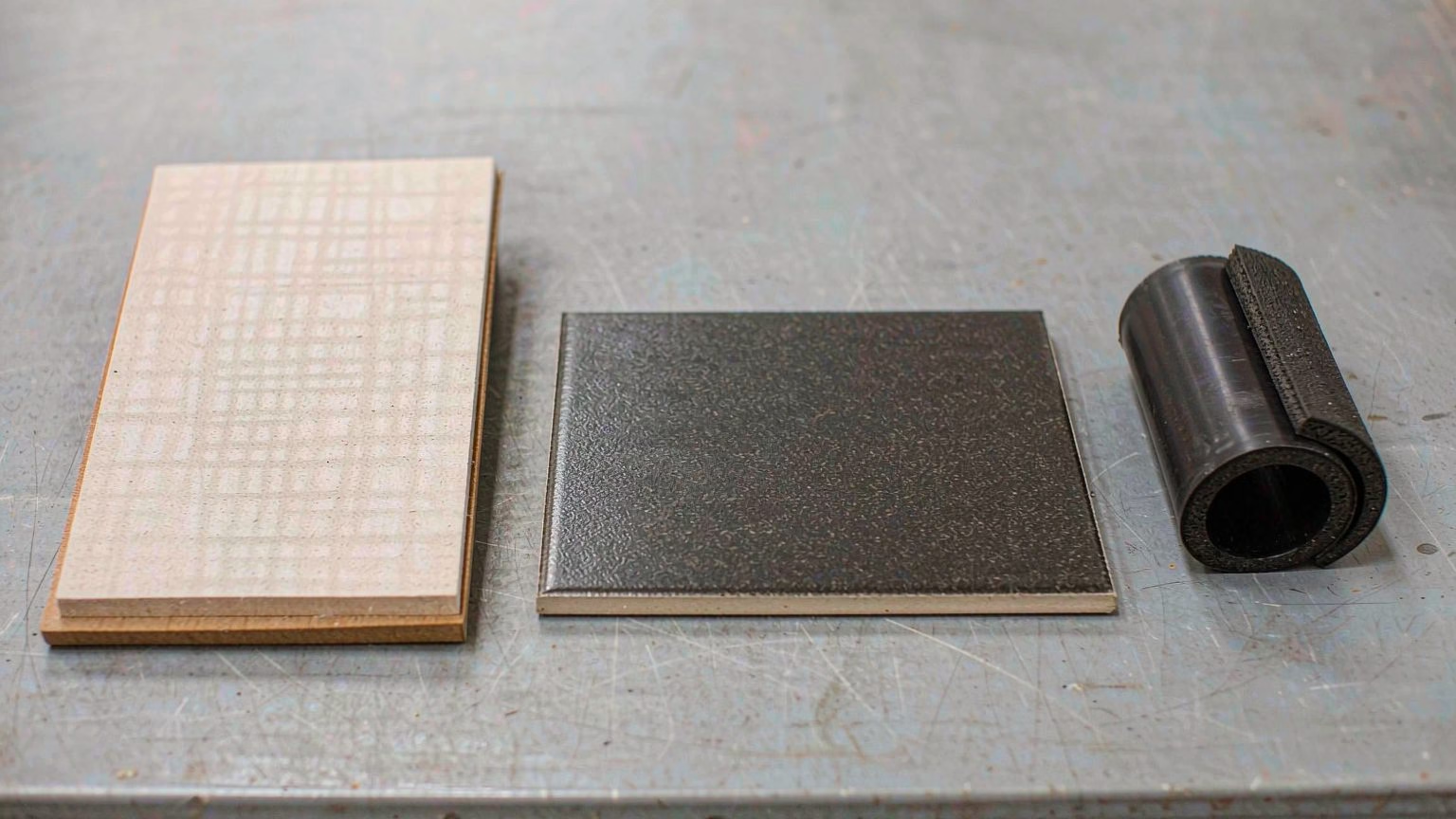
Fire testing standards for interior building materials split by product category before they split by country. Wall and ceiling linings, floorings and linear products each follow their own test programme. This guide maps the European route through EN 13501-1, في 13823 and EN ISO 11925-2, the North American route through ASTM E84 and ASTM E648, and the Chinese GB 8624 system, then sets out the substrate and end-use rule that overrides every one of them, plus the gaps that most often derail a submission.

بواسطة |2026-10-27T13:40:49+08:00أكتوبر 22, 2026|تفسير المعيار|0 تعليقات

Cone Calorimeter Testing: What Does It Measure?

A cone calorimeter test measures how much heat a burning specimen releases, how quickly, and what else comes off it. This guide catalogues the nine outputs the instrument produces — heat release rate, peak heat release, total heat release, time to ignition, mass loss rate, effective heat of combustion, smoke production, specific extinction area and gas yields — explains how oxygen consumption calorimetry derives them, which irradiance settings change every number, where the results are used in EN, ASTM and GB frameworks, and what the instrument does not measure.

بواسطة |2026-10-27T13:40:44+08:00أكتوبر 22, 2026|تفسير المعيار|0 تعليقات

How to Test Flame Spread on Building Materials

Flame spread testing measures how far and how fast a flame travels across a material surface once ignited. There is no single universal method: five cover almost every regulatory requirement. This guide separates flame spread from ignitability and heat release, walks through the tunnel test, the Single Burning Item test, lateral flame spread, the radiant panel methods and small-flame ignitability, then shows how to choose a method by target market, which variables the laboratory controls, how to read each reported quantity, and the mistakes that invalidate results.

بواسطة |2026-10-27T13:40:39+08:00أكتوبر 22, 2026|تفسير المعيار|0 تعليقات

ما هو مقياس الطيف الضوئي للأشعة فوق البنفسجية مزدوج الشعاع؟?

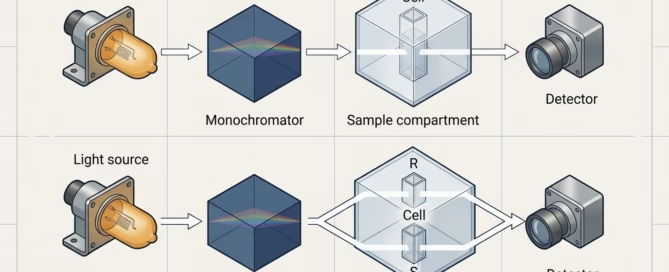
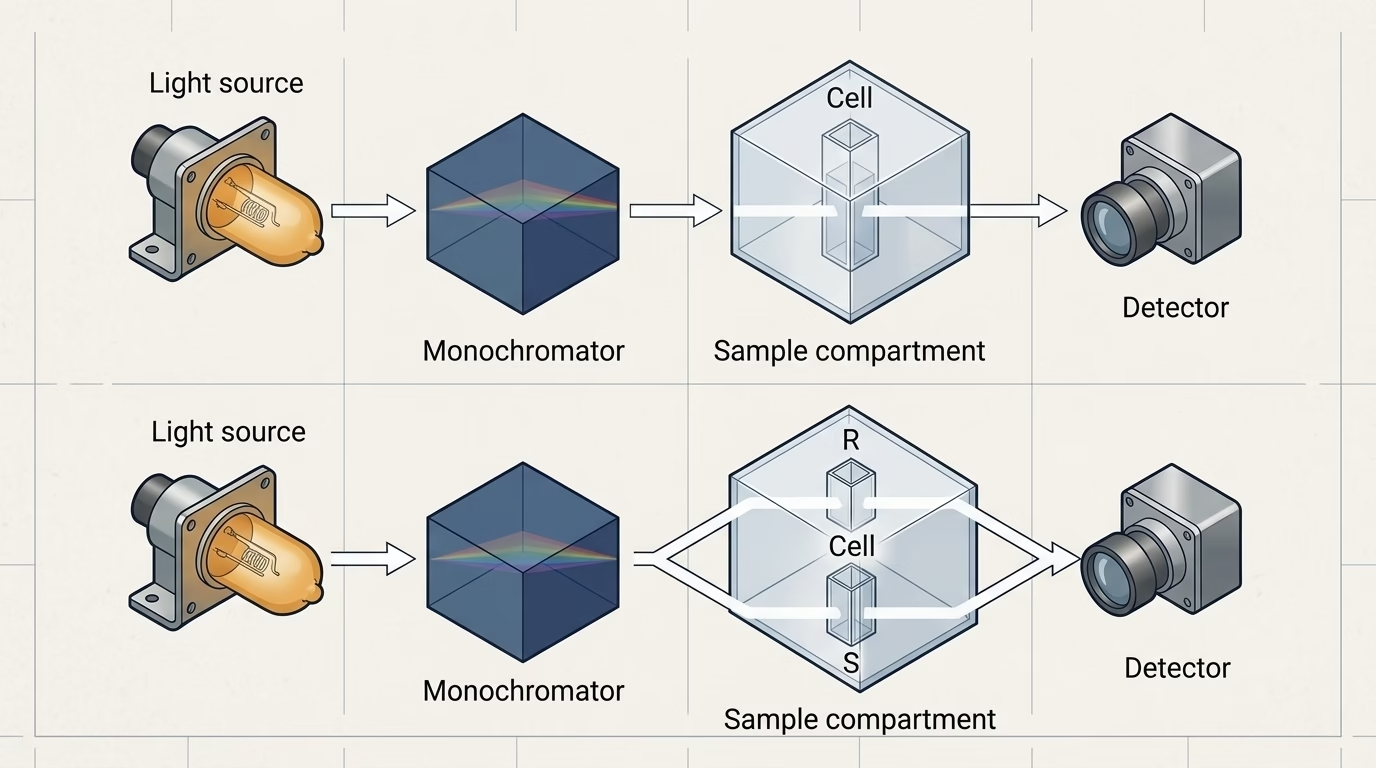
A double beam UV-Vis spectrophotometer splits light from one lamp into a sample path and a reference path and measures the ratio continuously, so source drift and lamp warm-up cancel out. This guide explains the optical architecture component by component, what the second beam physically removes, the five error classes it cannot fix, the specifications worth reading on a datasheet, and how to verify the instrument after installation.

بواسطة |2026-10-27T13:40:34+08:00أكتوبر 22, 2026|مدونة|0 تعليقات

Building Material Fire Classification: A Beginner’s Guide

Building material fire classification answers two different questions, and mixing them is where most beginners go wrong. Reaction to fire asks how much a product contributes to a developing fire; fire resistance asks how long a complete element keeps performing under a standard fire. This guide separates the two, shows how to read a full class string including its subscripts, compares the European, North American and national regimes, explains how a classification is actually issued, and lists the six mistakes that cost manufacturers the most time.

بواسطة |2026-10-27T13:40:29+08:00أكتوبر 21, 2026|مدونة|0 تعليقات

Fire Testing Equipment for Construction Material Manufacturers

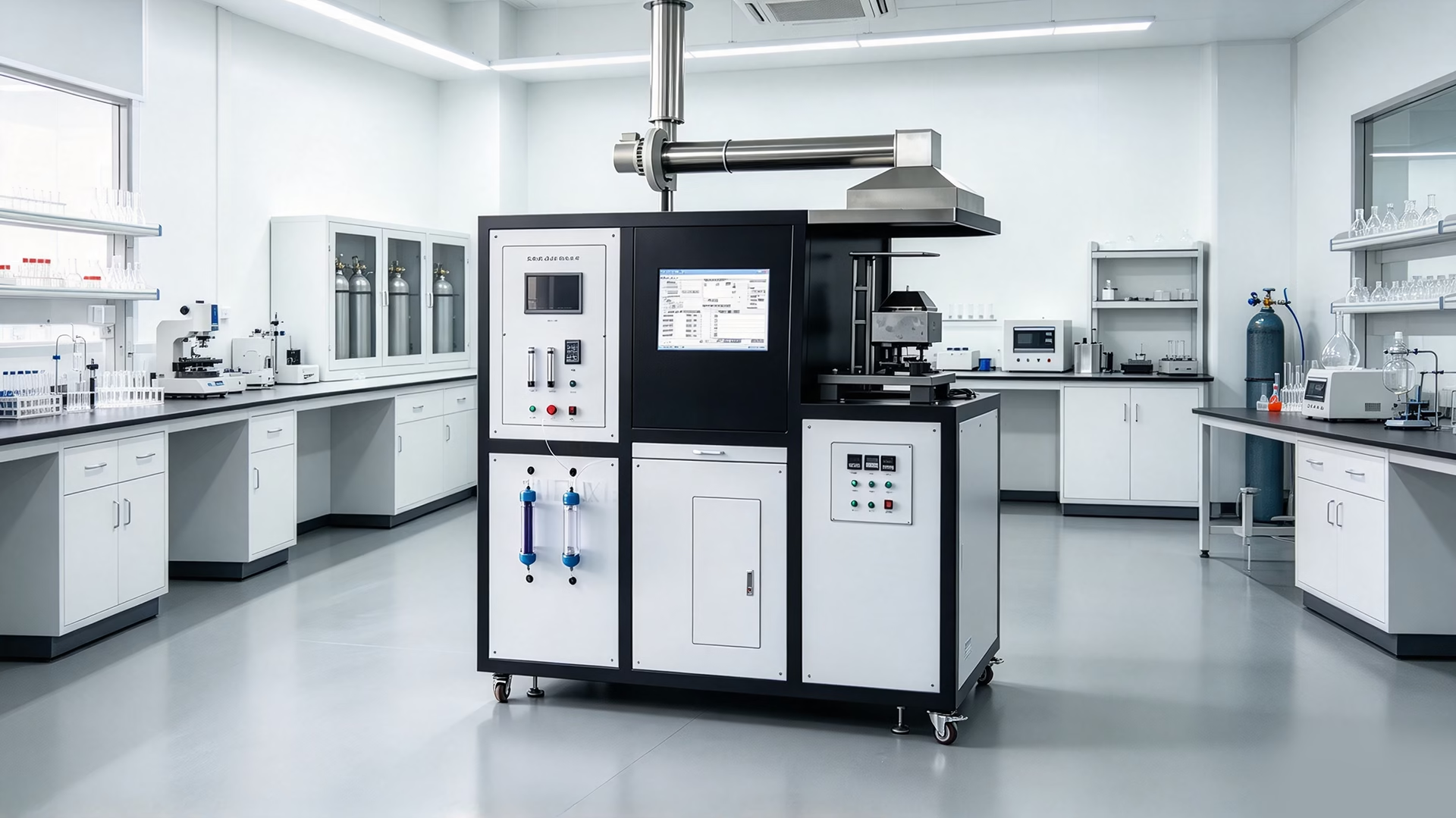
Buying fire testing equipment for construction materials is a decision about a classification capability, not a single machine. Two things set the list: the market whose rules apply and the class you have to reach. This guide maps each product family to its test route, sets out which tests realistically belong in-house and which belong at a partner laboratory, and gives the order in which to buy — including the instruments most manufacturers should not buy yet.

بواسطة |2026-10-27T13:40:09+08:00أكتوبر 21, 2026|مدونة|0 تعليقات
اذهب إلى الأعلى