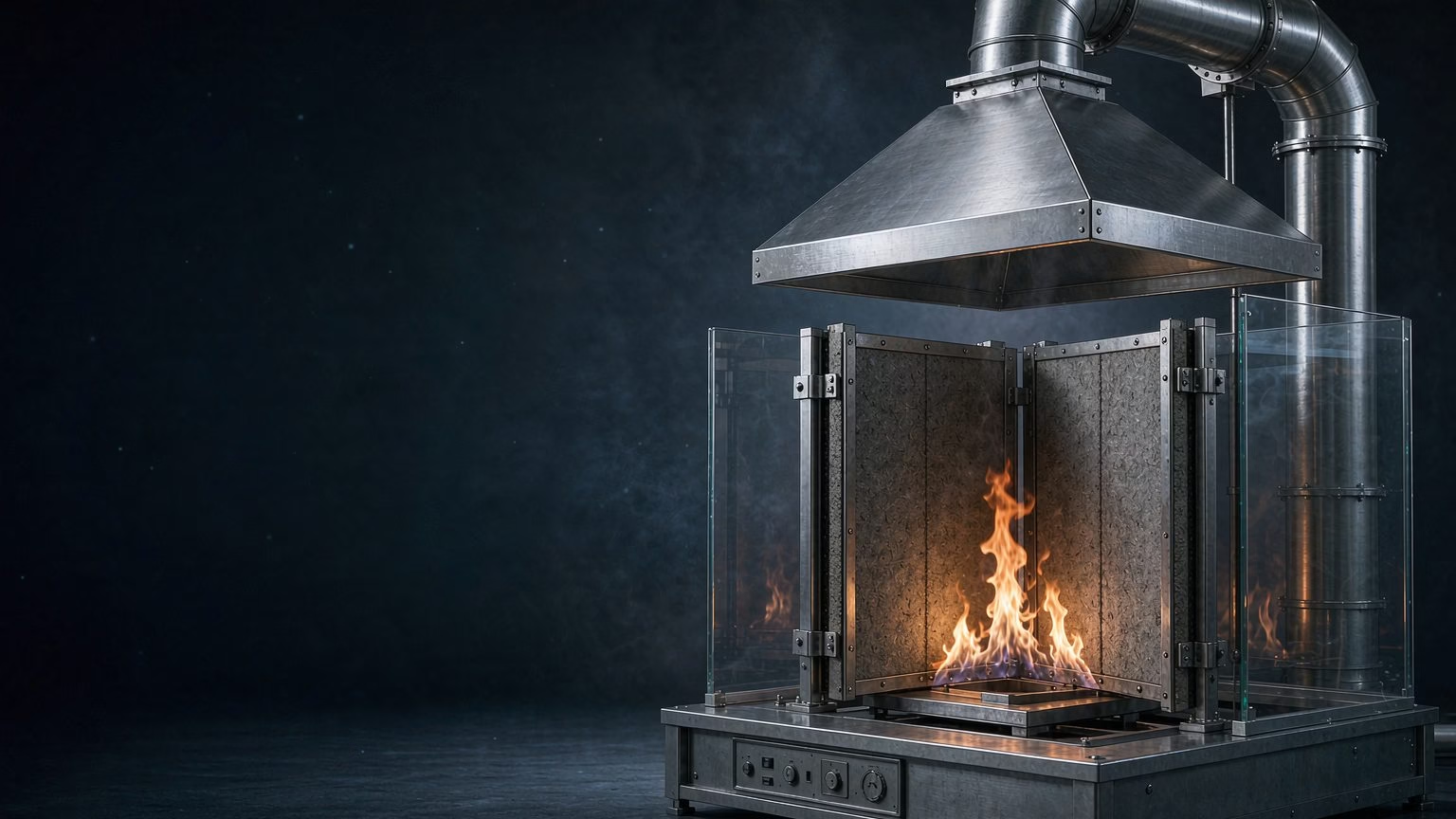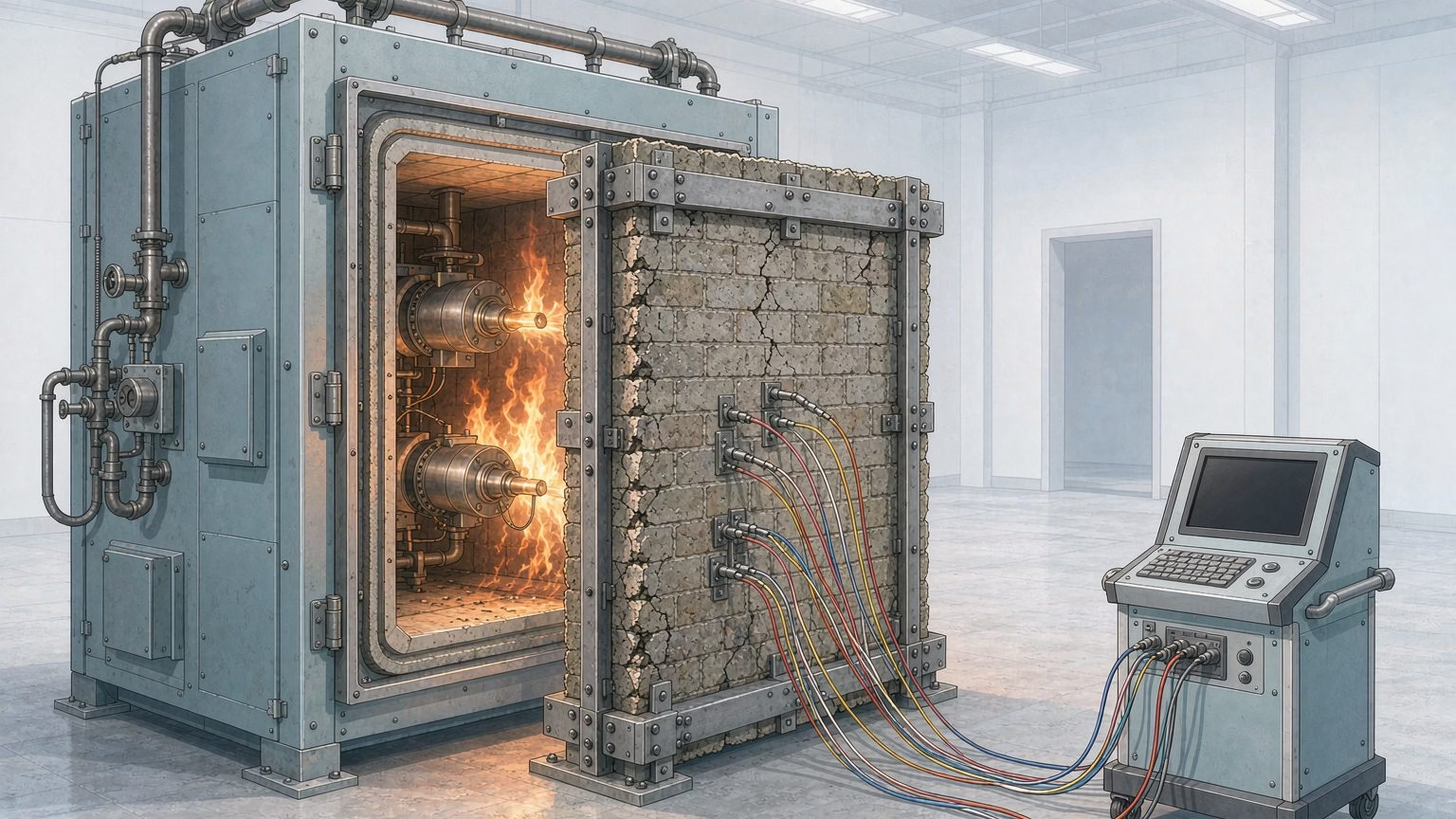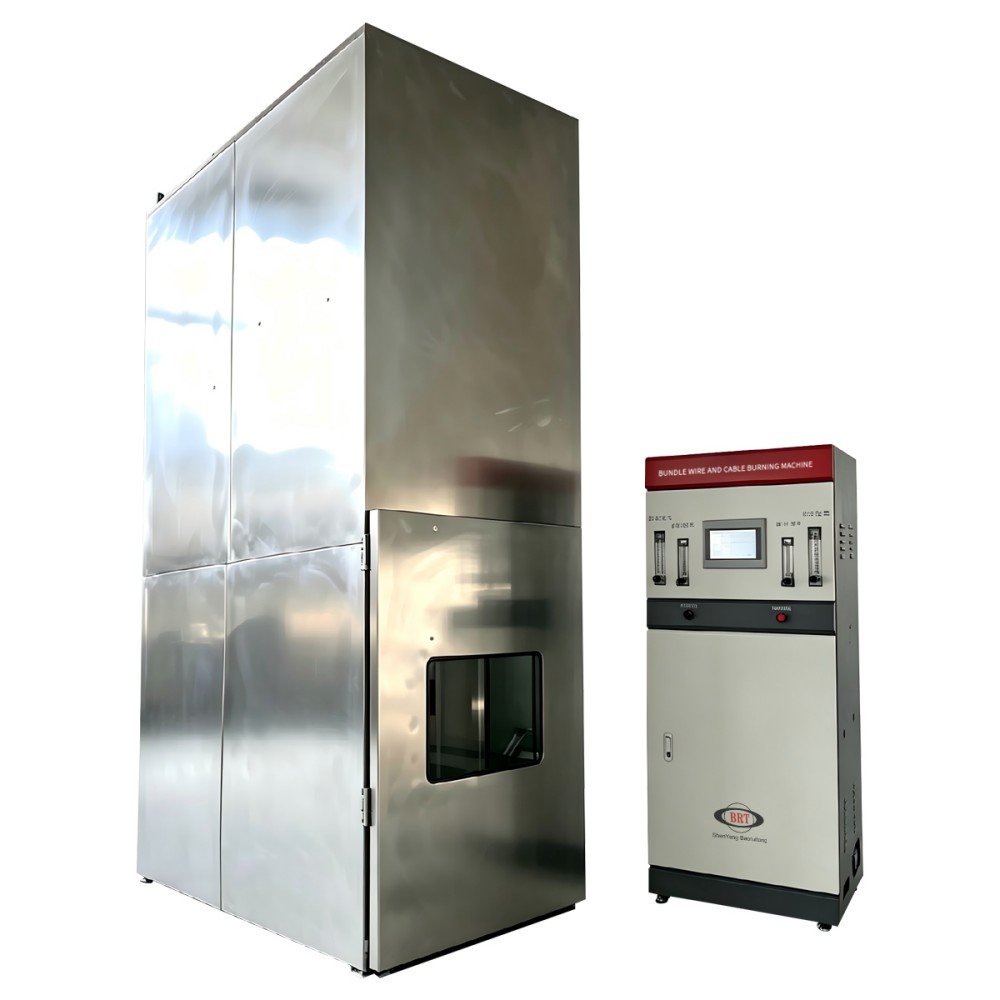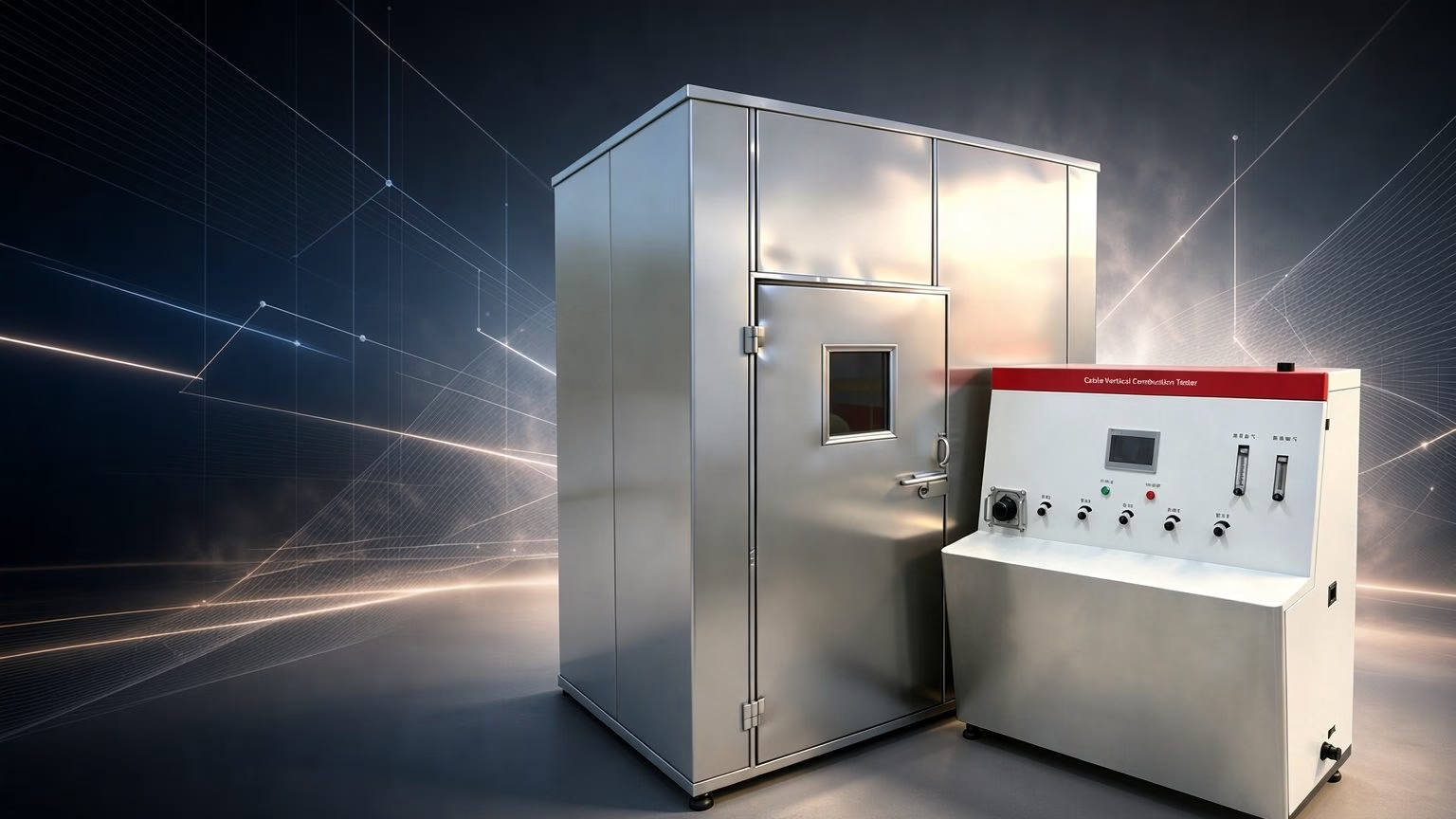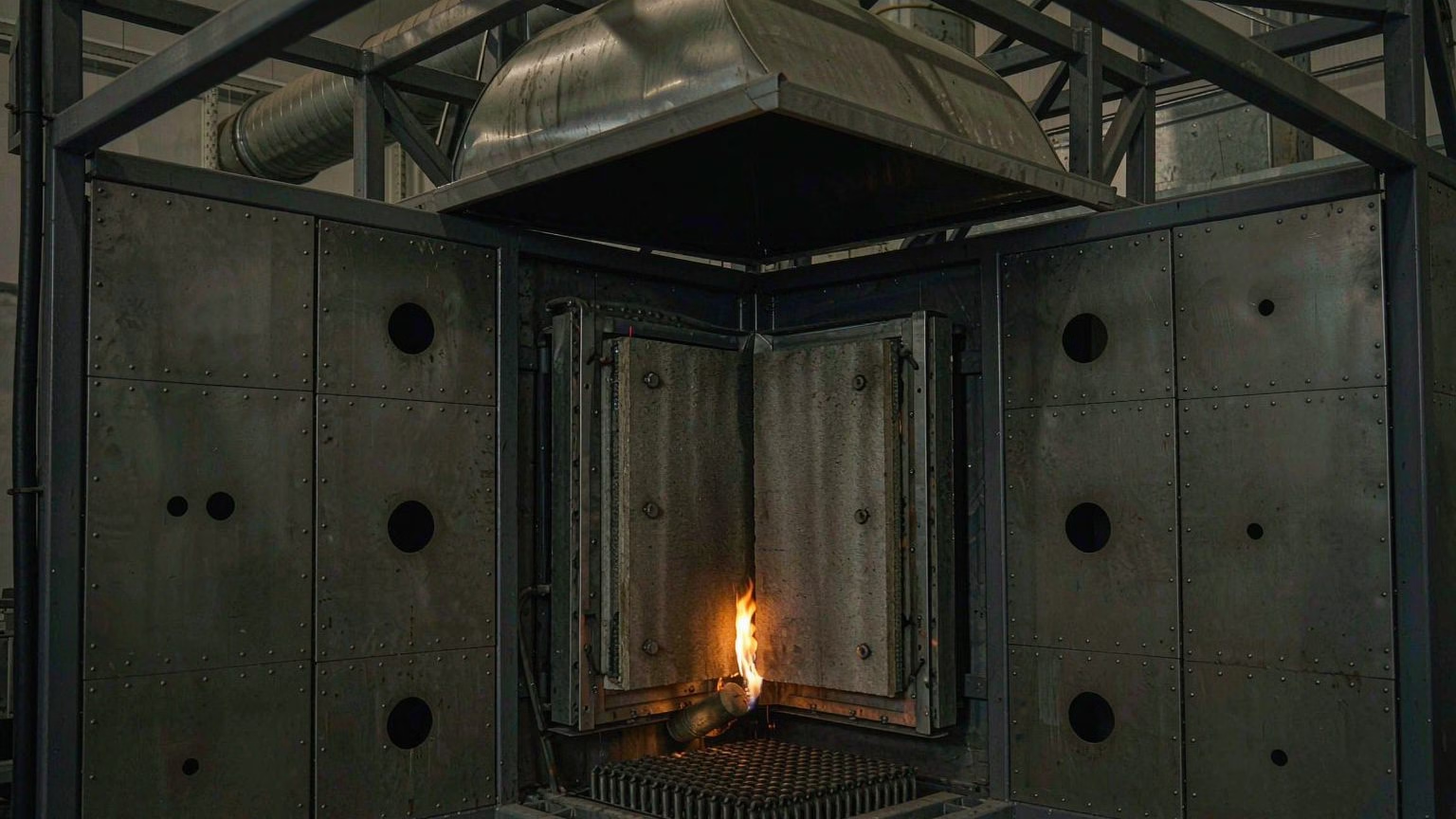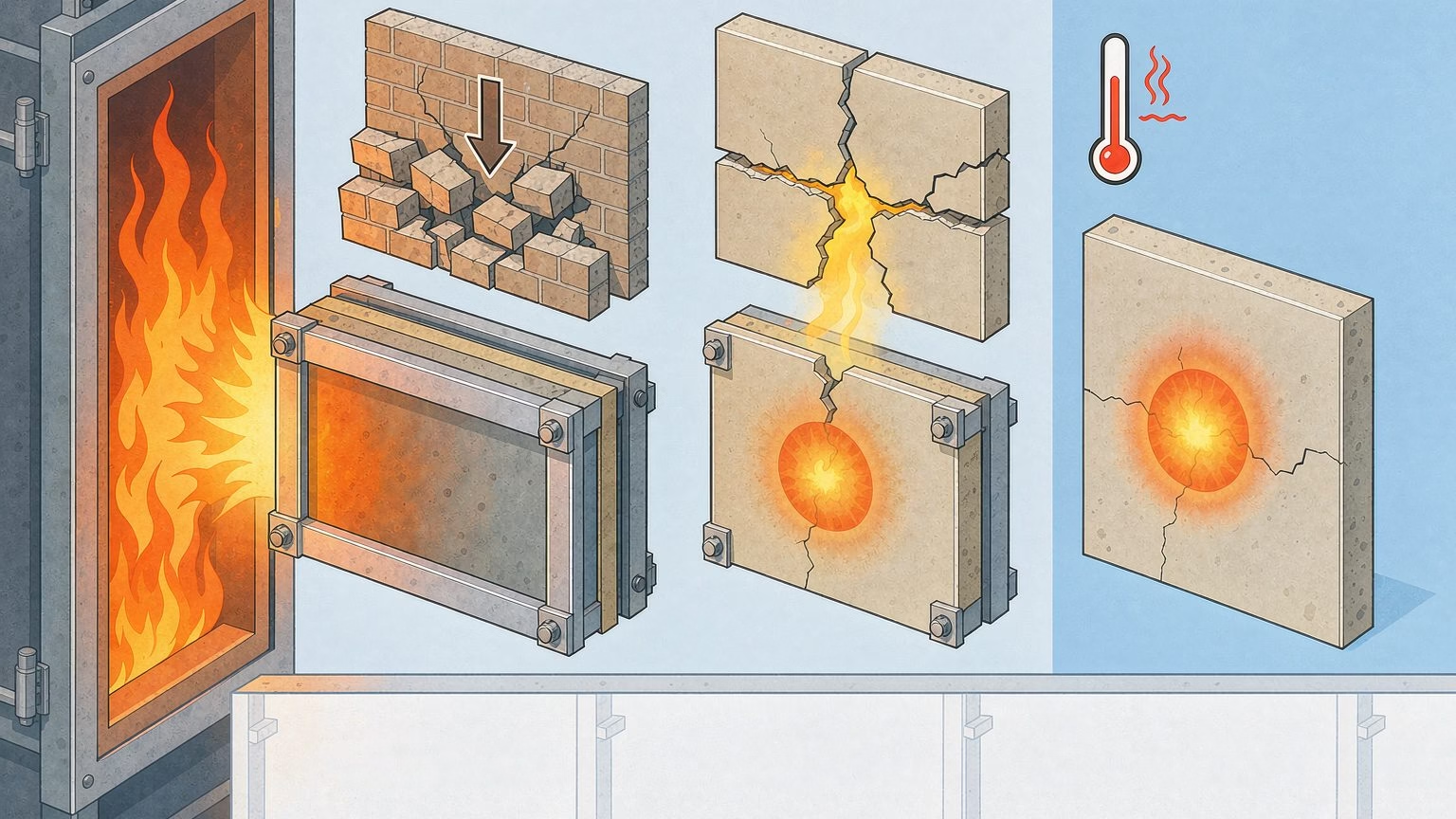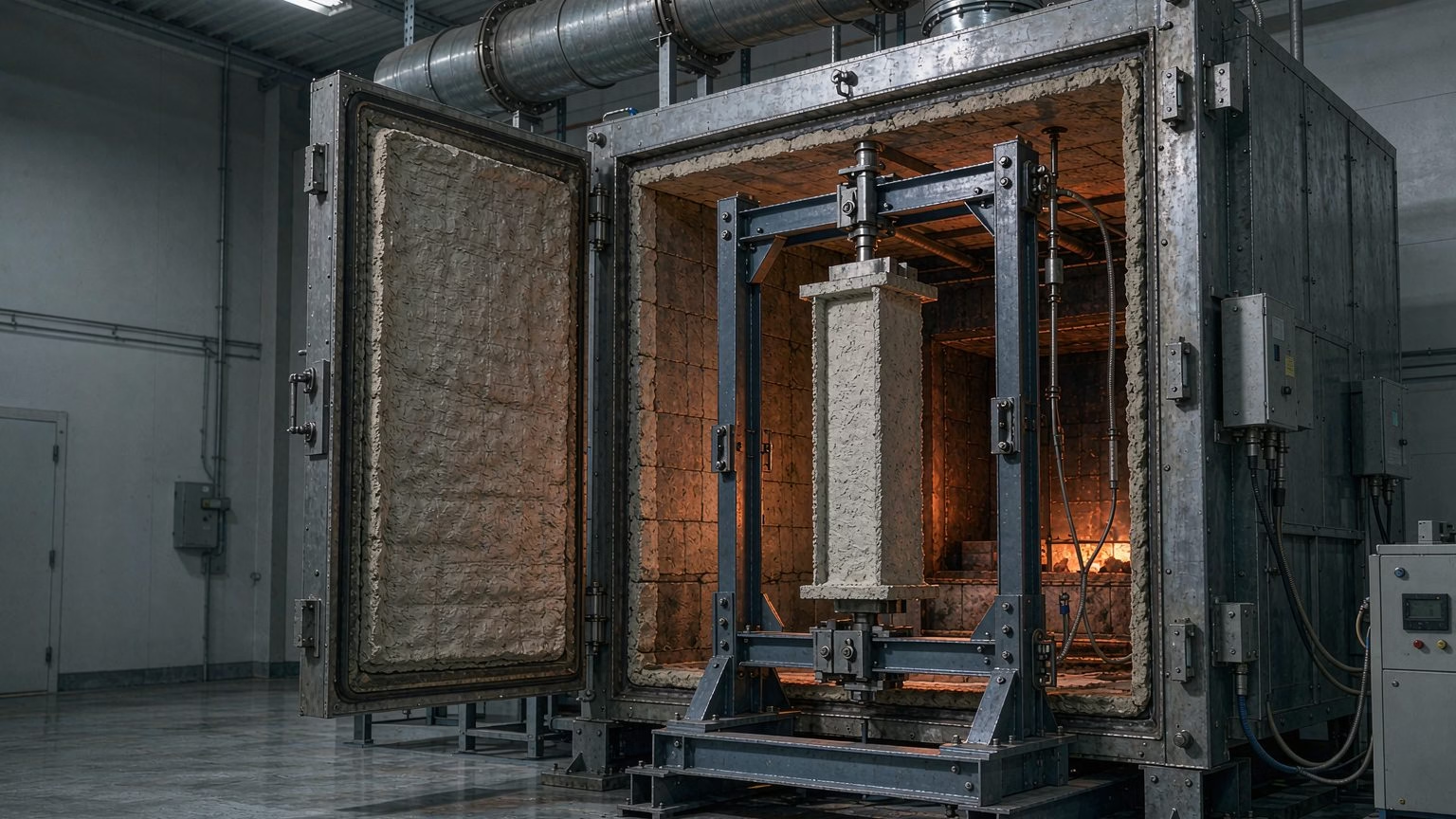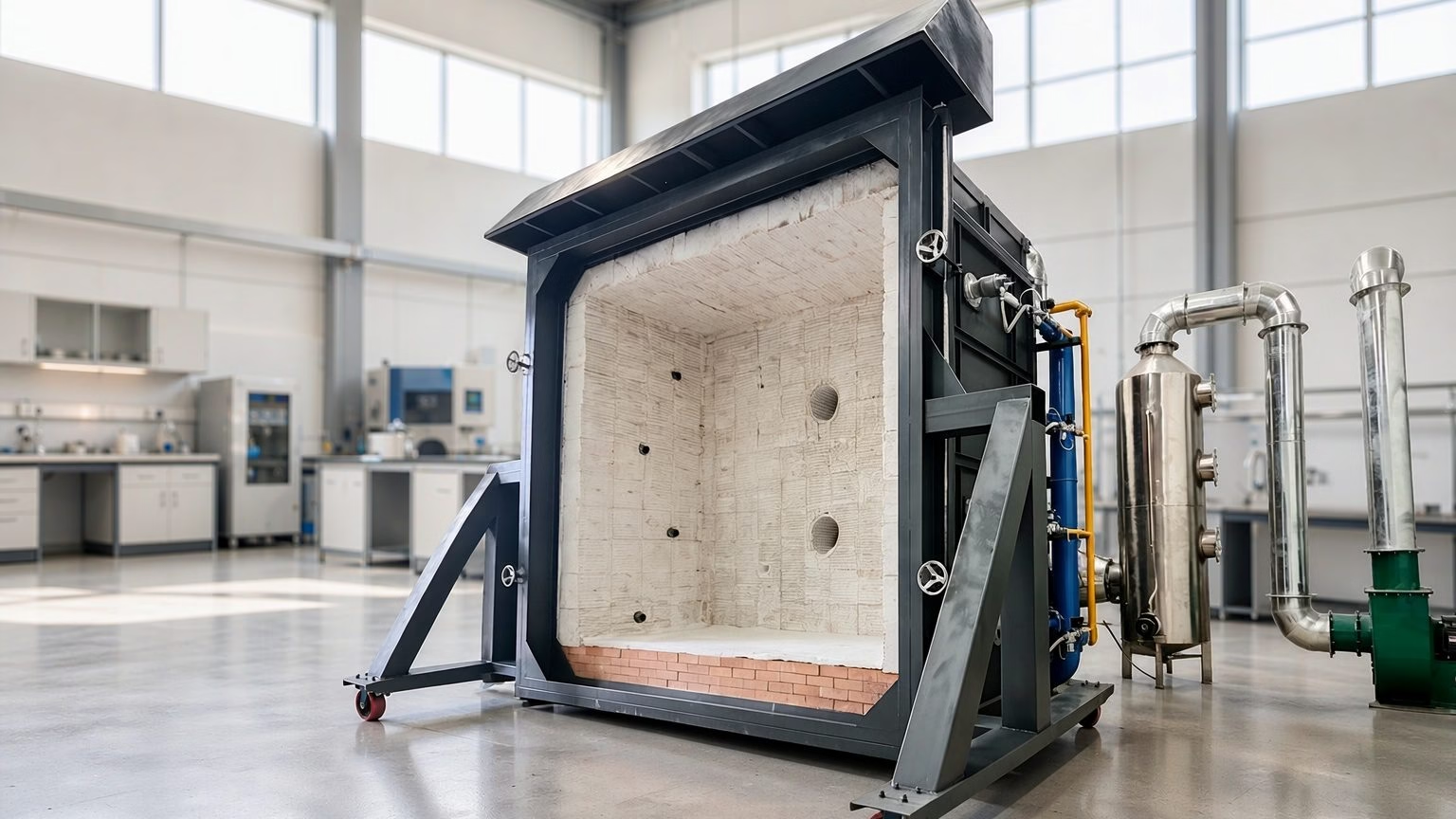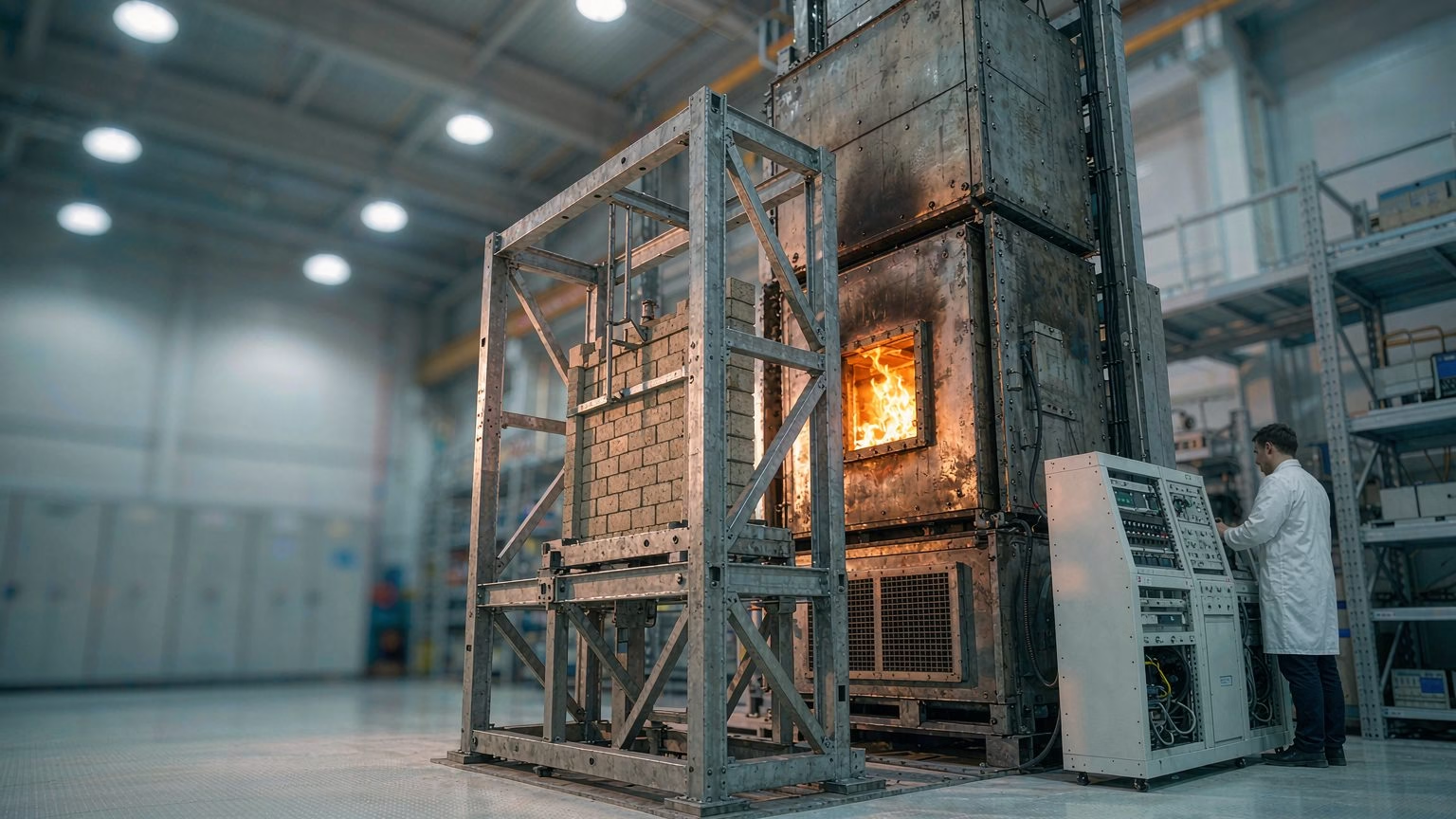
ايزو 834 fire resistance testing exposes a building element to a single standardised temperature-time curve, T = 20 + 345 log10(8t + 1), and measures how long the element survives before failing loadbearing capacity, integrity or insulation. This article computes the curve at ten time points, explains why it is a convention rather than a physical law, sets out how the furnace is controlled and why pressure matters, details the R, E and I criteria and why insulation is judged on both an average and a single hot spot, and maps the ISO 834 parts to the element types they cover.
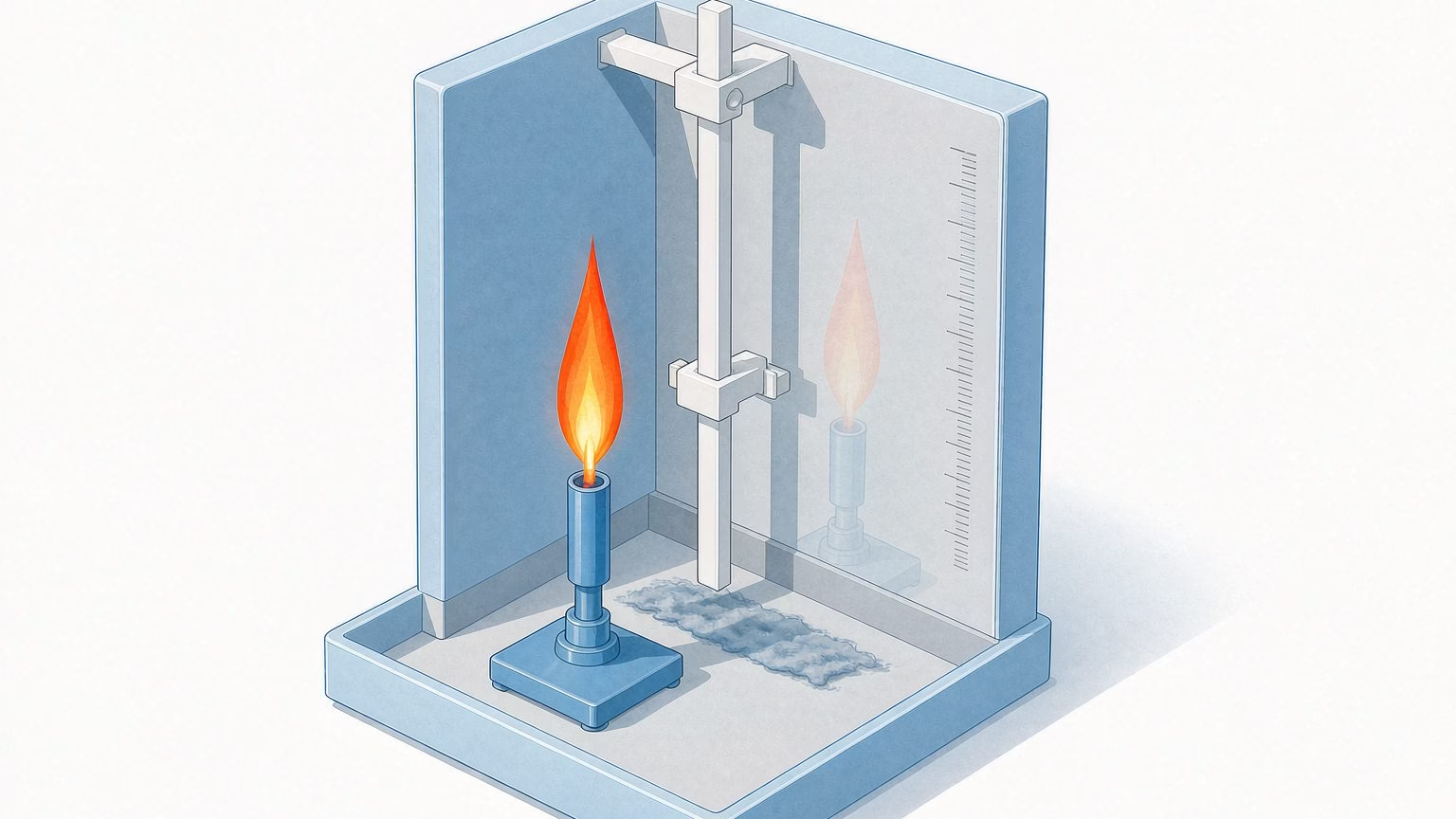
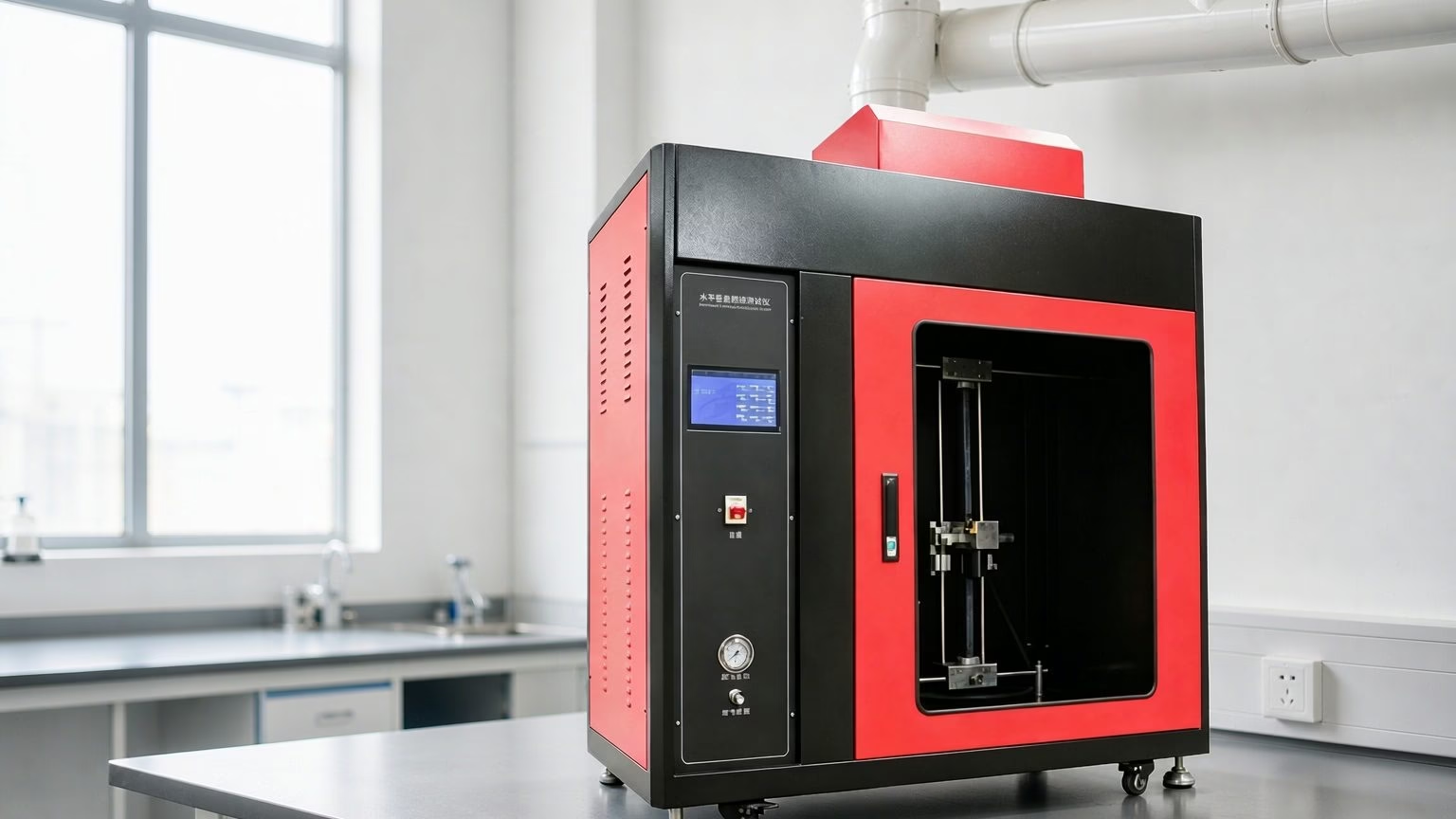
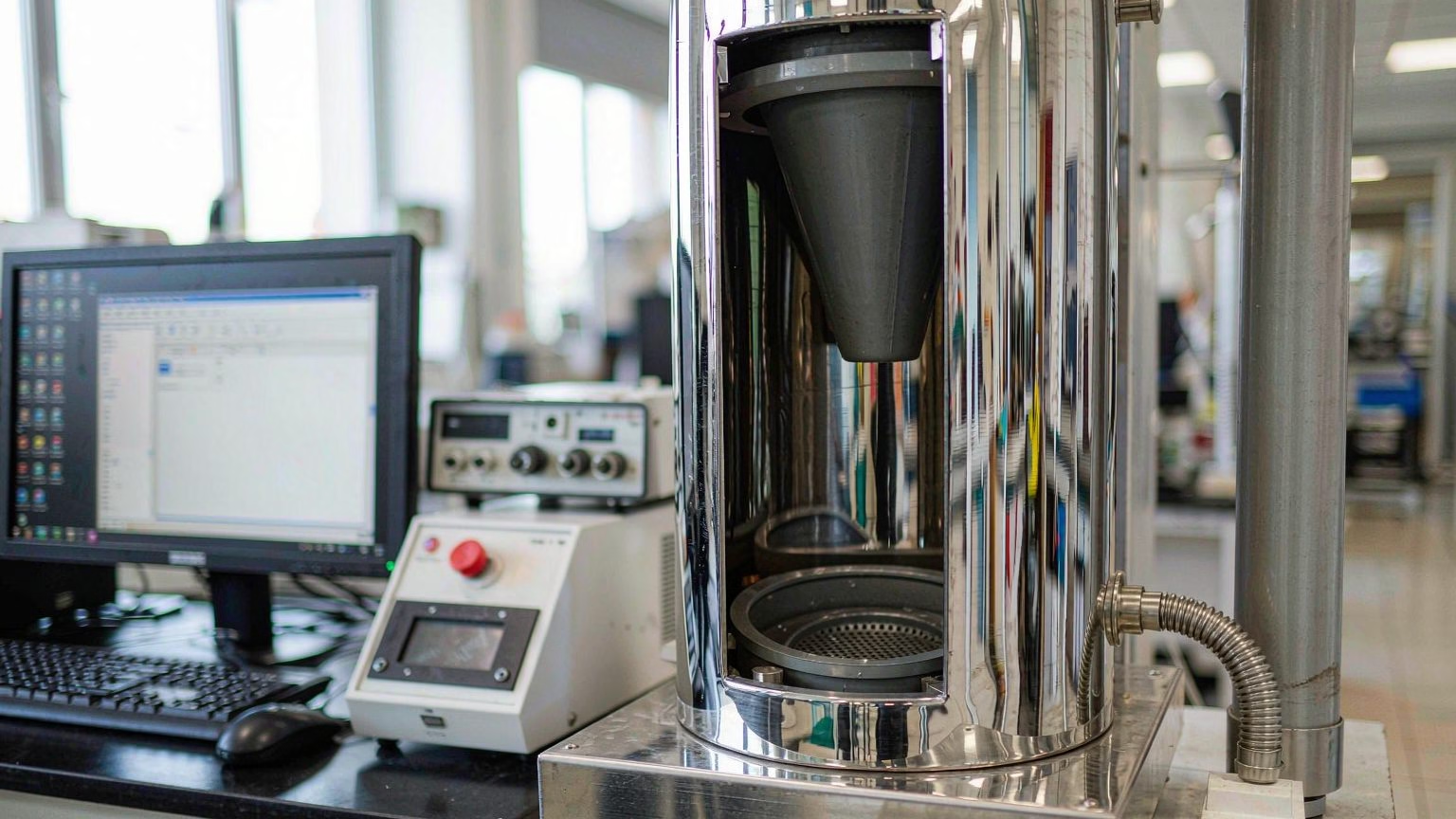
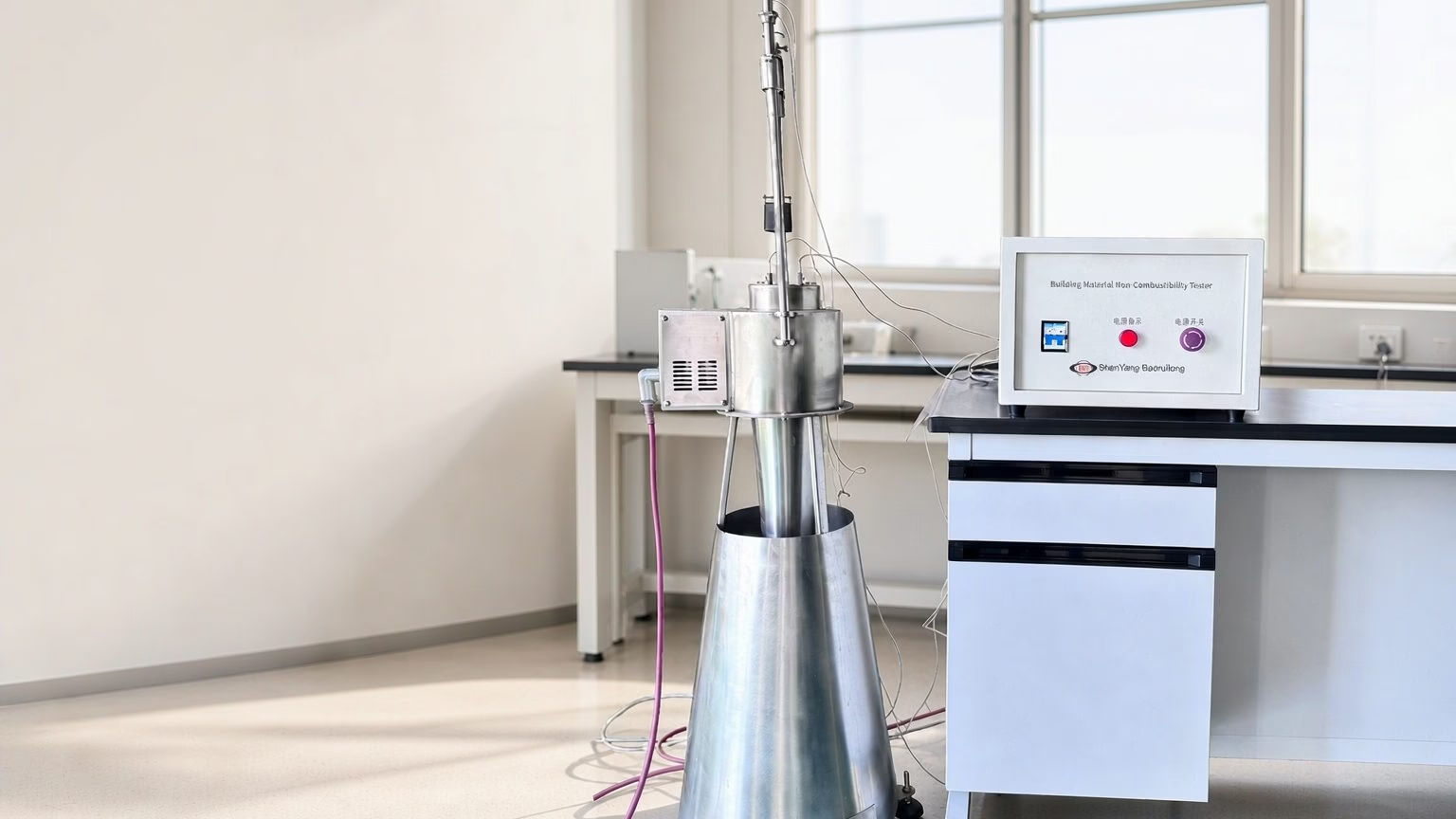
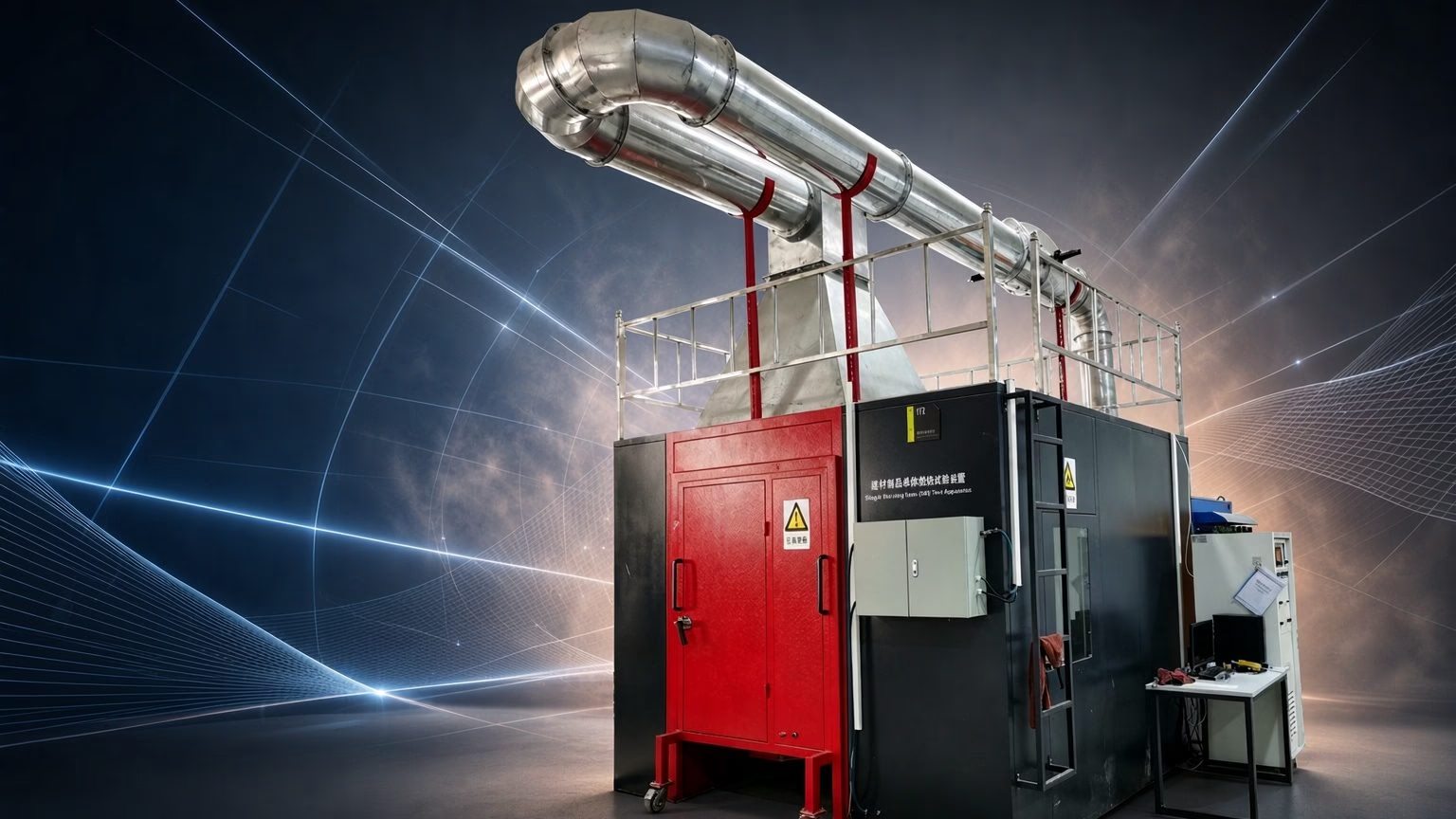
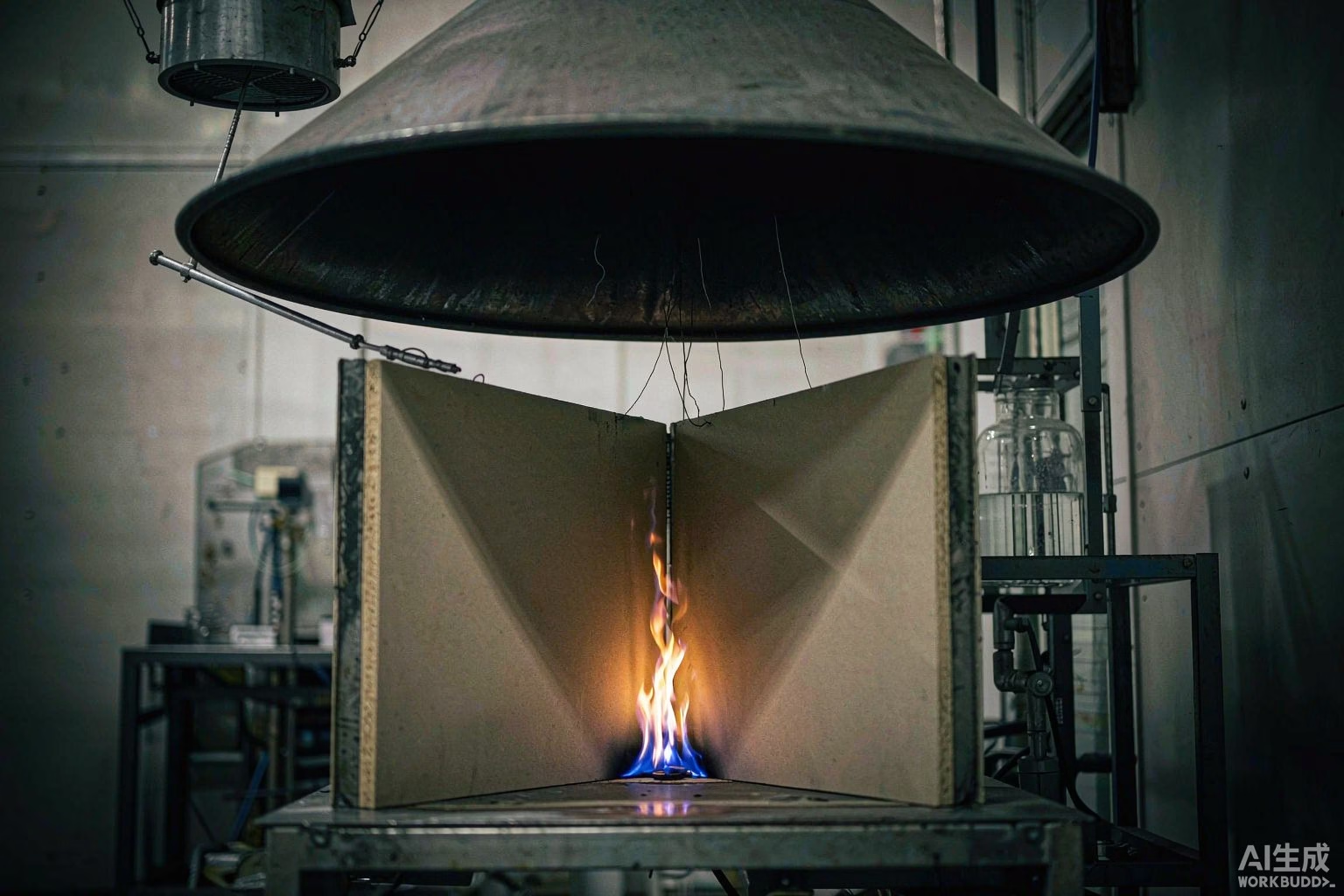
Smoke, not heat, is what normally stops people reaching an exit, which is why classification systems carry a separate smoke subscript. This guide separates the three families of smoke measurement, shows how ISO 5659-2, ايزو 5660-1 and EN 13823 each produce a different number, explains how smoke growth rate and total smoke production become an s1, s2 or s3 class under EN 13501-1, and sets out how to match the method to the market you sell into.
مدونةbravezoeyj@gmail.com2026-10-12T17:14:04+08:00


Latest Articles About Design