+86 15604057553  ▪ info@brt-test.com   ▪

+86 15604057553  ▪ info@brt-test.com   ▪

БРТ ТЕСТИРОВАНИЕ

О bravezoeyj@gmail.com

This author has not yet filled in any details.
So far bravezoeyj@gmail.com has created 79 blog entries.

Building Material Fire Classification: A Beginner’s Guide

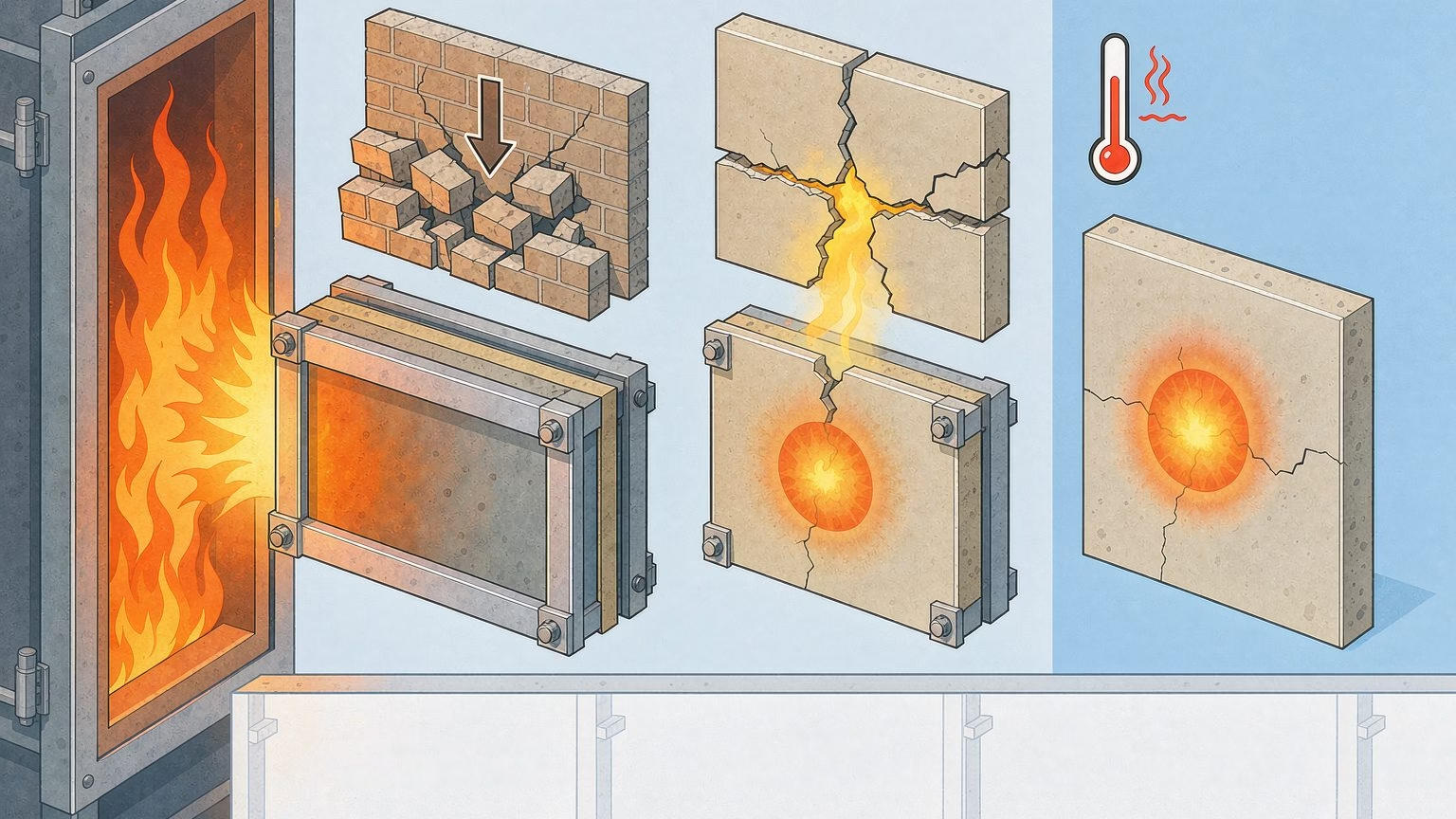
Building material fire classification answers two different questions, and mixing them is where most beginners go wrong. Reaction to fire asks how much a product contributes to a developing fire; fire resistance asks how long a complete element keeps performing under a standard fire. This guide separates the two, shows how to read a full class string including its subscripts, compares the European, North American and national regimes, explains how a classification is actually issued, and lists the six mistakes that cost manufacturers the most time.
К |2026-10-27T13:40:29+08:00Октябрь 21, 2026|Блог|0 Комментарии

Fire Testing Equipment for Construction Material Manufacturers

Buying fire testing equipment for construction materials is a decision about a classification capability, not a single machine. Two things set the list: the market whose rules apply and the class you have to reach. This guide maps each product family to its test route, sets out which tests realistically belong in-house and which belong at a partner laboratory, and gives the order in which to buy — including the instruments most manufacturers should not buy yet.

К |2026-10-27T13:40:09+08:00Октябрь 21, 2026|Блог|0 Комментарии

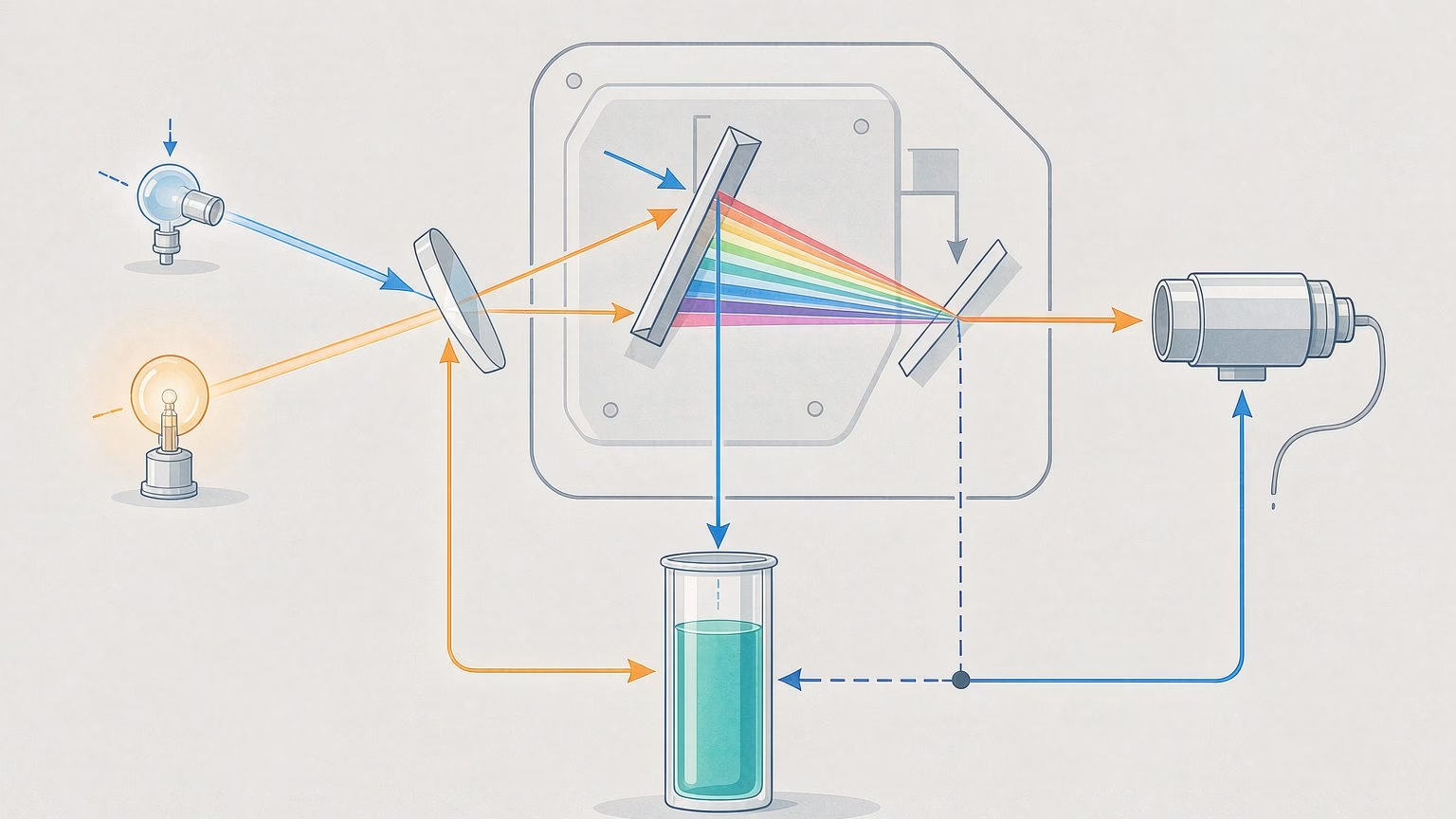
Как спектрофотометр измеряет поглощение?

A spectrophotometer does not measure darkness; it measures a ratio. Two readings of the same light beam — one through the reference, one through the sample — are divided to give transmittance and then converted with a negative logarithm to give absorbance. This article follows that chain from lamp to detector, explains why the scale has to be logarithmic, sets out the Beer-Lambert relationship and the six ways the reading departs from it, and shows how to verify that the number the instrument prints is one you can defend.

К |2026-10-27T13:40:14+08:00Октябрь 21, 2026|Блог|0 Комментарии

МЭК 60695 Испытание на воспламеняемость: Практическое руководство

МЭК 60695 is not one test but a family of fire hazard test methods, and the product standard rather than IEC 60695 decides which method applies and at what severity. This guide maps the series by ignition source, separates GWEPT from GWFI and GWIT, sets out what changed in the 2021 editions, explains why a V-0 datasheet is not compliance evidence for a finished assembly, and gives the sequence in which to run the tests and specify the equipment.

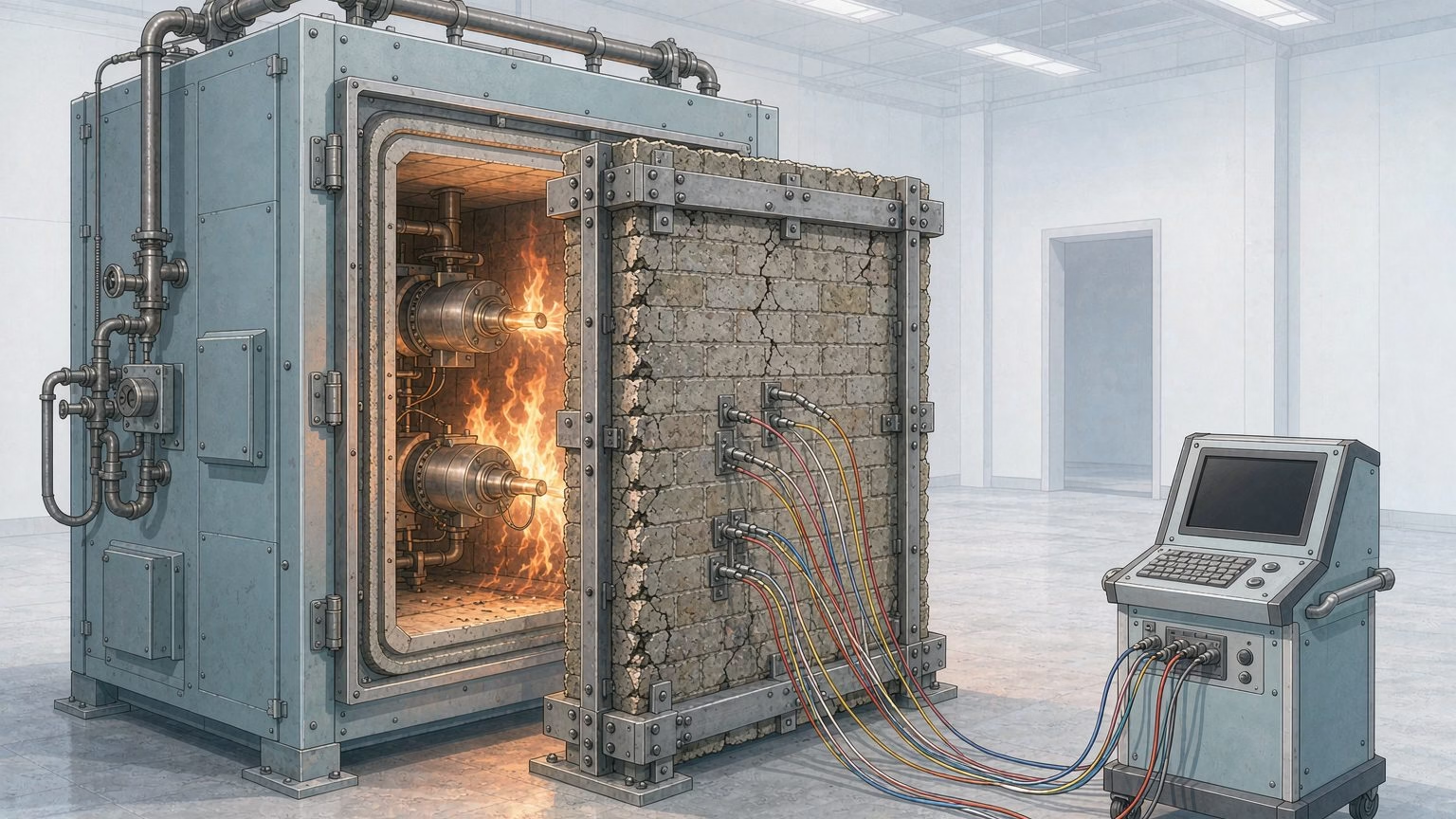
Fire Resistance Testing for Steel Structures: Key Requirements

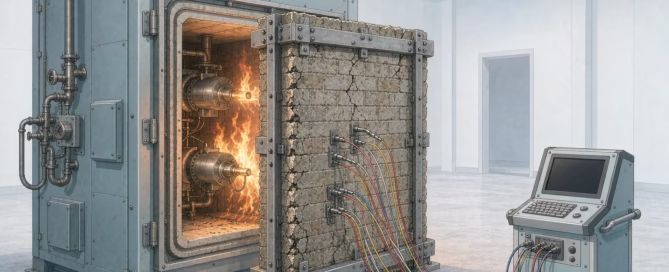
Fire resistance testing for steel structures produces a time rating for a protected member, not a property of the steel itself. That rating depends on the load ratio, the section factor, the protection type and the thickness applied, and it is extended to other sections by calculation in an assessment report. This guide sets out what an R 60 or R 90 rating actually describes, the three protection routes and the standard each one is assessed against, how a loaded furnace test is run, and the site changes that void a rating after it has been issued.

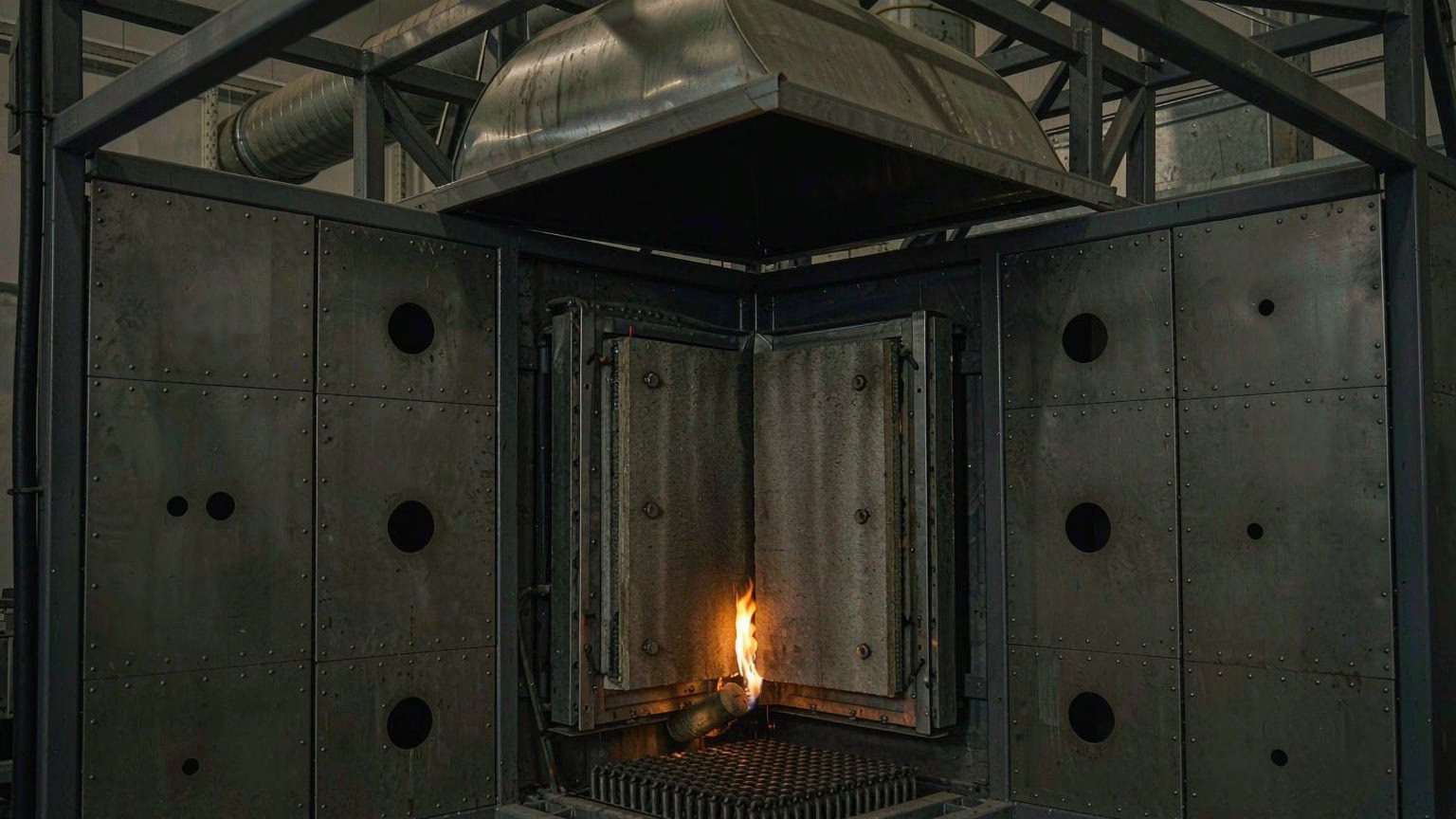
How to Test the Fire Performance of Building Insulation Materials

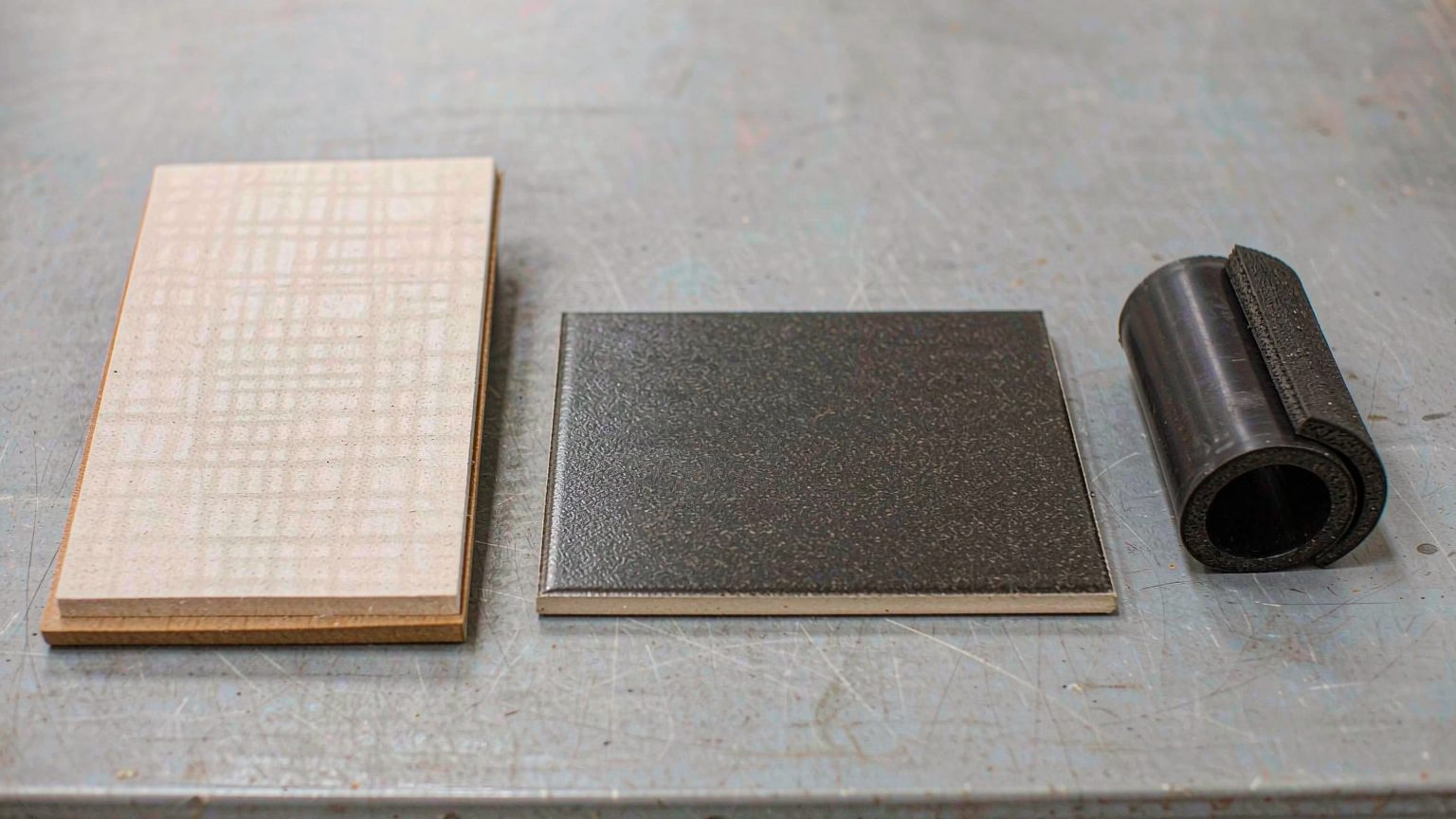
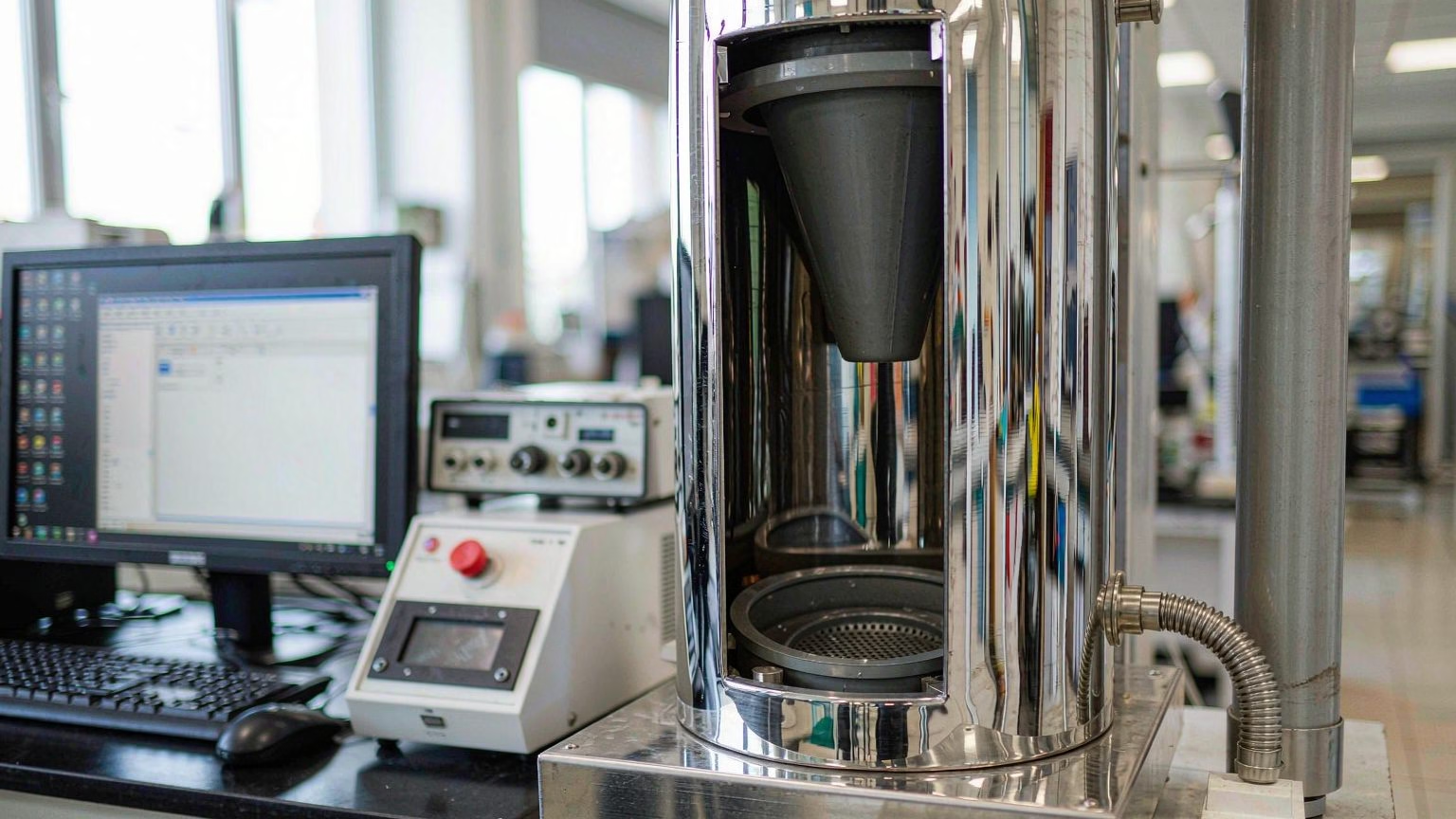
Testing the fire performance of building insulation is not a single test, and which test decides the result depends on the product. Mineral wool is settled by non-combustibility and calorific potential; EPS and PIR are settled by the SBI and the small-flame test; foil-faced boards are settled by their facings. This guide maps the four reaction-to-fire methods behind a Euroclass, the criteria that decide each class, and the three tests that sit outside the classification system, including ASTM E84 for North America and NFPA 285 for facade assemblies. It also covers pipe insulation's separate L classes, the specimen preparation errors that cause most retests, and the seven fields a test report must state before a class can be quoted in a tender.

FTIR против УФ-Вид: Какой спектроскопический метод следует использовать?

FTIR and UV-Vis are both spectroscopic techniques, and that is where the similarity ends. FTIR reads molecular vibrations in the mid-infrared and identifies what a material is; UV-Vis reads electronic transitions in the ultraviolet and visible and quantifies how much of a known substance is in solution. This comparison sets the two side by side: what each one measures, the sample preparation each demands, how the same specification words mean different things on the two datasheets, where quantitative capability really ends, and which laboratories genuinely need both instruments rather than one.

К |2026-10-27T13:39:59+08:00Октябрь 20, 2026|Блог|0 Комментарии

Fire Resistance vs Flame Retardancy: What Is the Difference?

Fire resistance and flame retardancy are two different properties, measured by two different families of tests, and one never implies the other. Fire resistance is a time-based rating of a loaded assembly inside a furnace, classified under EN 13501-2. Flame retardancy describes how a material responds to a defined ignition source, classified under EN 13501-1 or screened with UL 94. This guide sets the two side by side: which standards govern each, what a report line actually proves, how a steel column and a fire-resistant cable end up carrying both kinds of evidence, where flame-retardant claims break down in service, and the four questions to answer before writing a fire requirement.

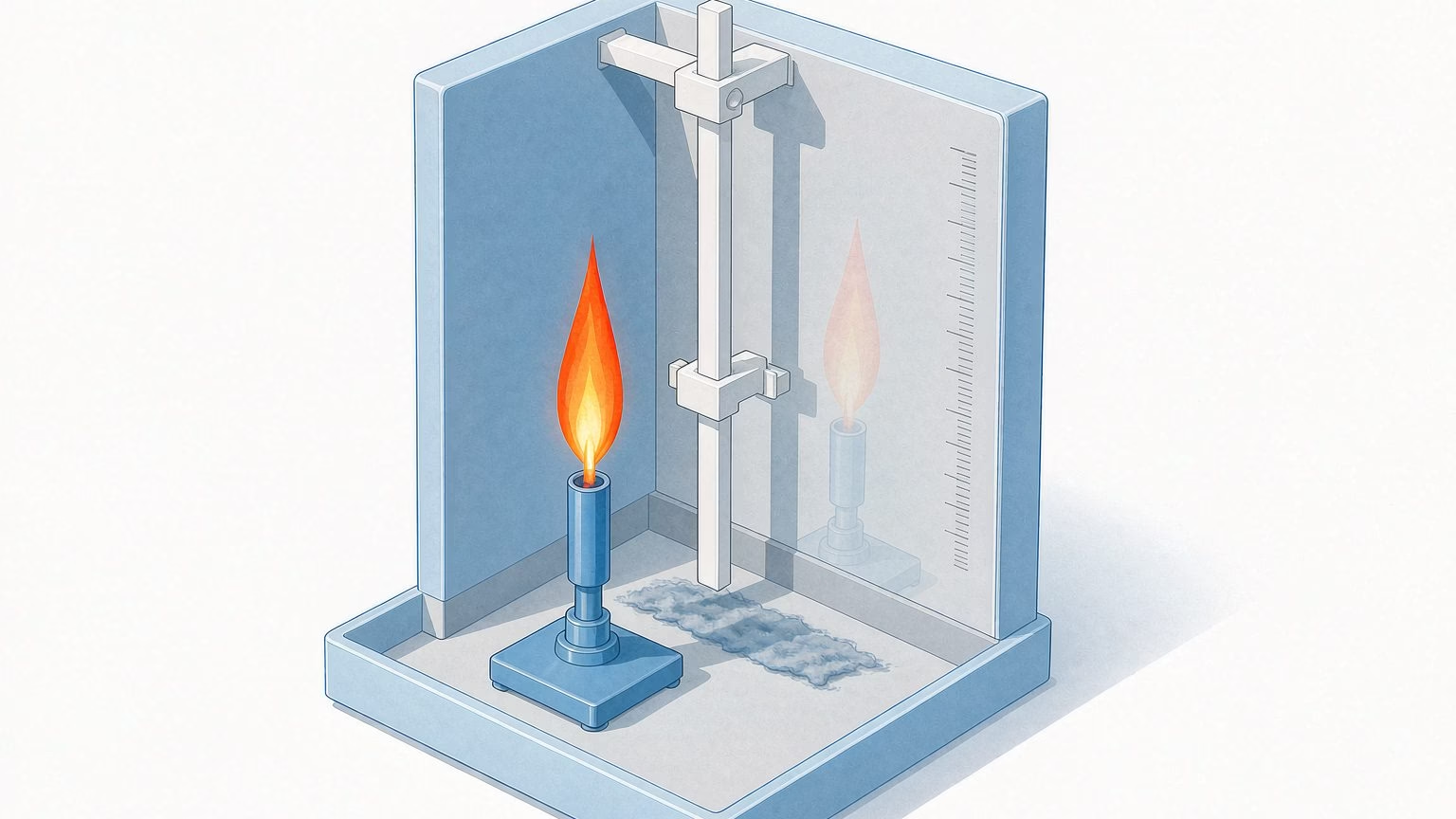
Horizontal vs Vertical Flammability Testing for Plastics

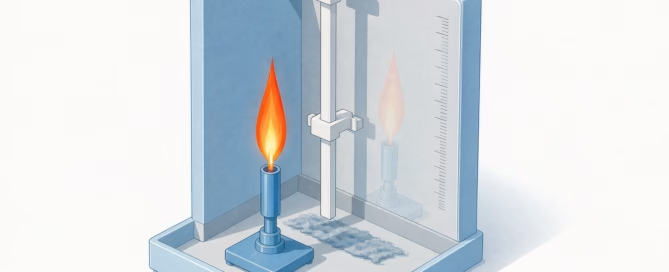
Horizontal and vertical flammability testing for plastics look like the same test turned through ninety degrees. Они не. The orientation changes what the flame can do to the specimen, which property is measured, and which standards apply, so a horizontal result cannot be converted into a vertical one. This guide compares the two set-ups side by side, sets out the standards behind each orientation including ASTM D635, ASTM D3801 and IEC 60695-11-10, explains how thickness, pigment and conditioning move results more than orientation does, and shows how to specify equipment that covers both.

К |2026-10-27T13:39:45+08:00Октябрь 19, 2026|Блог|0 Комментарии

How to Choose a Fire Testing Laboratory Equipment Supplier

Choosing a fire testing laboratory equipment supplier is a decision about evidence, not about brochures. The instrument has to reproduce a published method, the calibration has to be traceable, and the supplier has to still be there when a thermocouple fails during an accreditation audit. This guide sets out the six criteria that predict whether an installation works, how to read a quotation, what to ask an application engineer, and the red flags that appear before a purchase order rather than after it.

К |2026-10-27T13:39:49+08:00Октябрь 19, 2026|Блог|0 Комментарии
Перейти наверх