+86 15604057553  ▪ info@brt-test.com   ▪

+86 15604057553  ▪ info@brt-test.com   ▪

БРТ ТЕСТИРОВАНИЕ

О bravezoeyj@gmail.com

This author has not yet filled in any details.
So far bravezoeyj@gmail.com has created 79 blog entries.

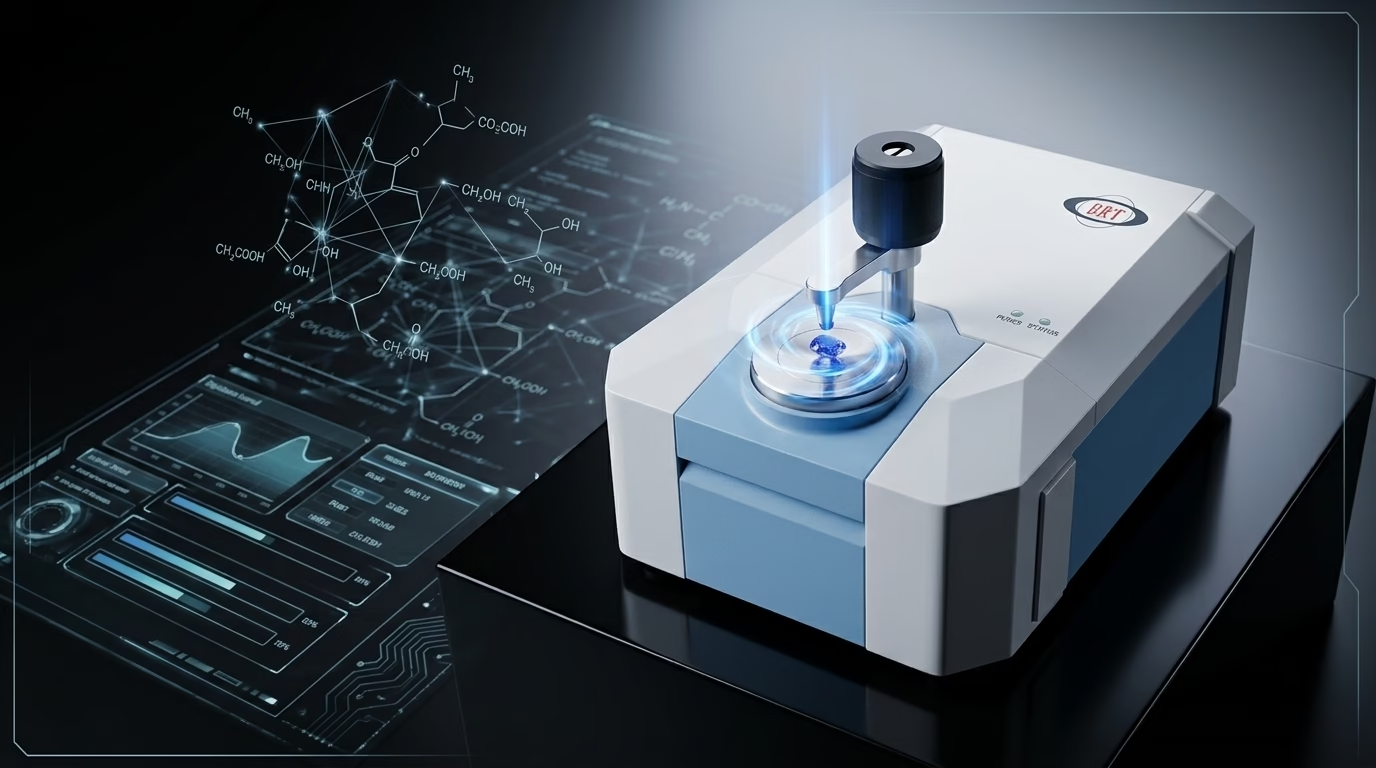
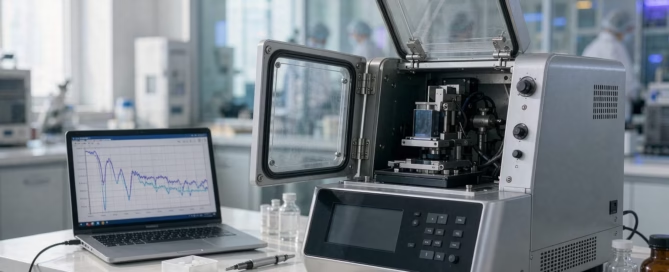
What Is a FTIR Spectrometer Used For? 8 Core Uses

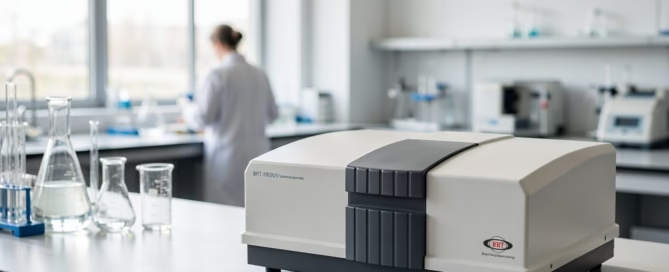
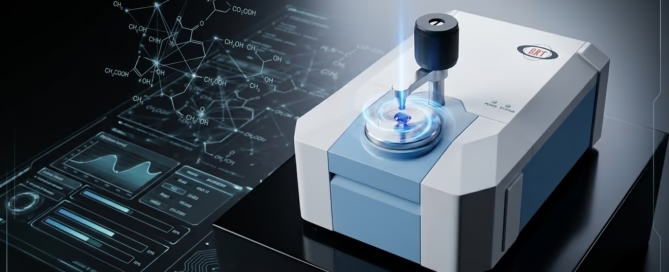
An FTIR spectrometer is used to identify what a material is made of, by measuring how it absorbs mid-infrared light. This guide sets out the eight core uses, from polymer identification and incoming raw-material screening to contaminant analysis, coating verification and forensic fibre work, and explains which sampling mode fits each one. It also covers what FTIR cannot tell you, how transmission and ATR differ in practice, which instrument specifications actually matter for routine identification work, and the mistakes that most often produce an unusable spectrum.
К |2026-10-27T13:39:35+08:00Октябрь 19, 2026|Блог|0 Комментарии

Fire Retardant Coating Testing: Methods and Equipment

Fire retardant coating testing is not one test. It is a family of methods that answer three different questions: whether a protected steel member still holds its fire resistance, how the coating itself behaves when it burns, and whether a formulation passes a fast screening check. This guide sets out the six methods that carry most commercial approvals, including EN 13381-8 for reactive protection to steel, ASTM E119 and ISO 834 furnace work, cone calorimeter and SBI reaction-to-fire routes, and the small-scale tests used before either. It also covers the equipment each route needs, how to read a test report, and the preparation errors that void otherwise good results.

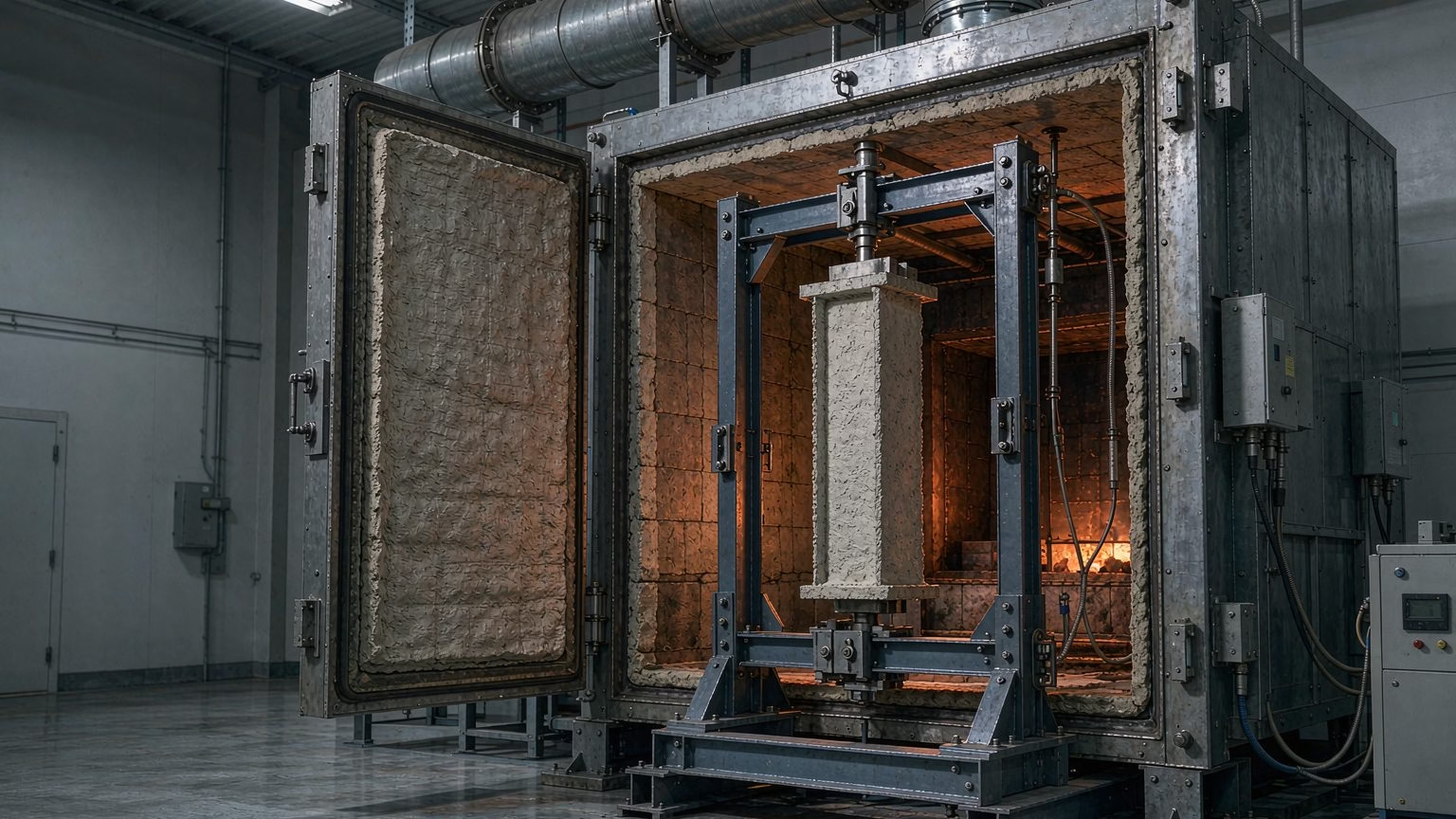
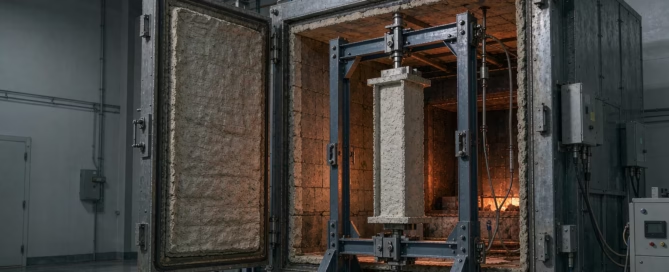
What Is a Fire Resistance Test and Why Is It Important?

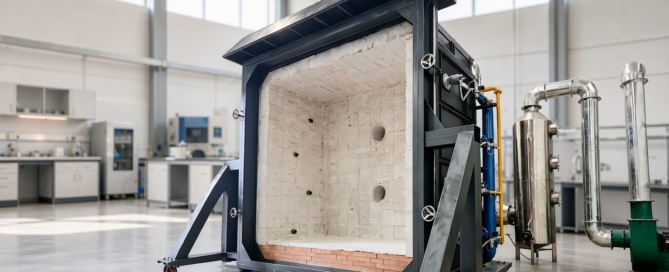
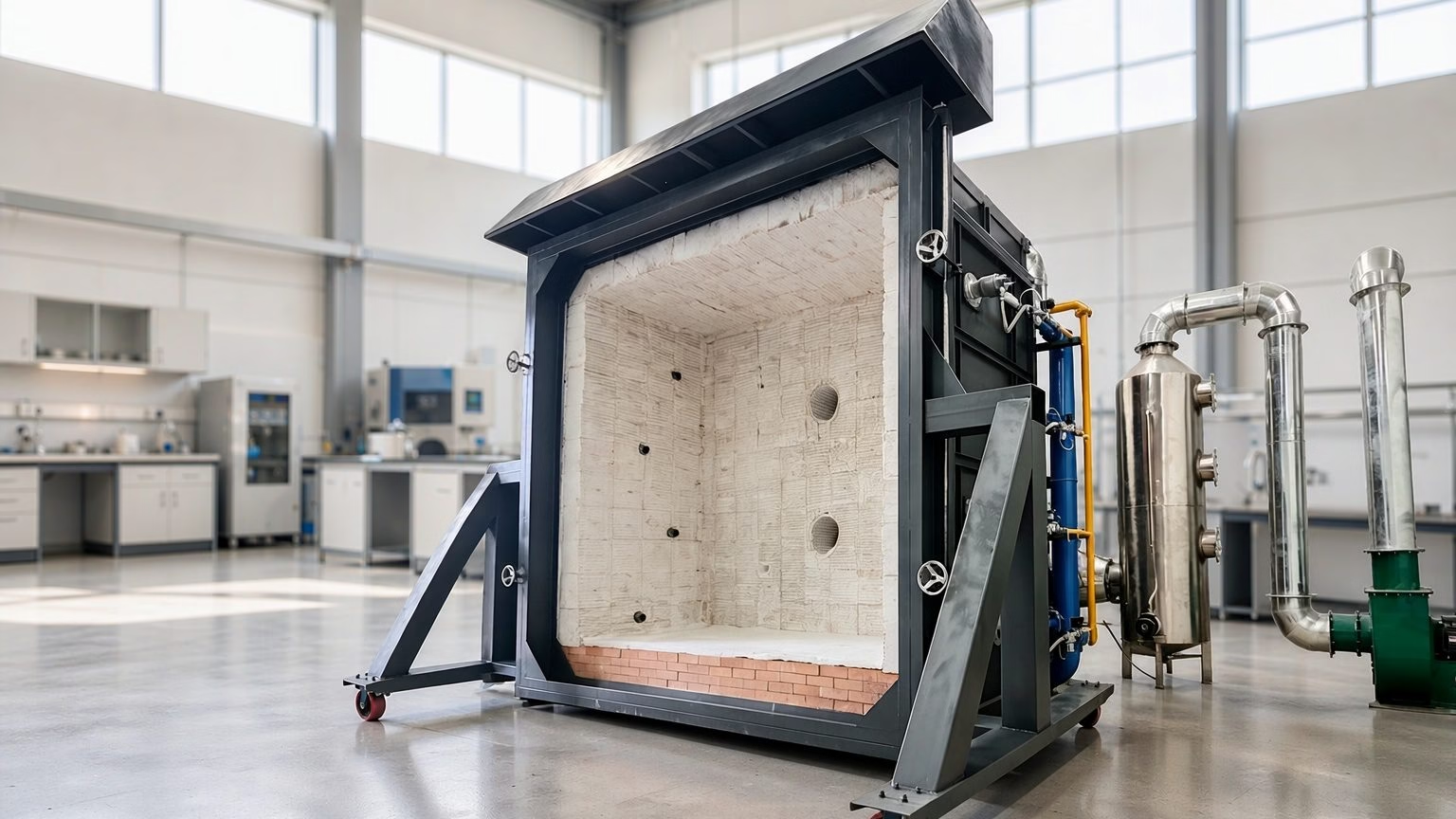
A fire resistance test measures how long a building element keeps doing its job while it is being burned. The element is mounted in a furnace, loaded where it is loadbearing, and heated along a standard time-temperature curve until it fails on loadbearing capacity (Р), честность (Э) or insulation (я). The result is a time rating in minutes, not a pass or fail grade. This guide explains what the test measures, how the three criteria are judged, how fire resistance differs from reaction to fire, which standards cover walls, doors and cables, why ISO 834-1:2025 matters to anyone reading a datasheet, and how to choose a furnace configuration that matches the element you are about to test.

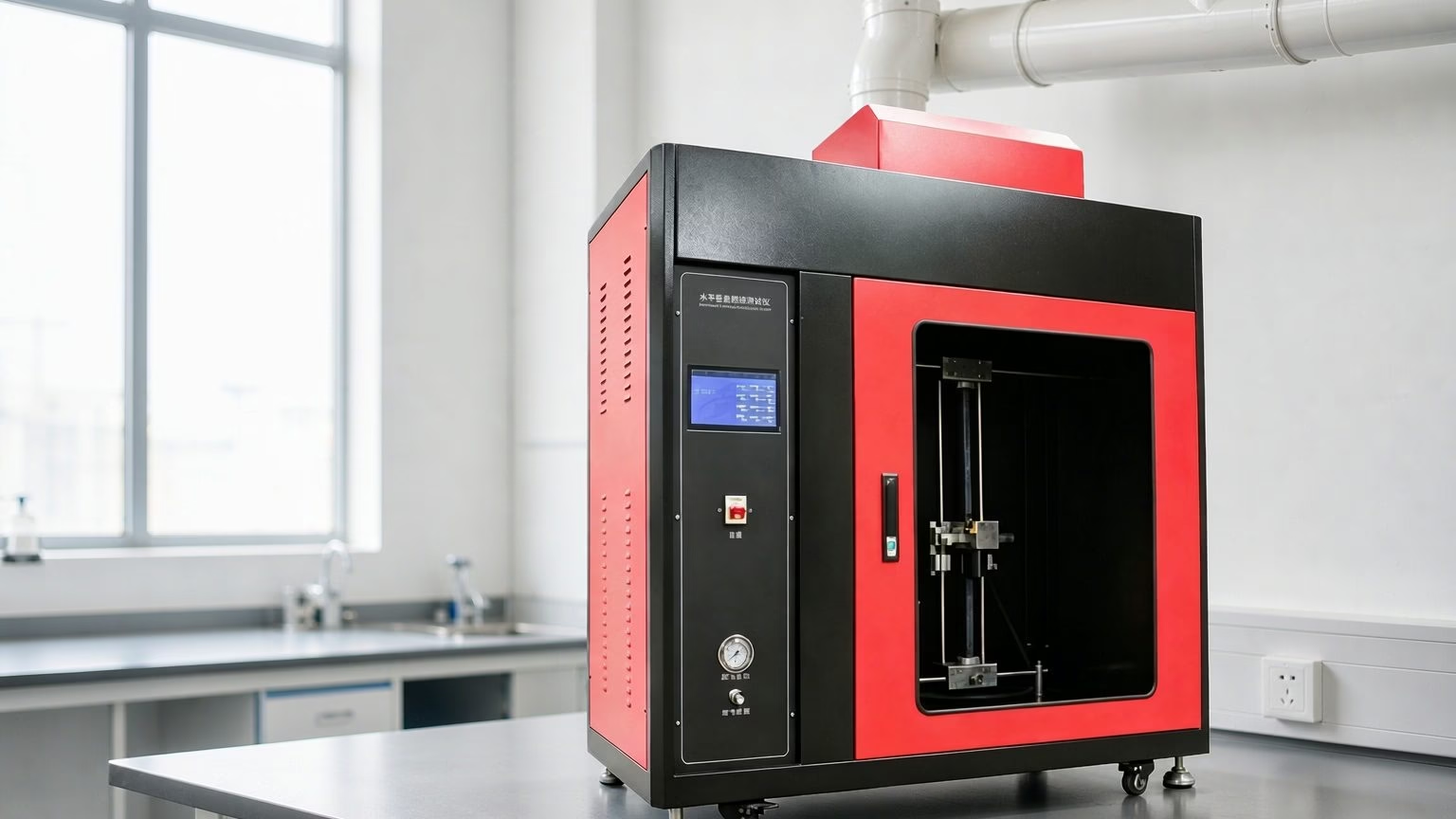
UL 94 Испытание на воспламеняемость: полупансион, В-0, V-1 and V-2 Explained

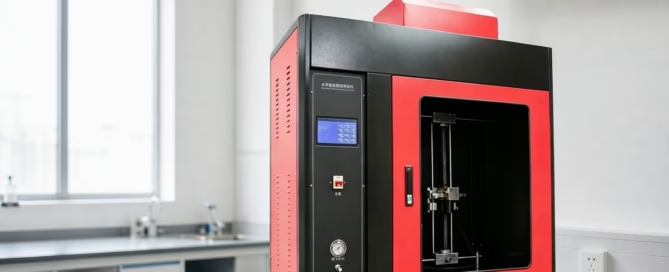
UL 94 flammability testing measures how a plastic behaves when a small flame is applied, and reports the result as one of twelve ratings. The two families most engineers meet are the horizontal HB rating and the vertical V-0, V-1 and V-2 ratings. They are produced by different specimen orientations, different flame applications and different pass criteria, and the only difference between V-1 and V-2 is whether a falling drip ignites the cotton placed below the specimen. This guide sets out the published burn-time, afterglow and dripping criteria for each rating, explains how conditioning and thickness affect the result, and maps UL 94 to its IEC and ASTM equivalents.

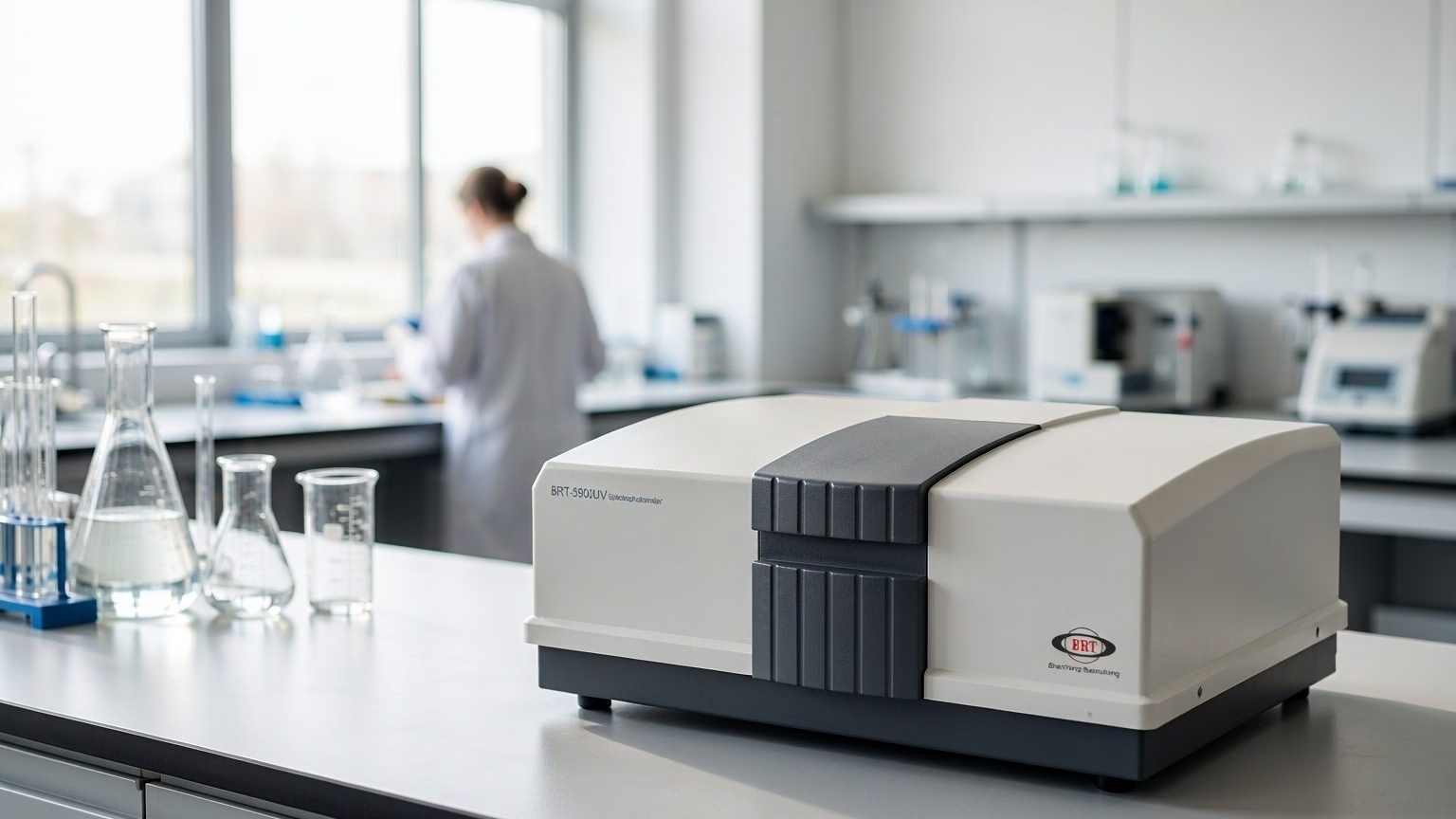
УФ-Вид спектрофотометр: Принцип работы и основные приложения

A UV-Vis spectrophotometer measures how much ultraviolet and visible light a sample absorbs, and at which wavelengths. Light from a deuterium or tungsten lamp passes through a monochromator, through the sample, and onto a detector, where the transmitted intensity is converted into absorbance and then into concentration through the Beer-Lambert law. This guide walks the optical path stage by stage, explains what the UV and visible regions can tell you, maps the main application areas across pharmaceutical, environmental, food and industrial laboratories, sets out the five specifications that decide real work, and shows how the available configurations differ from routine colorimetric benches to research-grade double-beam systems.

К |2026-10-27T13:39:21+08:00Октябрь 16, 2026|Блог|0 Комментарии

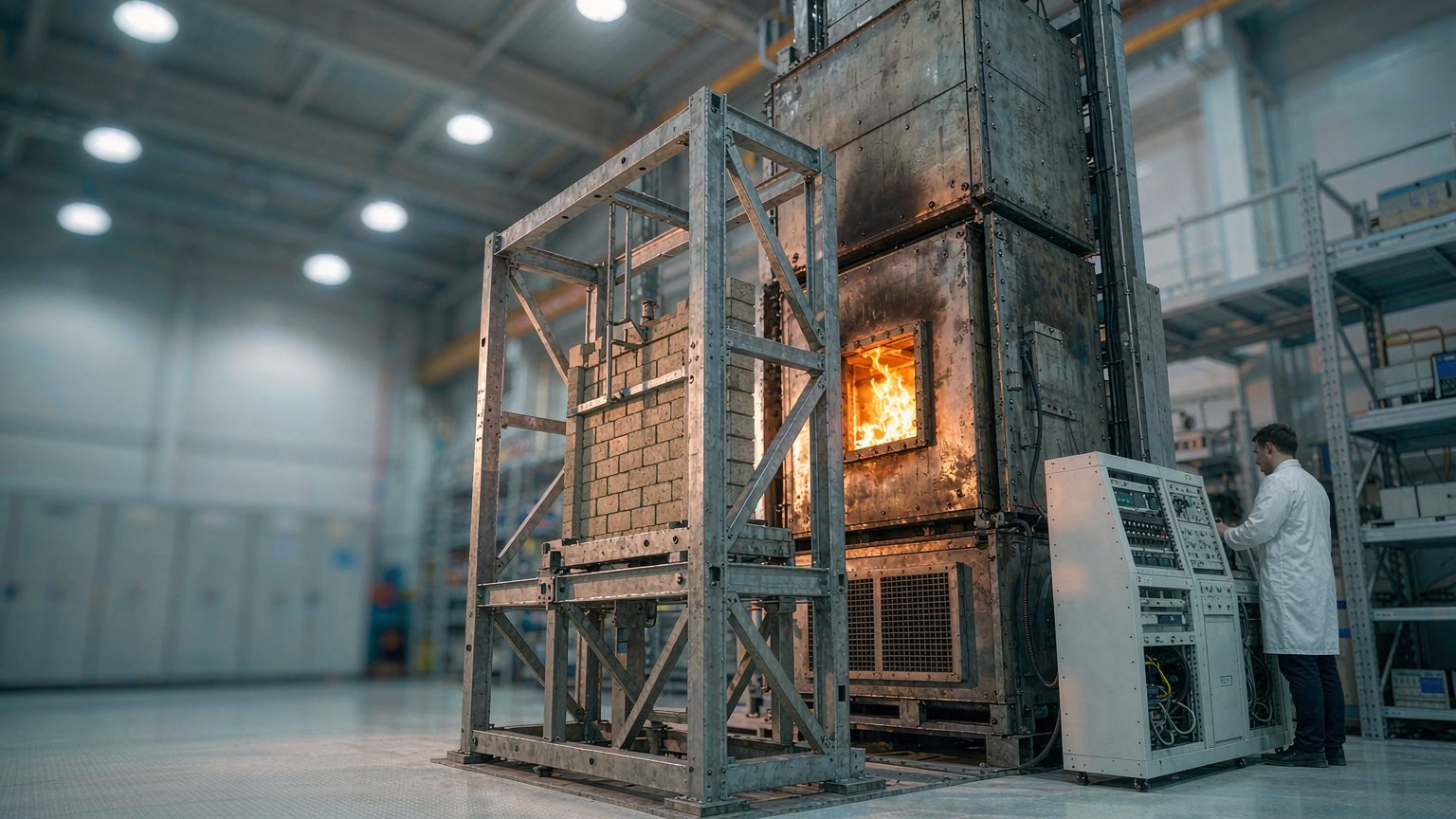
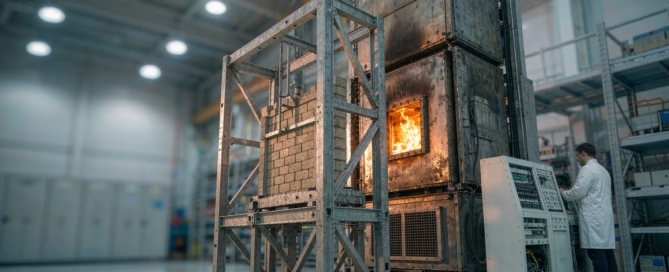
Процедура испытания строительных материалов на огнестойкость

Процедура испытания на огнестойкость представляет собой полномасштабное испытание печи.: an element of construction is built into a restraint frame, loaded if it is loadbearing, нагревается по стандартной кривой время-температура, и контролируется до тех пор, пока он не будет соответствовать одному из трех критериев или не переживет требуемый период воздействия. The three criteria are loadbearing capacity (Р), честность (Э) и изоляция (я). This guide walks the procedure through in the order a laboratory runs it - the standard fire curves, the specimen and conditioning stages, the instrumentation that decides the result, the exact pass and fail thresholds, the element-specific parts of EN 1364, В 1365, В 1634 и RU 13381, and the calibration and direct-application rules that decide how far a single test result can be used.

Non-Combustibility Test (ИСО 1182): Criteria and Apparatus

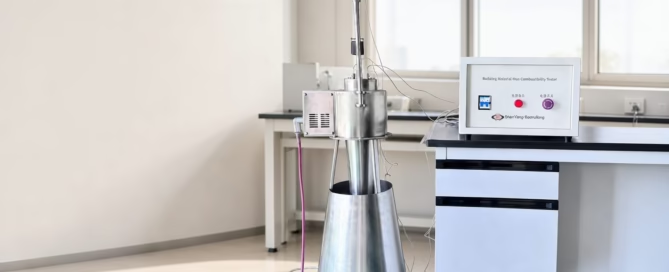
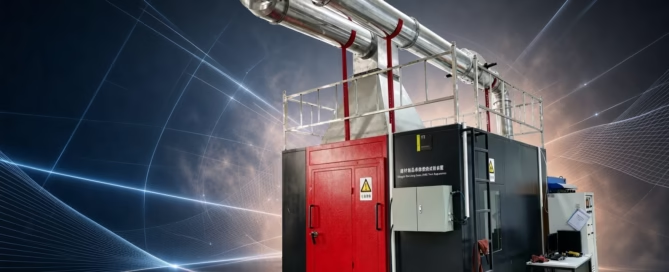
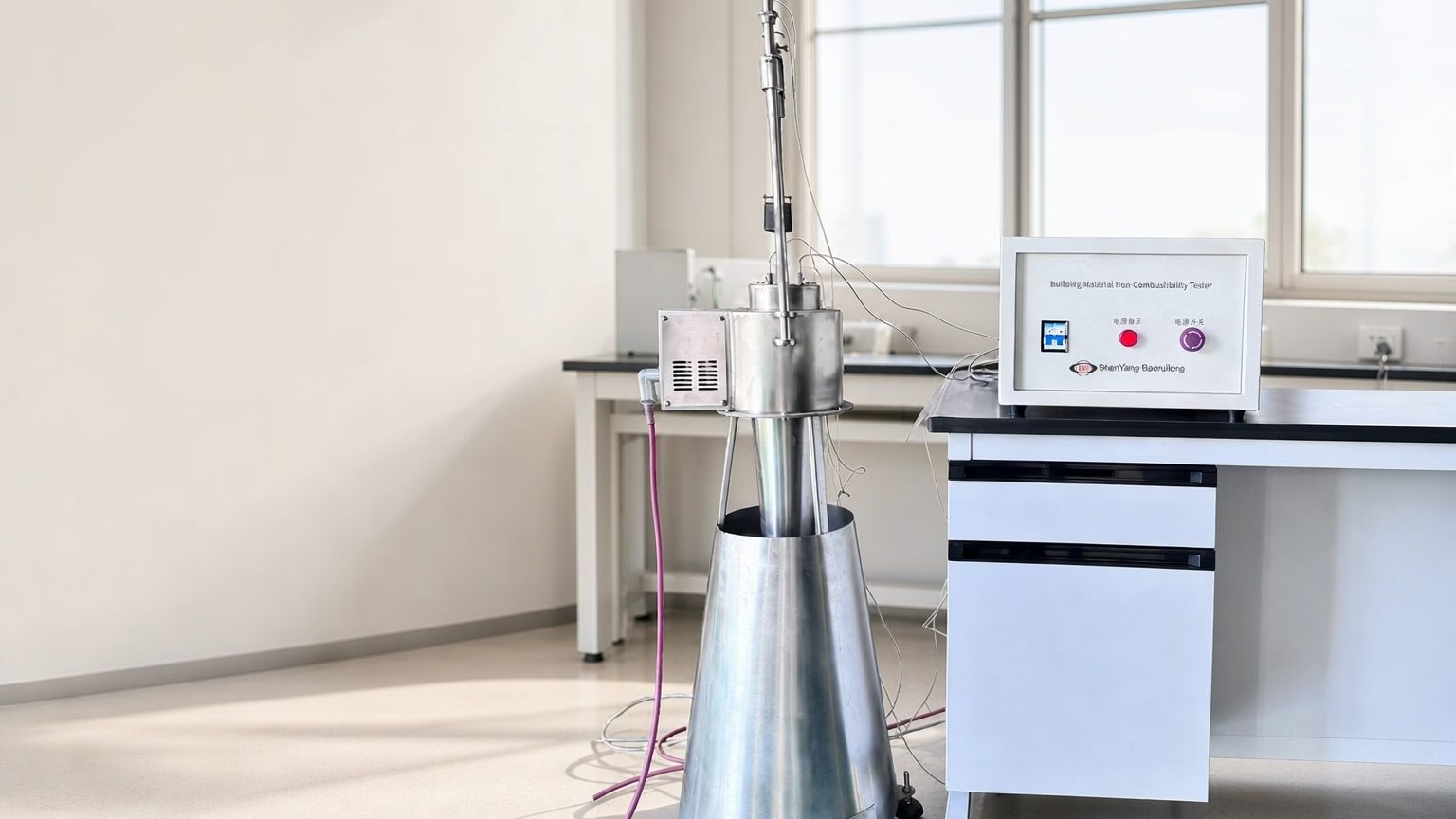
The non-combustibility test decides whether a material can be declared non-combustible at all. This guide covers the 750 C furnace procedure, the pass criteria used in Europe, North America, China and marine work, and how to specify an apparatus that still meets the editions now in force.

Reaction to Fire Testing: The Four Tests Behind EN 13501-1

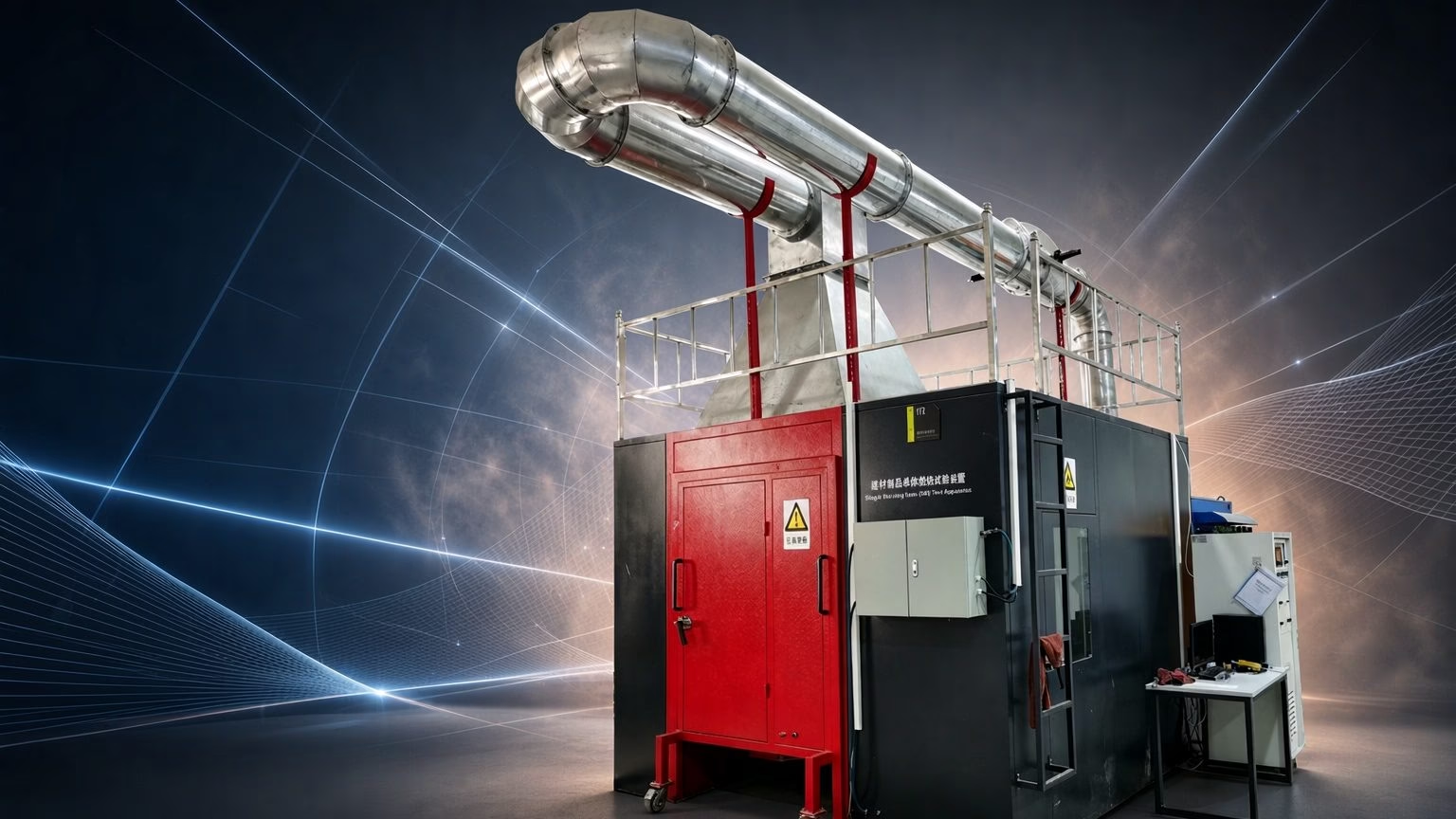
Reaction to fire testing explained: the four EN 13501-1 tests, the class each route needs, and the BRT equipment for EN ISO 1182, 1716, 11925-2 и RU 13823.

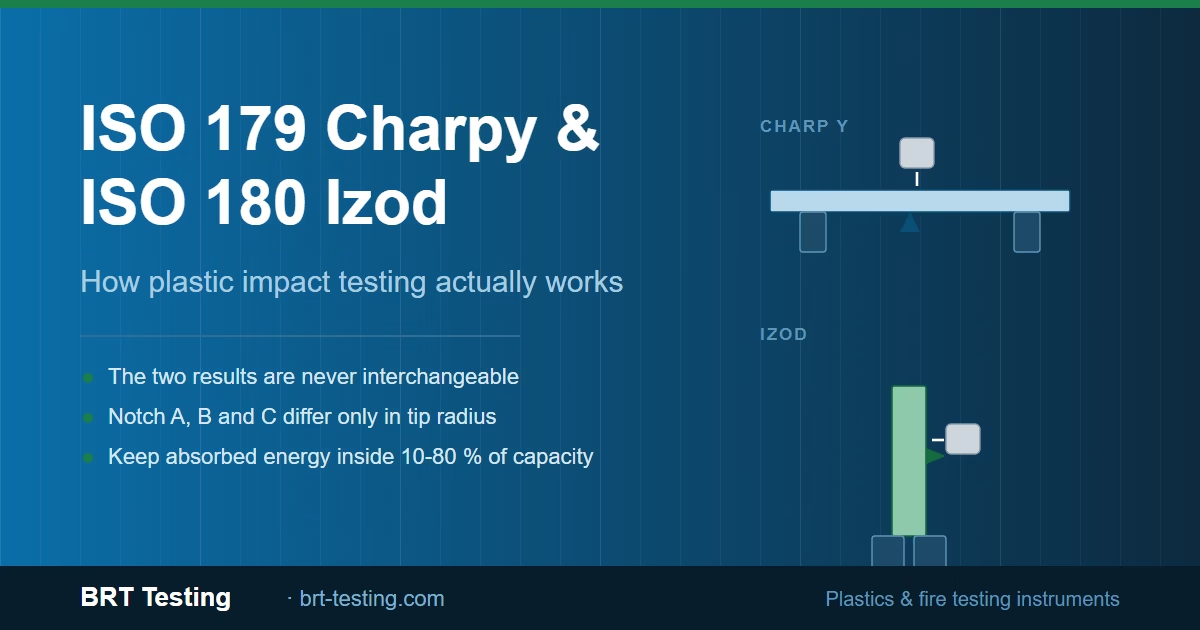
ИСО 179 Charpy and ISO 180 Izod: How Plastic Impact Testing Actually Works

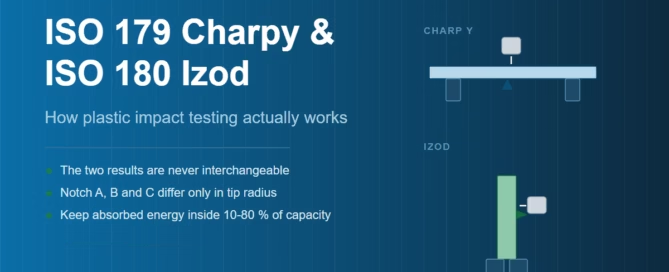
ИСО 179 is the Charpy method for plastics and ISO [...]

FTIR для полимеров & Пластиковая идентификация: Рабочий процесс контроля качества

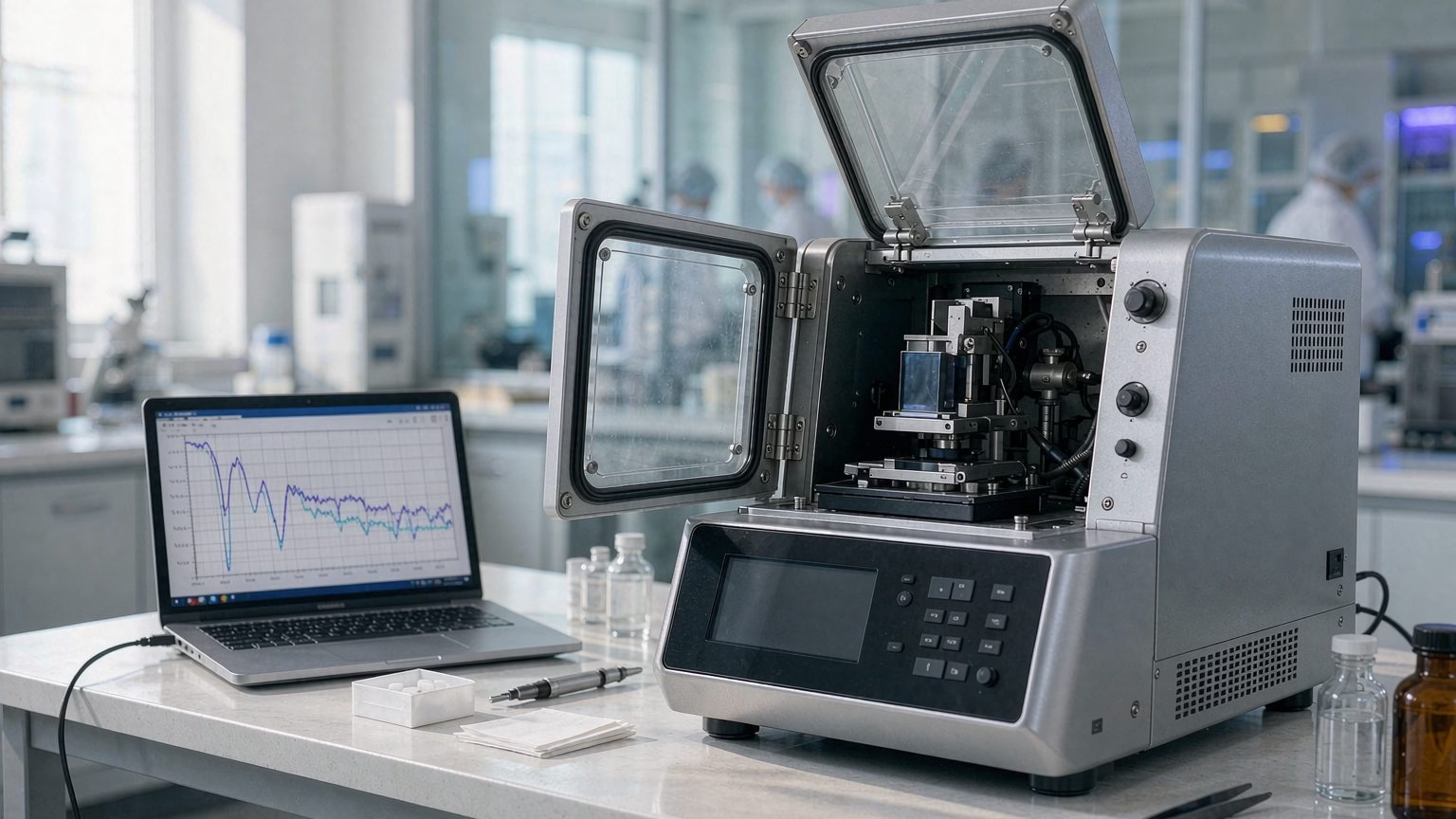
FTIR identifies a polymer in about a minute. What takes [...]

К |2026-10-12T16:57:23+08:00Октябрь 12, 2026|Блог|0 Комментарии
Перейти наверх