Blog

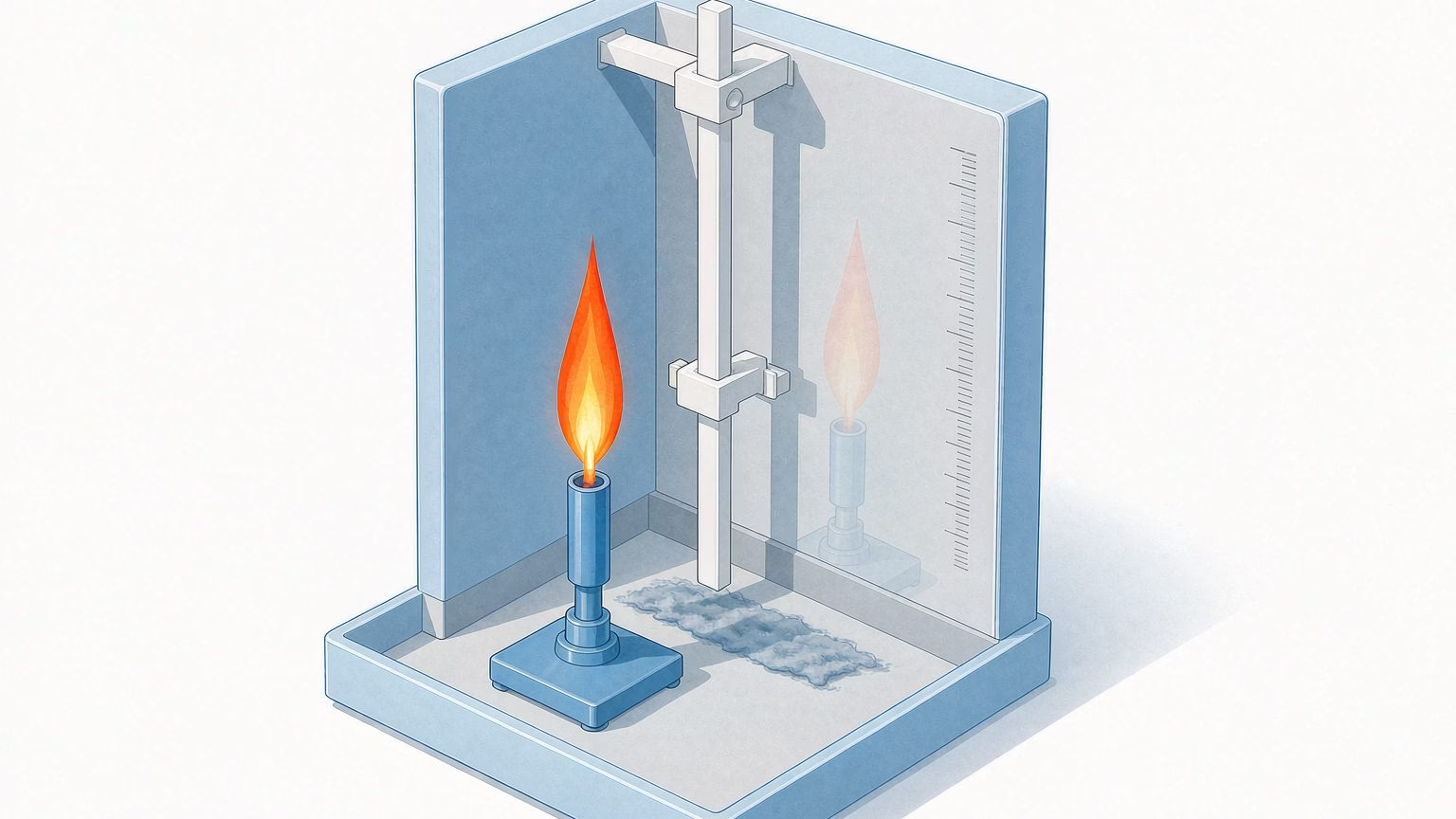
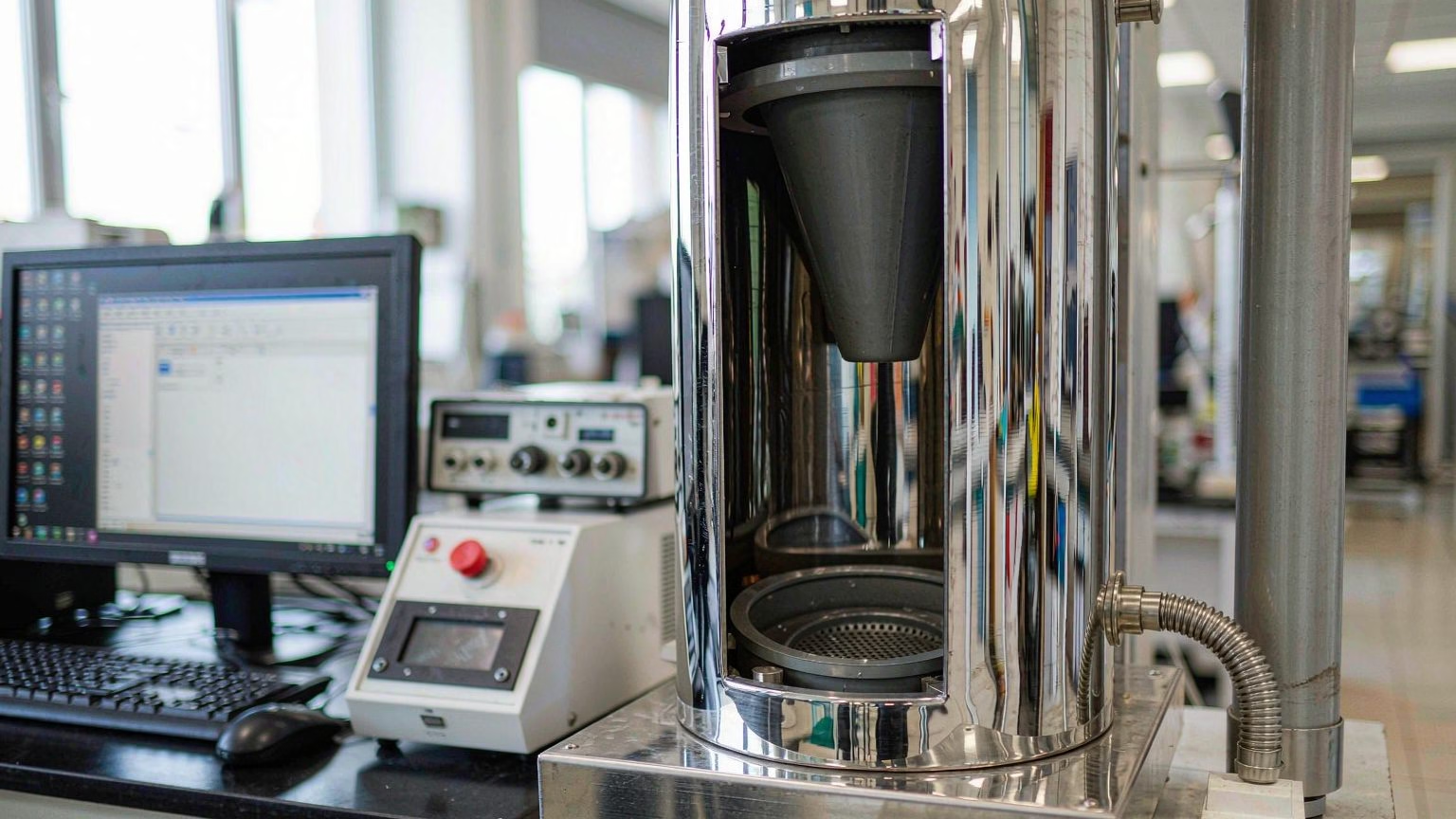
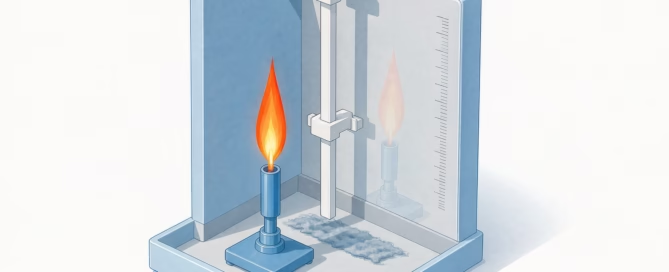
Horizontal vs Vertical Flammability Testing for Plastics

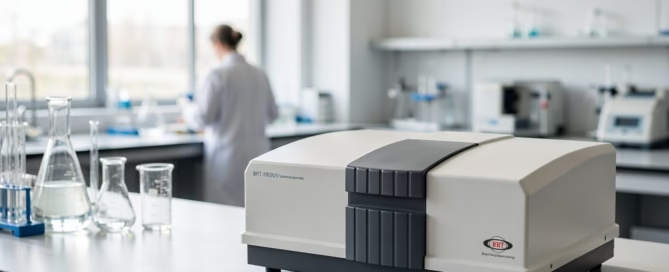
Horizontal and vertical flammability testing for plastics look like the same test turned through ninety degrees. They are not. The orientation changes what the flame can do to the specimen, which property is measured, and which standards apply, so a horizontal result cannot be converted into a vertical one. This guide compares the two set-ups side by side, sets out the standards behind each orientation including ASTM D635, ASTM D3801 and IEC 60695-11-10, explains how thickness, pigment and conditioning move results more than orientation does, and shows how to specify equipment that covers both.
By |2026-10-19T13:43:14+08:00October 19, 2026|Blog|0 Comments

How to Choose a Fire Testing Laboratory Equipment Supplier

Choosing a fire testing laboratory equipment supplier is a decision about evidence, not about brochures. The instrument has to reproduce a published method, the calibration has to be traceable, and the supplier has to still be there when a thermocouple fails during an accreditation audit. This guide sets out the six criteria that predict whether an installation works, how to read a quotation, what to ask an application engineer, and the red flags that appear before a purchase order rather than after it.

By |2026-10-19T13:43:13+08:00October 19, 2026|Blog|0 Comments

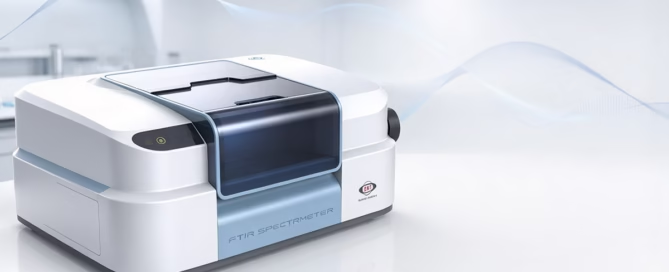
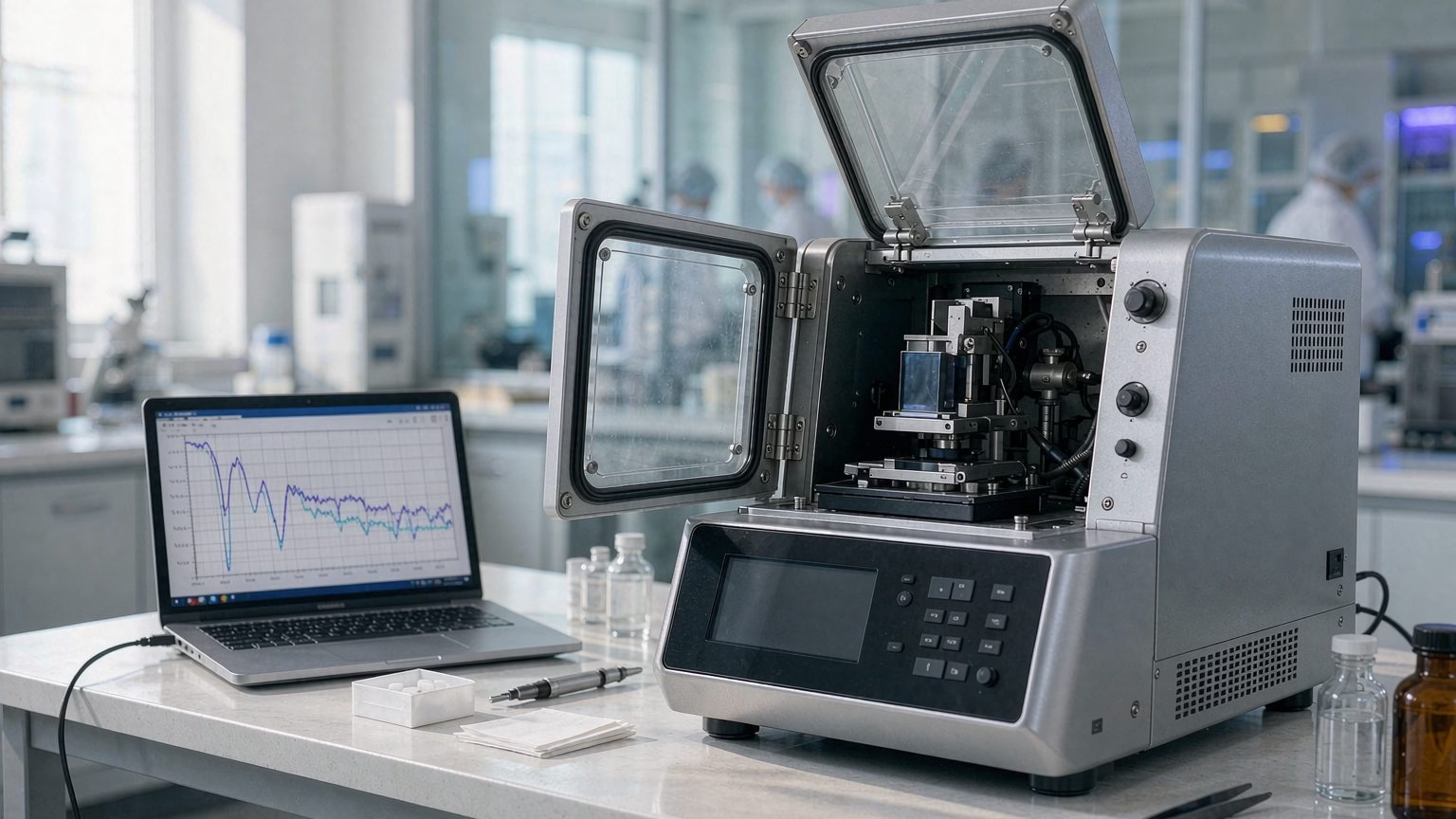
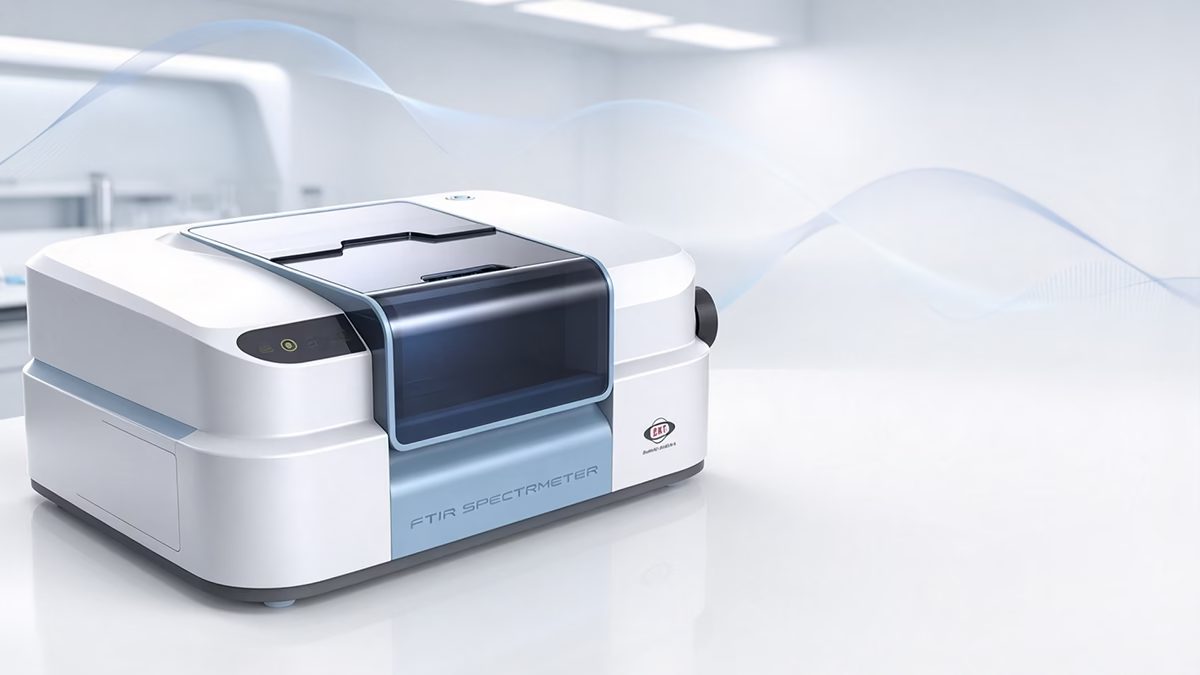
What Is a FTIR Spectrometer Used For? 8 Core Uses

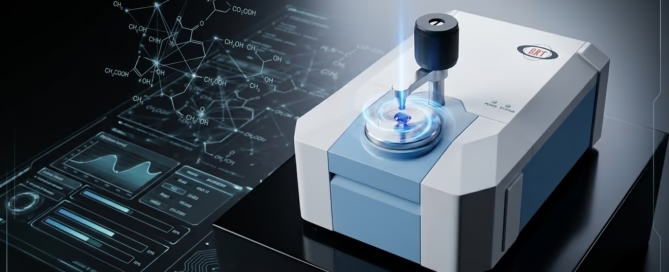
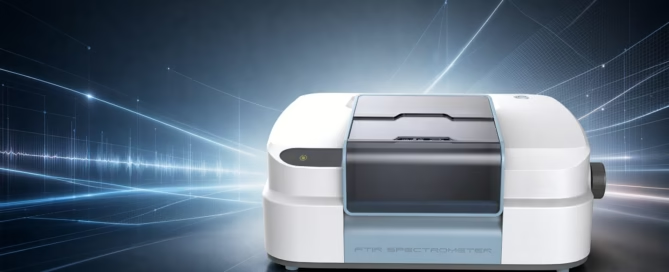
An FTIR spectrometer is used to identify what a material is made of, by measuring how it absorbs mid-infrared light. This guide sets out the eight core uses, from polymer identification and incoming raw-material screening to contaminant analysis, coating verification and forensic fibre work, and explains which sampling mode fits each one. It also covers what FTIR cannot tell you, how transmission and ATR differ in practice, which instrument specifications actually matter for routine identification work, and the mistakes that most often produce an unusable spectrum.

By |2026-10-19T13:43:12+08:00October 19, 2026|Blog|0 Comments

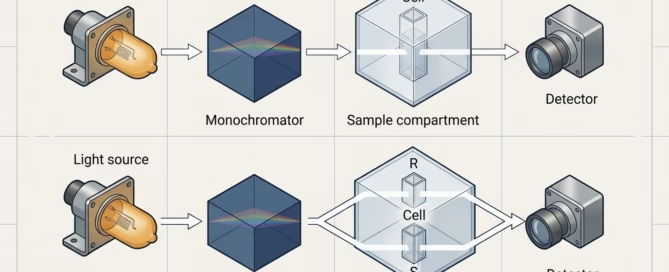
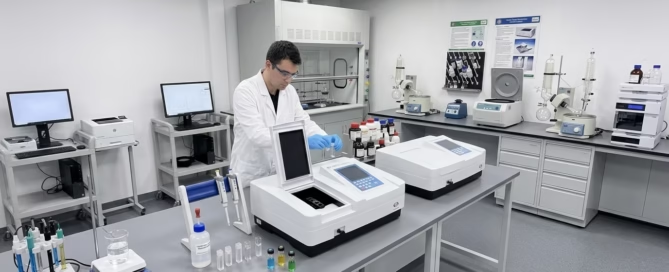
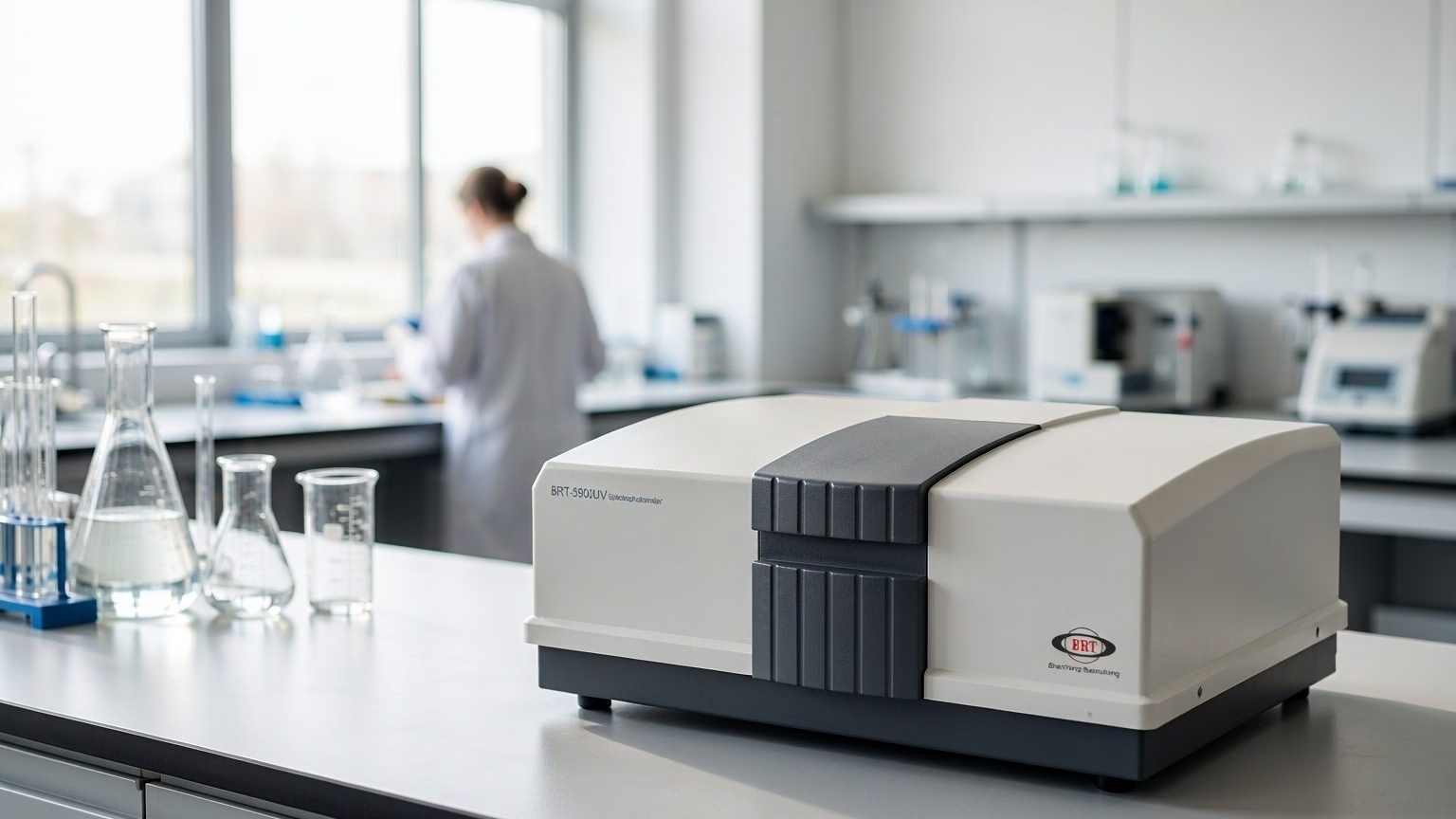
UV-Vis Spectrophotometer: Working Principle and Main Applications

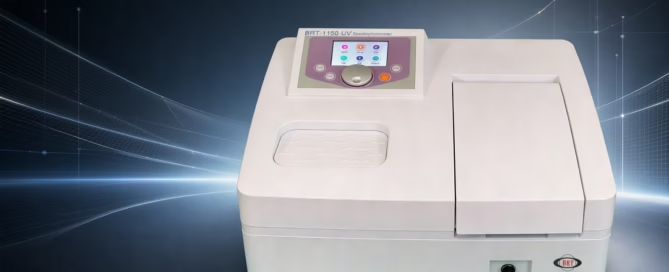
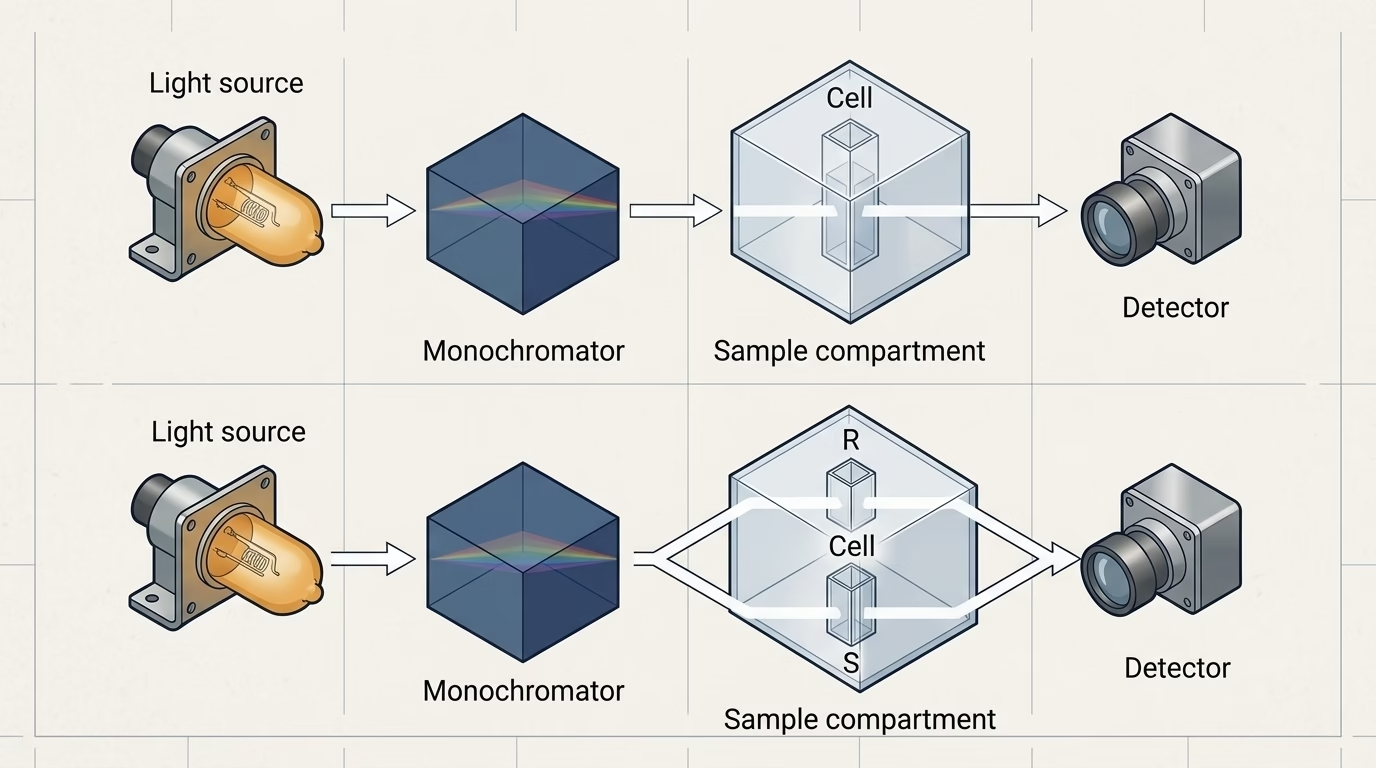
A UV-Vis spectrophotometer measures how much ultraviolet and visible light a sample absorbs, and at which wavelengths. Light from a deuterium or tungsten lamp passes through a monochromator, through the sample, and onto a detector, where the transmitted intensity is converted into absorbance and then into concentration through the Beer-Lambert law. This guide walks the optical path stage by stage, explains what the UV and visible regions can tell you, maps the main application areas across pharmaceutical, environmental, food and industrial laboratories, sets out the five specifications that decide real work, and shows how the available configurations differ from routine colorimetric benches to research-grade double-beam systems.

By |2026-10-16T17:04:20+08:00October 16, 2026|Blog|0 Comments
Go to Top